

Dry skin can feel frustrating, especially when it persists despite using a moisturiser. If your skin constantly feels tight, rough, or looks dull by midday, there is a good chance your skincare routine for dry skin needs a rethink rather than just more product.
This guide walks you through building a routine that actually works for dry skin, from the right cleansing habits to the hydrating steps that make a real difference.
Understanding Why Dry Skin Happens
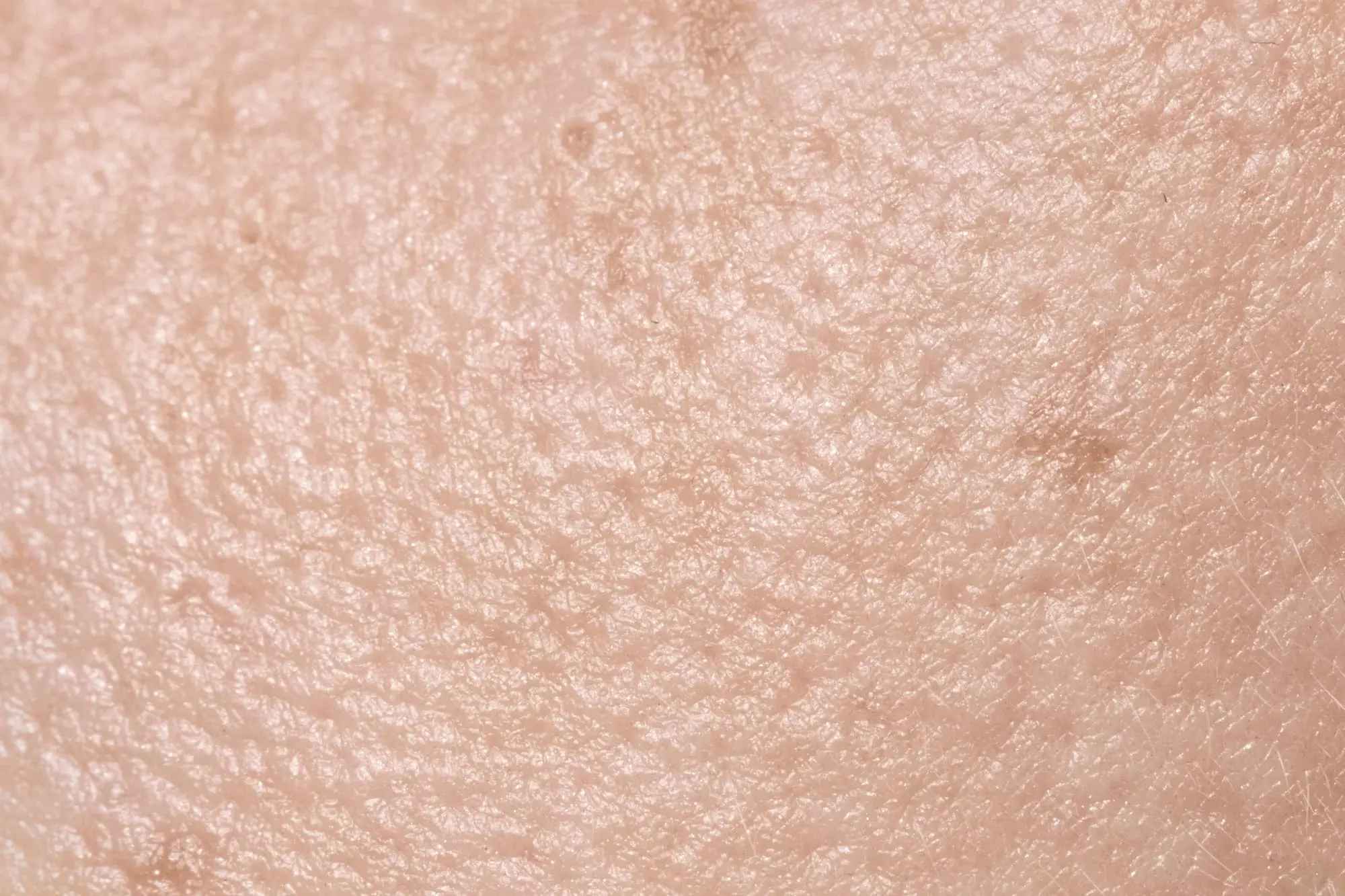
Dry skin occurs when the skin loses water faster than it can retain it. This is largely linked to the health of your skin barrier, the outermost layer that acts as a protective shield. When this barrier is compromised, moisture escapes more easily, leaving skin feeling parched and sometimes flaky.
In Singapore, the constant shift between outdoor humidity and air-conditioned indoor environments puts particular stress on the skin barrier. Many people find their skin becomes noticeably drier during long hours in cooled offices or malls. Understanding this context helps you build a routine that compensates for that moisture loss throughout the day.
Common causes of dry skin include:
- Over-cleansing or using harsh, stripping cleansers
- Hot showers that disrupt the skin lipid layer
- Skipping moisturiser or using one that does not suit your skin type
- A compromised skin barrier from environmental stressors
- Certain skincare actives used too frequently without proper hydration support
Step 1: Start with a Gentle Cleanser

The foundation of any skincare routine for dry skin is a cleanser that removes impurities without stripping natural oils. Foaming cleansers and soaps with high alkalinity can raise the skin pH and disrupt the moisture balance. Look instead for cream or gel cleansers that are formulated for sensitive or dry skin types.
Cleanse once in the morning and once at night. In the morning, some people with very dry skin prefer to simply rinse with water and skip the cleanser entirely, as there is minimal dirt to remove from sleep. Listen to how your skin responds and adjust accordingly.
What to look for in a cleanser for dry skin
Choose a cleanser that:
- Is soap-free and pH-balanced
- Does not leave skin feeling tight after rinsing
- Is fragrance-free to reduce the risk of irritation
- Contains hydrating agents like glycerin or hyaluronic acid
Step 2: Use a Hydrating Toner
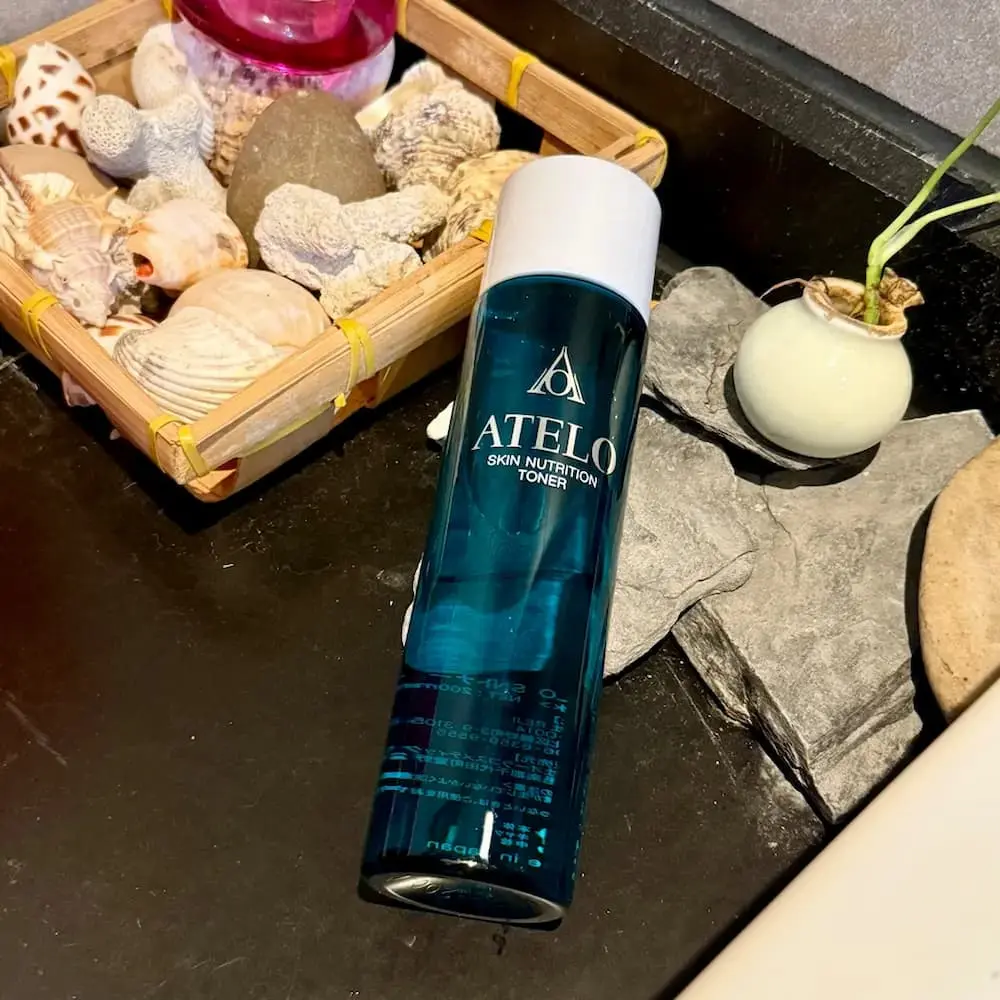
Many people skip toner, thinking it is optional. For dry skin, it is one of the most valuable steps in the routine. A good hydrating toner preps the skin to receive moisture, replenishes initial hydration right after cleansing, and helps subsequent products absorb more effectively.
Avoid alcohol-based toners, which are drying and irritating. Instead, look for water-based formulas that contain soothing, nourishing ingredients. Apply with clean hands rather than a cotton pad to minimise unnecessary friction and product waste.
The Atelo Skin Nutrition Toner is designed to do exactly this. It conditions the skin after cleansing and supports better absorption of the steps that follow, making it particularly useful for dry skin types that need every layer to work harder.
Step 3: Layer Hydrating Serums or Essences

After toning, this is the step where you can deliver concentrated hydration. Serums and essences are lightweight, water-based products that penetrate deeper into the skin to deliver active ingredients efficiently.
For dry skin, look for serums containing:
- Hyaluronic acid, which draws water into the skin
- Panthenol (vitamin B5), which helps skin retain moisture
- Niacinamide, which supports barrier function
- Atelocollagen, which can help maintain the skin structure and reduce the appearance of dryness over time
Apply your serum on slightly damp skin, as this improves the uptake of water-attracting ingredients like hyaluronic acid.
Step 4: Apply a Moisturiser That Works for Dry Skin
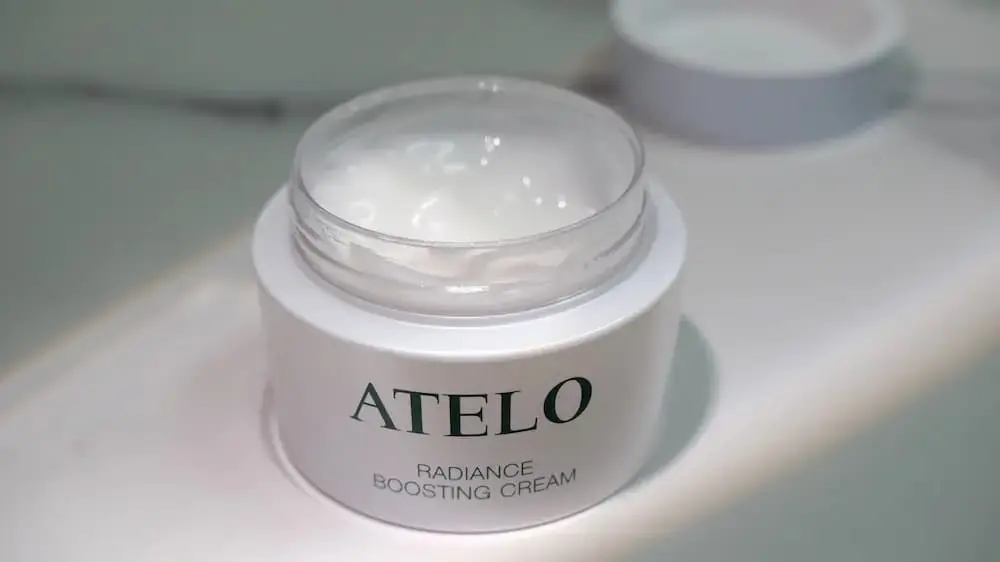
Moisturising is non-negotiable for dry skin, and the type of moisturiser matters as much as applying it. Dry skin benefits from richer, cream-based formulas that provide both humectant (water-attracting) and occlusive (water-sealing) properties.
A good moisturiser for dry skin should:
- Be applied while the skin is still slightly damp after serum
- Create a comfortable, non-greasy protective layer
- Be free from fragrance and heavy alcohols
- Contain skin-supporting ingredients that improve appearance over time
The Atelo Radiance Boosting Cream is formulated to support elasticity and surface luminosity, with ingredients designed to help skin look smoother and more even. For dry skin, using it morning and night can help reinforce that protective layer the skin needs.
Step 5: Do Not Skip SPF in the Morning

This step is often missing from dry skin routines. Sun exposure accelerates moisture loss and damages the skin barrier over time. A broad-spectrum SPF 30 or higher should be the last step in your morning routine every single day, regardless of the weather.
Look for SPF products with a lightweight, hydrating finish rather than ones that leave a white cast or feel heavy. Mineral sunscreens with zinc oxide or titanium dioxide are generally gentler on sensitive and dry skin types.
Building Your Evening Routine for Dry Skin

The evening routine is where deeper repair happens. Your skin goes into renewal mode overnight, so this is the right time to use richer, more nourishing formulas.
Evening routine steps for dry skin
- Double cleanse if you wore SPF or makeup during the day
- Apply a hydrating toner to reset the skin after cleansing
- Use a targeted serum for your specific concerns
- Finish with a richer cream to seal in moisture overnight
- Consider a sleeping mask once or twice a week for intensive hydration
Weekly Treatments to Boost Hydration
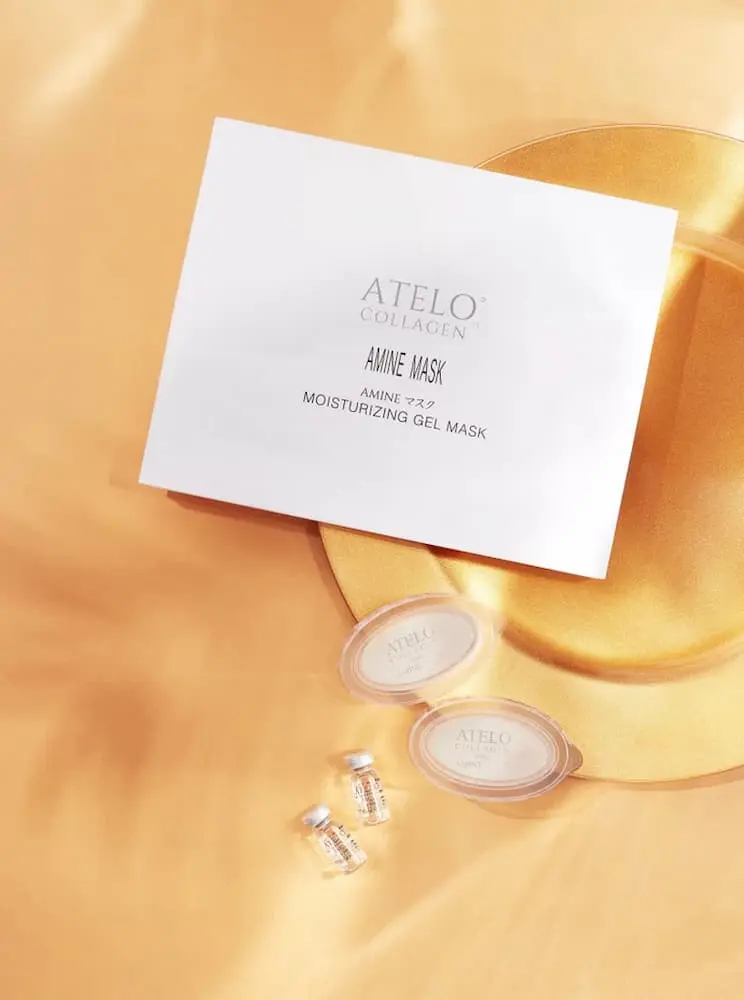
Beyond your daily routine, adding one or two targeted weekly treatments can make a visible difference for dry skin.
Mask treatments
Hydrating sheet masks or treatment masks deliver a concentrated dose of moisture in a short amount of time. They are particularly useful after a long week or when your skin feels especially depleted. The Atelo Amine Mask provides a 15-minute concentrated reset that helps skin appear smoother and more refreshed, which can be a useful addition to a dry skin routine once or twice a week.
Gentle exfoliation
Exfoliation helps remove the build-up of dead skin cells that can make dry skin look dull and uneven. However, dry skin should not be over-exfoliated. Using a gentle chemical exfoliant (such as lactic acid) once a week is usually sufficient.
Avoid physical scrubs with rough particles, which can cause micro-tears in already vulnerable skin.
Common Mistakes People Make with Dry Skin

Even with the right products, a few habits can undermine your routine. Here are the most common ones:
Applying moisturiser to dry skin
Always apply your moisturiser when the skin is still slightly damp. This helps the product seal in the moisture that is already there rather than trying to add it from scratch.
Using too many actives at once
Retinol, exfoliating acids, and other potent actives can be valuable for certain concerns, but using too many at once on dry skin can worsen the barrier damage. Introduce one new active at a time and always pair it with strong hydration support.
Neglecting the neck and chest
The skin on your neck and chest is thinner and often drier than your face. Extend your routine downwards to keep this area hydrated too.
How Long Before You See Results?

A consistent skincare routine for dry skin typically takes four to six weeks to show meaningful improvement. Skin cell turnover happens roughly on a four-week cycle, so you need at least one full cycle before you can fairly evaluate whether a routine is working. In the short term, well-formulated hydrating products should make your skin feel more comfortable within a few days.
Track how your skin feels throughout the day. If tightness returns quickly after moisturising, you may need to add a layer of hydration or switch to a richer formula. If your skin feels comfortable for most of the day, you are on the right track.
Final Thoughts on Skincare Routines for Dry Skin
Building an effective skincare routine for dry skin is about more than finding the right moisturiser. It requires a layered approach that cleanses gently, replenishes hydration at every step, and protects the skin barrier from further damage. The environment in Singapore makes consistency particularly important, as the skin faces a wide range of conditions throughout the day.
Start simple, add steps gradually, and give each routine at least four weeks before judging results. With the right foundation in place, dry skin can genuinely improve in look and feel over time.
Frequently Asked Questions (FAQs)
What is the best skincare routine for dry skin?
The best skincare routine for dry skin follows a layered approach: cleanse with a gentle, pH-balanced cleanser, apply a hydrating toner, follow with a humectant-rich serum (look for hyaluronic acid or panthenol), seal with a cream-based moisturiser, and finish with SPF in the morning. In the evening, swap SPF for a richer night cream or sleeping mask to support overnight repair.
Why does my skin still feel dry even after moisturising?
If your skin still feels dry after moisturising, it could be because you are applying moisturiser to completely dry skin rather than damp skin, using a formula too lightweight for your skin type, over-cleansing with a stripping cleanser, or having a compromised skin barrier that cannot retain moisture effectively. Switching to a richer cream and applying it immediately after your serum on slightly damp skin can make a significant difference.
How long does it take for a skincare routine to work on dry skin?
A skincare routine for dry skin typically takes four to six weeks to show meaningful improvement. This aligns with the skin’s natural cell turnover cycle, which occurs roughly every four weeks. You may notice your skin feels more comfortable within a few days of using well-formulated hydrating products, but visible texture and tone improvements take at least one full skin cycle to evaluate fairly.
Is toner necessary for dry skin?
Yes, toner is especially beneficial for dry skin. A hydrating toner replenishes initial moisture right after cleansing, preps the skin to absorb subsequent products more effectively, and helps restore the skin’s surface condition. Choose water-based, alcohol-free formulas with soothing ingredients and avoid astringent toners, which can worsen dryness and irritation.
What skincare ingredients are best for dry skin?
The most effective skincare ingredients for dry skin include hyaluronic acid (draws moisture into the skin), panthenol or vitamin B5 (helps skin retain hydration), niacinamide (strengthens the skin barrier), glycerin (a gentle humectant found in cleansers and toners), and atelocollagen (supports skin structure and reduces the appearance of dryness over time). Look for these in your toner, serum, and moisturiser for the most impact.