
Not all hydrating skincare ingredients work in the same way. Some attract water to the skin surface, some help the skin hold onto that water, and some repair the barrier that keeps moisture from escaping. Understanding the differences between skincare ingredients for hydration helps you choose products and build routines that actually keep skin comfortable and healthy-looking over time.
This guide covers the most effective hydrating ingredients, how each works, and when to use them.
Hyaluronic Acid
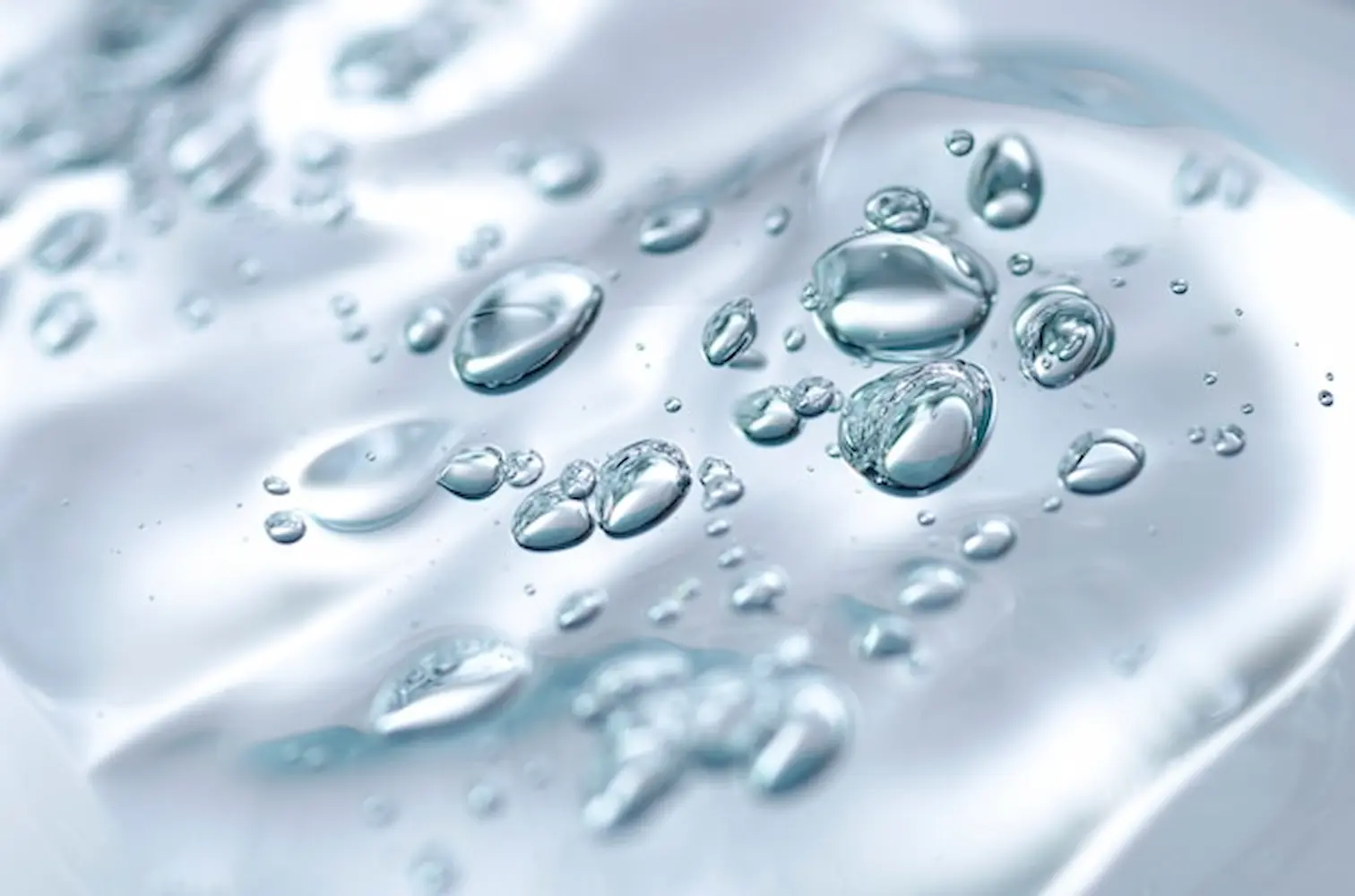
Hyaluronic acid is arguably the most well-known hydrating ingredient in skincare, and for good reason. It is a naturally occurring molecule in the body that can hold up to 1,000 times its weight in water, drawing moisture from the environment and from deeper skin layers to the surface.
It comes in different molecular weights. High molecular weight hyaluronic acid sits on the surface and provides immediate softness. Low molecular weight versions penetrate further and deliver deeper hydration. Many well-formulated products include a mix of both.
How to use it
Apply hyaluronic acid on slightly damp skin, as it works best when there is existing moisture to attract. Always seal it in with a moisturiser, as in low-humidity environments can pull moisture from the skin rather than the environment if left unsealed.
Glycerin
Glycerin is one of the most effective and underrated hydrating ingredients available. It is a humectant, meaning it draws water into the skin, and it is exceptionally well-tolerated even by sensitive skin types.
Unlike hyaluronic acid, glycerin is smaller in molecular size and can penetrate the upper layers of the skin more readily. It also has some emollient properties, helping to smooth the skin surface.
You will find glycerin in a wide range of products, including cleansers, toners, serums, and moisturisers. It is one of the most reliable hydrating ingredients available, and its gentle nature makes it suitable for year-round use.
Atelocollagen
Atelocollagen is a highly purified form of collagen derived through a process that removes the telopeptide components that can trigger an immune response. The result is a collagen molecule that is much better tolerated by the skin and less likely to cause irritation.
Atelocollagen is central to the Atelo skincare approach. It helps support the appearance of skin structure and contributes to a firmer, smoother-looking surface. While it works differently from humectants like glycerin, its role in maintaining skin quality supports overall hydration by helping the skin hold its structural integrity, which in turn supports barrier function.
It is particularly relevant for people whose skin is showing early signs of reduced firmness or elasticity, where hydration alone is not quite addressing the full picture.
Panthenol (Vitamin B5)
Panthenol is a provitamin of B5 that the body converts into pantothenic acid, which plays a role in skin cell metabolism. In skincare, it functions as both a humectant and an emollient, helping skin attract moisture and stay soft.
What makes panthenol particularly valuable is its ability to support skin healing and reduce redness. It is a good choice for skin that is both dry and reactive, as it helps address both concerns simultaneously. It is also well-tolerated and rarely causes sensitivities.
Ceramides
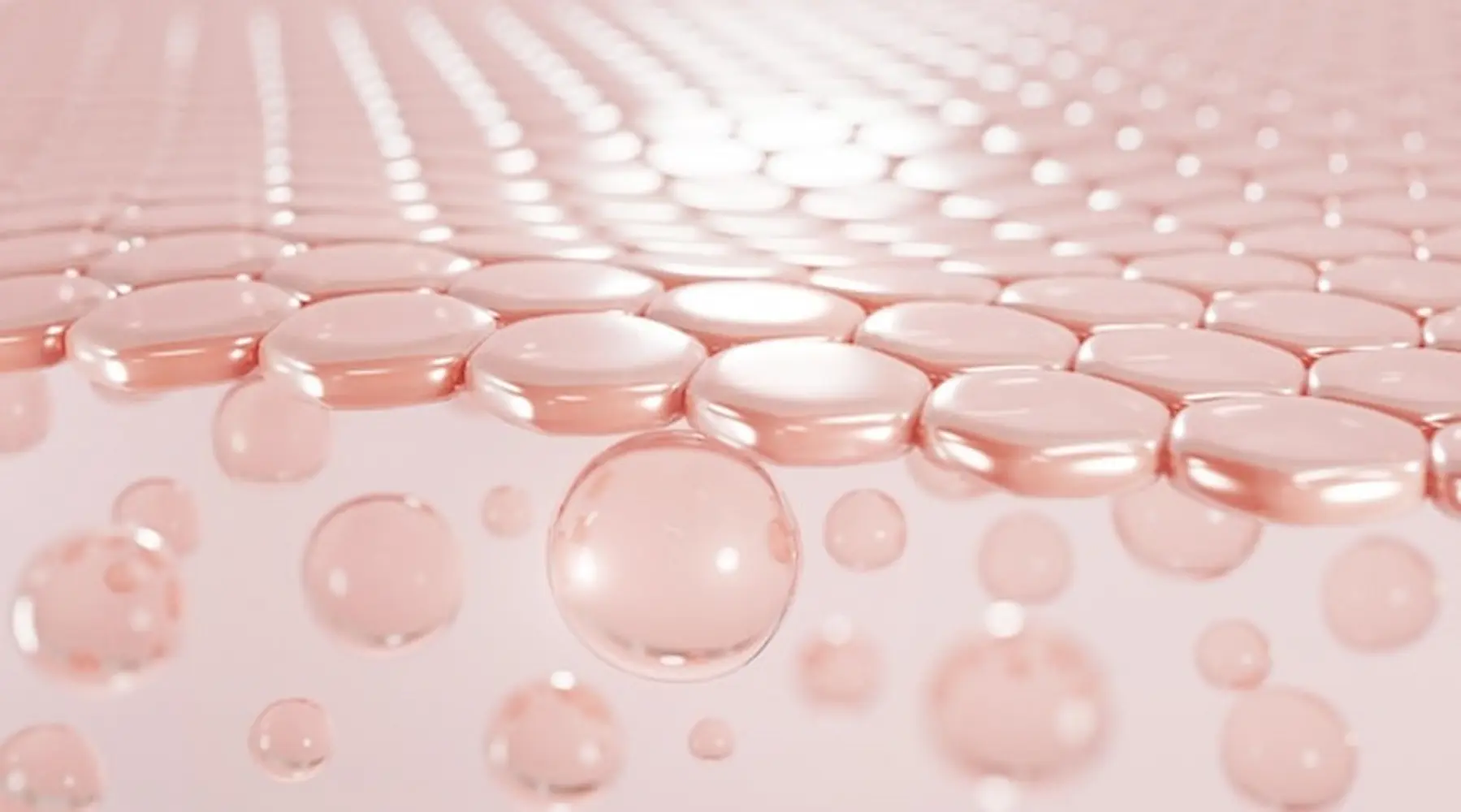
Ceramides are lipids that form a key part of the skin barrier structure. They account for a significant portion of the lipid matrix that holds skin cells together and prevents water from escaping.
When ceramide levels are low, the skin barrier weakens and moisture loss increases. Skincare products containing ceramides help replenish this barrier, improving the skin’s ability to retain hydration rather than simply adding moisture to the surface.
Ceramides are especially useful for people with dry skin, eczema-prone skin, or skin that has been over-exfoliated or irritated. They are most effective when used in a moisturiser as part of the routine rather than in a lighter serum.
Rice Ferment Filtrate
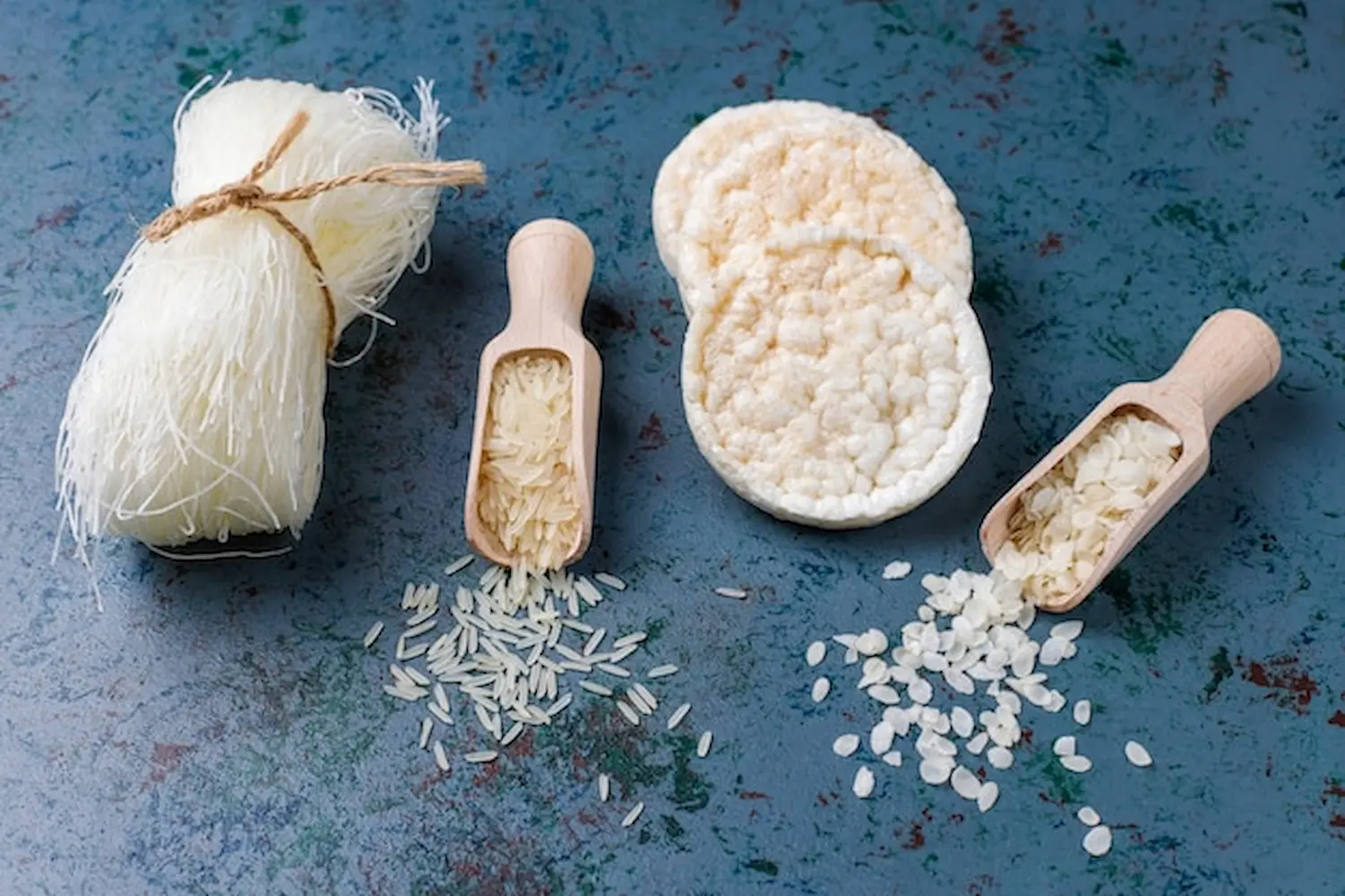
Rice ferment filtrate, sometimes called Saccharomyces ferment filtrate from rice, is a fermented ingredient that delivers amino acids, vitamins, and minerals to the skin. It has been used in traditional Asian skincare for generations and is now understood to support the skin’s moisture balance and microbiome.
Atelo includes rice ferment filtrate in its formulations for its ability to hydrate, soothe, and support the skin’s natural balance. For people with dry skin that also tends towards sensitivity or uneven texture, this ingredient offers a gentle and effective hydrating option.
Niacinamide
Niacinamide, also known as vitamin B3, is a multi-functional ingredient that is often associated with pore appearance and oil balance. However, it also plays an important role in skin hydration. Niacinamide helps the skin produce more ceramides, fatty acids, and natural moisturising factors (NMFs), all of which support the barrier and improve moisture retention.
It is also well-tolerated, making it a useful addition to hydration-focused routines without the risk of sensitisation that some other actives carry.
Sodium PCA
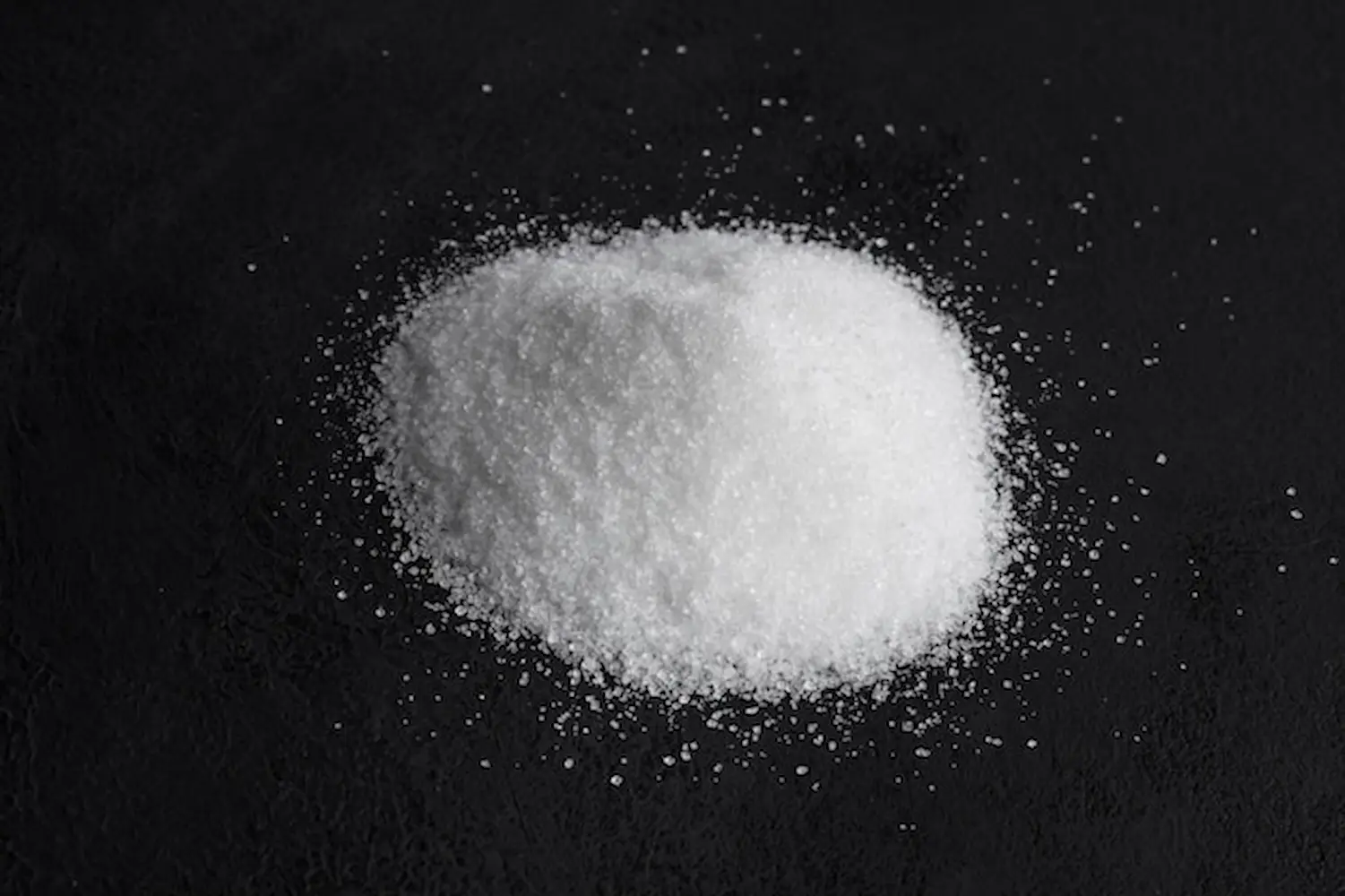
Sodium PCA is one of the components of the skin’s natural moisturising factor (NMF), a group of water-soluble compounds found naturally in the outer layers of the skin. It is a powerful humectant and helps maintain the skin’s own hydration mechanisms.
It is less commonly marketed than hyaluronic acid but is equally effective for keeping skin hydrated and comfortable. You will find it in well-formulated toners, essences, and moisturisers.
Squalane
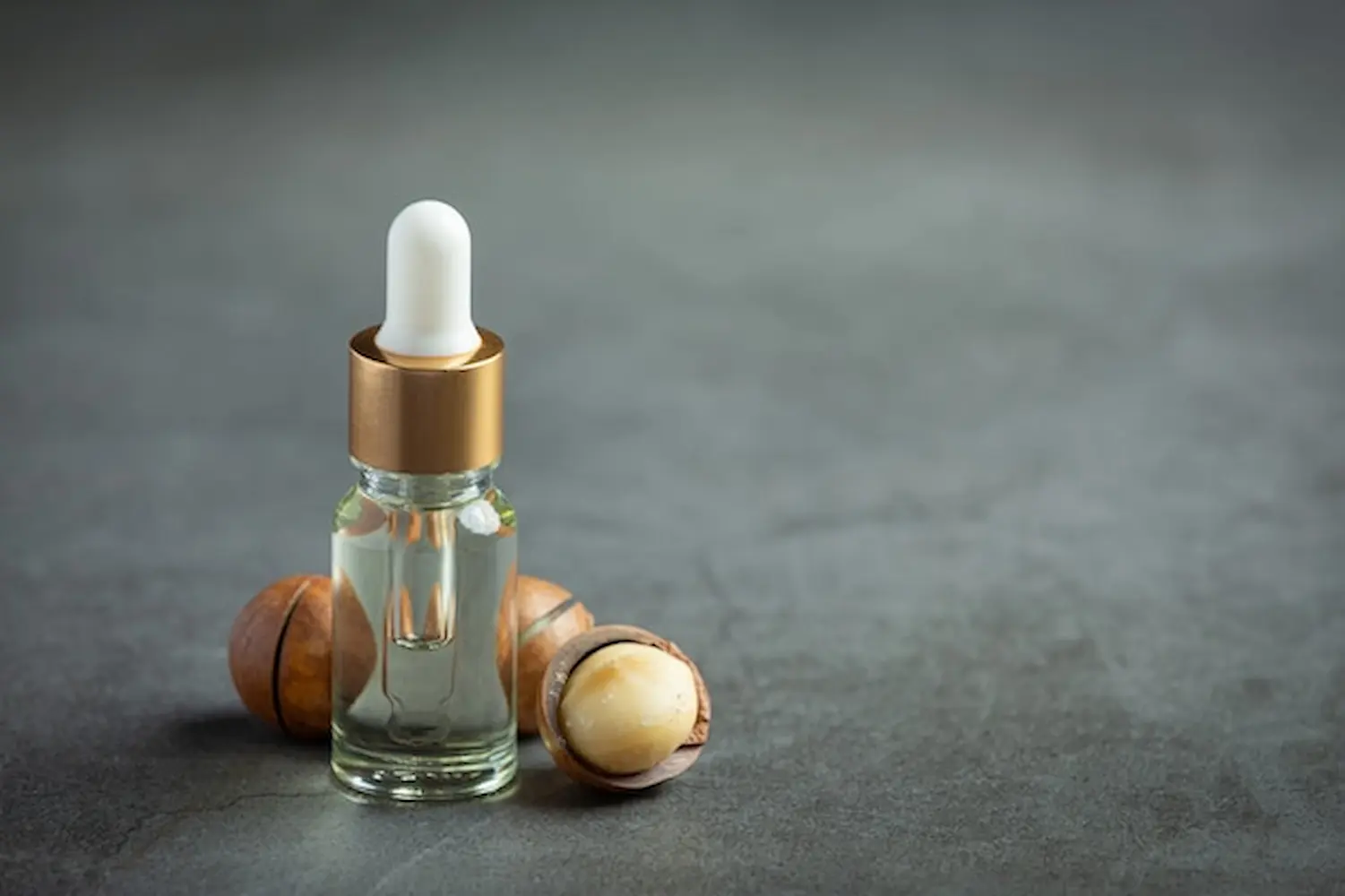
Squalane is a lightweight, stable form of squalene, a lipid that occurs naturally in the skin. As an emollient and mild occlusive, squalane helps soften the skin and reduce moisture loss without feeling heavy or greasy.
It is suitable for most skin types, including oily and combination skin that still needs hydration support. It is also very stable compared to natural plant oils, meaning it is less prone to oxidation and has a longer shelf life in products.
How to Layer Hydrating Ingredients Effectively
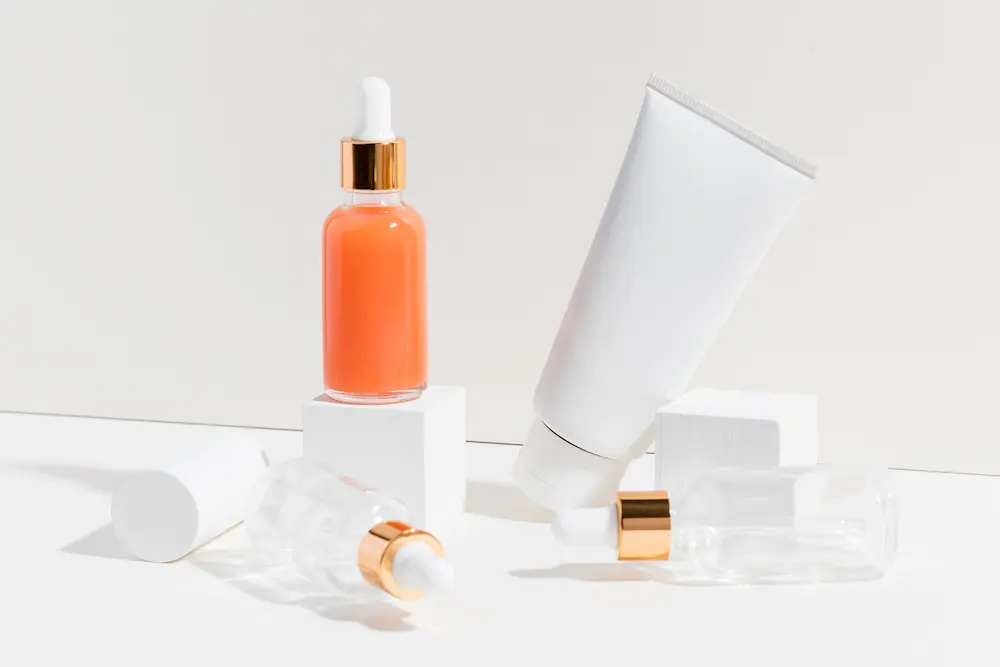
The order in which you apply hydrating ingredients matters for their effectiveness. A general rule is to apply from the thinnest to the thickest consistency:
- Start with a hydrating toner to lay the groundwork
- Apply a serum containing hyaluronic acid, niacinamide, or other active humectants
- Follow with a moisturiser that contains emollients and possibly occlusives to seal everything in
- In the evening, a richer cream or sleeping mask can provide deeper overnight hydration
The goal is to hydrate at multiple layers and then create a protective seal so that hydration stays where it belongs.
Choosing the Right Hydrating Ingredients for Your Skin
Not every hydrating ingredient suits every skin type equally. Here is a quick guide:
- Dry skin: prioritise ceramides, glycerin, atelocollagen, and a good occlusive moisturiser
- Sensitive skin: look for panthenol, rice ferment filtrate, and fragrance-free formulations
- Oily or combination skin: focus on hyaluronic acid and lightweight emollients like squalane
- Ageing skin: consider atelocollagen and ceramides alongside humectants for structural support and hydration
Final Thoughts on Skincare Ingredients for Hydration
The best skincare ingredients for hydration work by complementing each other. Humectants attract water, emollients smooth and soften, and occlusives seal moisture in. Barrier-repairing ingredients like ceramides and atelocollagen help the skin maintain hydration more effectively over the long term.
Rather than looking for one miracle ingredient, building a routine that uses several of these in the right sequence gives skin the best chance of staying genuinely and lastingly hydrated.
Frequently Asked Questions (FAQs)
What are the best skincare ingredients for hydration?
The most effective skincare ingredients for hydration fall into three categories: humectants that attract water (such as hyaluronic acid, glycerin, panthenol, and sodium PCA), emollients that smooth and soften the skin surface (such as fatty acids and squalane), and occlusives that seal moisture in (such as shea butter and dimethicone). Barrier-repairing ingredients like ceramides and atelocollagen also play a key role by helping skin retain hydration over the long term rather than just temporarily.
How does hyaluronic acid hydrate the skin, and how should you use it?
Hyaluronic acid is a naturally occurring molecule that can hold up to 1,000 times its weight in water, drawing moisture to the skin surface. It comes in different molecular weights: high molecular weight works on the surface for immediate softness, while low molecular weight penetrates deeper for lasting hydration. For best results, apply it to slightly damp skin and always seal it with a moisturiser. In dry or air-conditioned environments, leaving it unsealed can cause it to draw moisture out of the skin instead.
What are the best hydrating ingredients for dry or sensitive skin?
The best hydrating ingredients for dry skin are ceramides, glycerin, atelocollagen, and panthenol, all of which help attract moisture, repair the barrier, and prevent water loss simultaneously. For sensitive skin specifically, panthenol (vitamin B5) and rice ferment filtrate are excellent choices as they hydrate while calming redness and reducing irritation. Always look for fragrance-free formulations when combining these ingredients to minimise the risk of sensitisation.
What is atelocollagen and how does it help with skin hydration?
Atelocollagen is a highly purified form of collagen that has had its irritation-triggering components removed, making it far better tolerated by skin than standard collagen. Rather than acting as a direct humectant, atelocollagen supports the skin’s structural integrity, helping maintain firmness and barrier function, which in turn helps skin retain moisture more effectively over time. It is particularly beneficial for skin showing early signs of reduced elasticity, where hydration alone is not fully addressing the concern.
Does niacinamide help with moisturising and hydration?
Yes, niacinamide is one of the most effective multi-tasking ingredients for moisturising dry skin. As vitamin B3, it stimulates the skin to produce more ceramides, fatty acids, and natural moisturising factors (NMFs), all of which strengthen the skin barrier and improve long-term moisture retention. Unlike some active ingredients that can cause sensitivity, niacinamide is well-tolerated by most skin types, making it a reliable addition to any hydration-focused routine without the risk of irritation.