
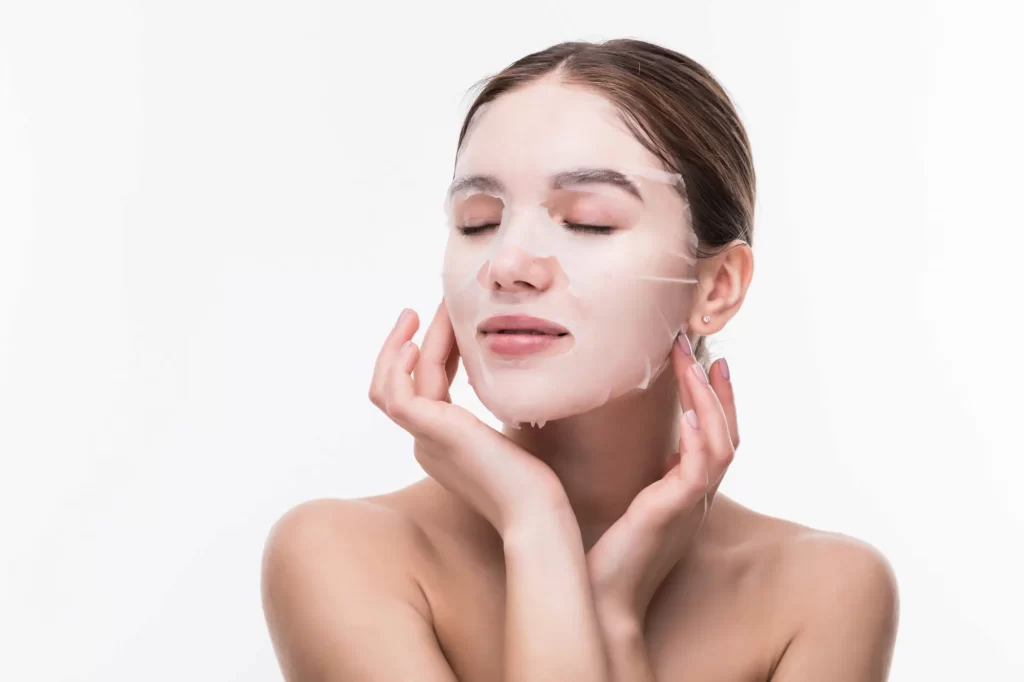
Face masks have become a regular part of many skincare routines, and the variety available can make it difficult to know which type to choose. The sheet mask vs cream mask debate is particularly common, as both have their advocates and their specific use cases. Rather than declaring one better than the other, this guide explains how each type works, what they deliver, and which situations suit each best.
How Sheet Masks Work
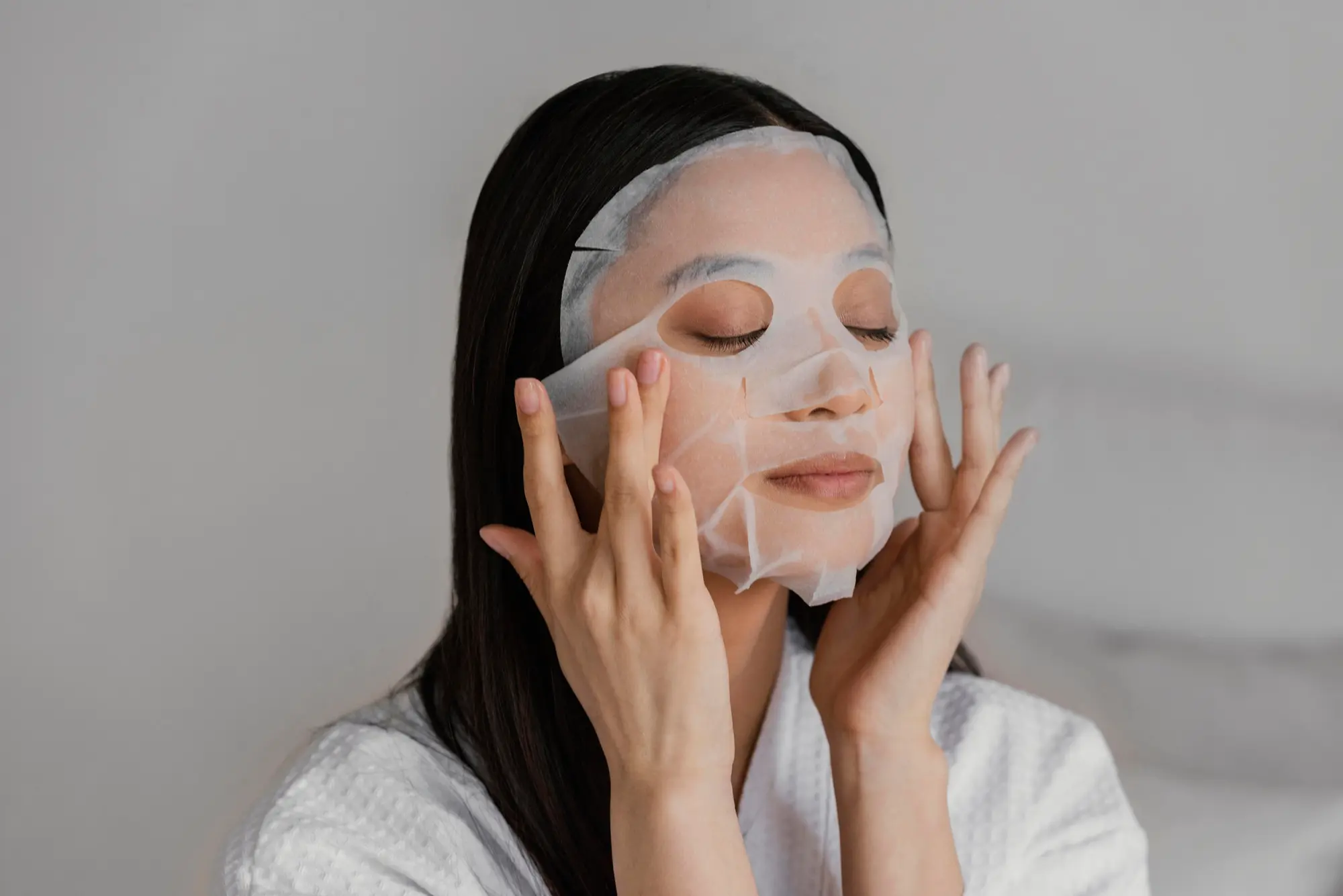
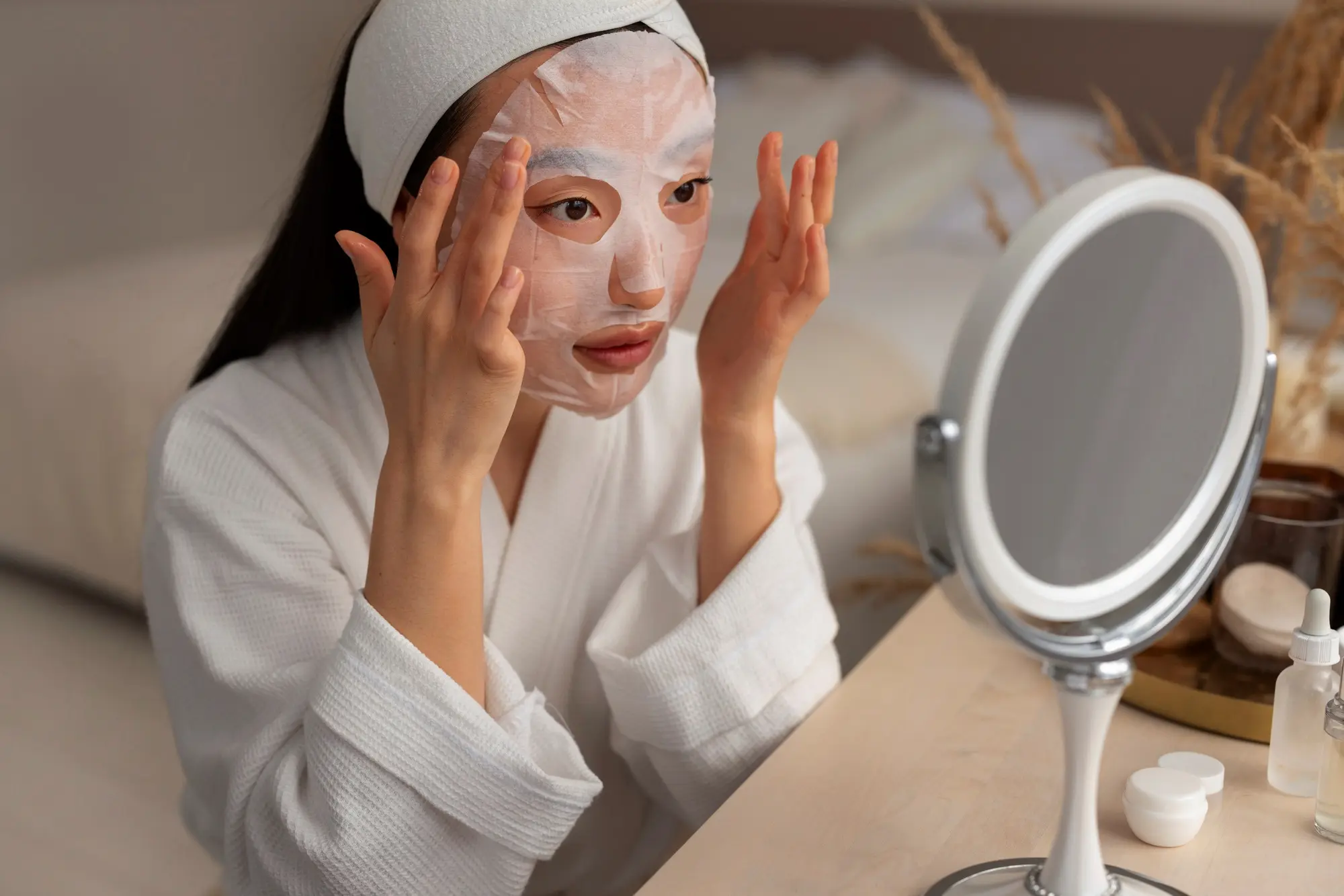
A sheet mask is a fabric or fibre sheet saturated in a serum or essence that is placed over the face and left for a specific period, typically 15 to 30 minutes. The sheet serves two purposes: it acts as a delivery vehicle for the soaked ingredients, and it creates an occlusive barrier that traps moisture and prevents the serum from evaporating, encouraging deeper absorption.
Sheet masks are almost always intended as single-use products, though some can be reapplied if there is remaining serum. They are inherently convenient and require no rinsing.
Benefits of sheet masks
- Deliver a concentrated dose of hydrating ingredients quickly
- Occlusive effect enhances ingredient absorption during the masking period
- Immediately cooling and soothing, particularly straight from the refrigerator
- Easy to use with no mess and no rinsing required
- Available in a wide variety of targeted formulations
Limitations of sheet masks
- Single-use means more waste per use
- Results are often temporary unless used regularly
- The benefit is largely limited to the period of wearing the mask
- Quality varies enormously between brands and price points
How Cream Masks Work
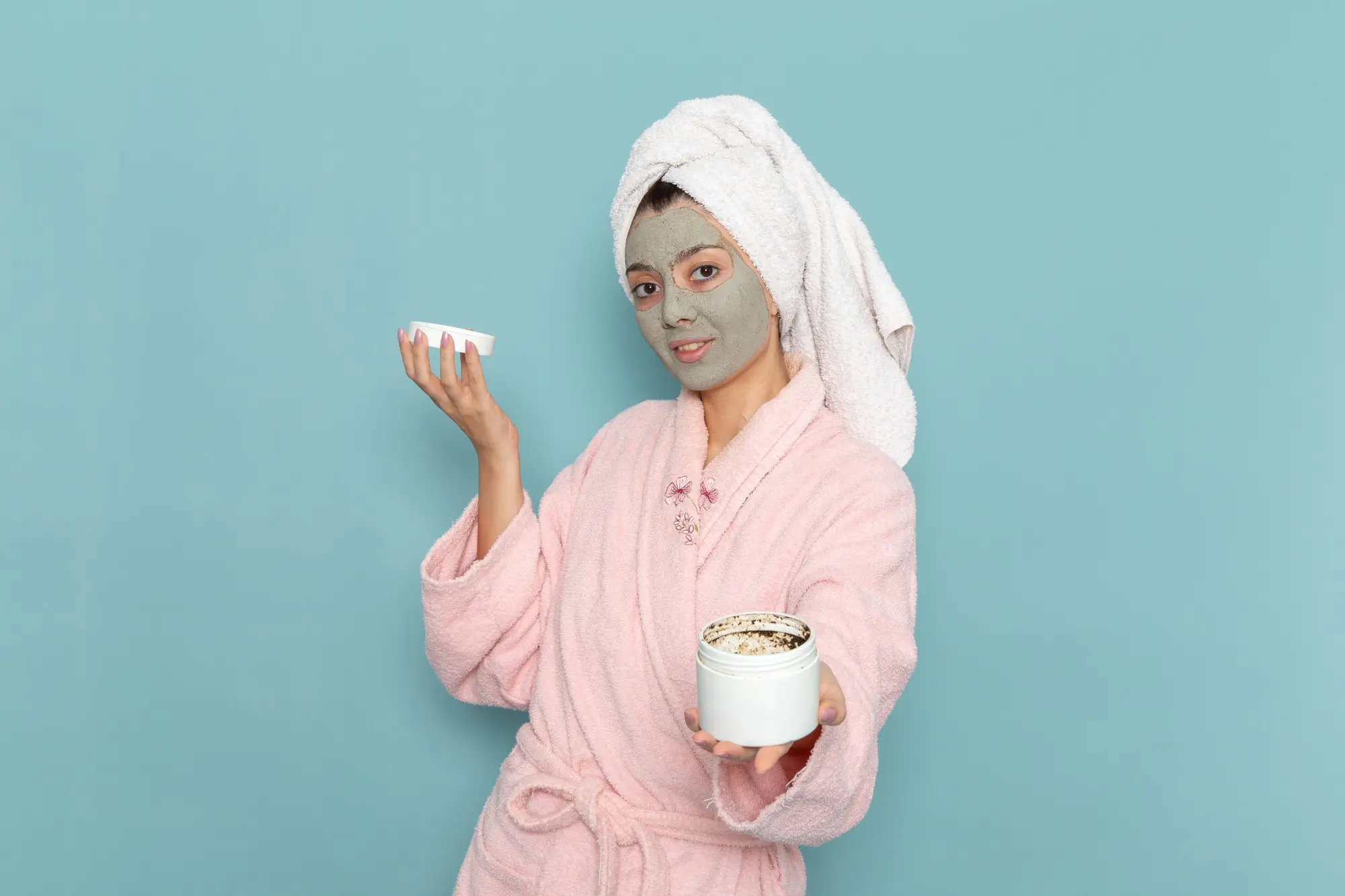
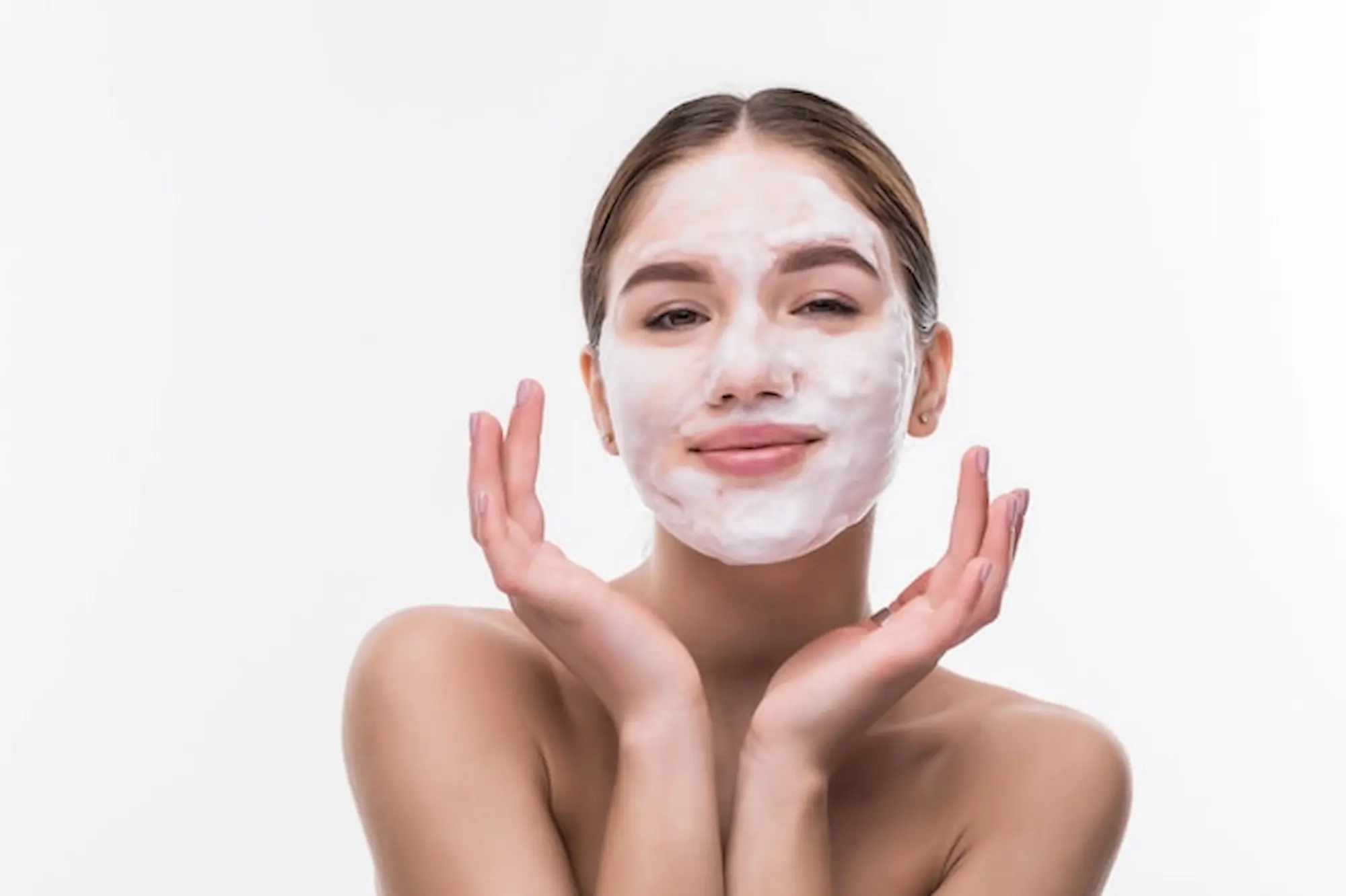
Cream masks are applied as a layer of product to the face, left for a specified time (typically 5 to 20 minutes for wash-off types, or overnight for sleeping masks), and then either rinsed off or left on the skin. They tend to be richer in texture and can be formulated to do a wider range of things depending on their ingredient composition.
Cream masks include clay masks (which draw out impurities and control oil), hydrating sleeping masks (which provide intensive overnight moisture), brightening masks, and treatment masks with concentrated actives.
Benefits of cream masks
- Can be targeted for a wider range of concerns beyond hydration
- Sleeping mask versions work over many hours rather than a short window
- Often more economical per use when packaged in larger quantities
- Clay variants provide deep cleansing and oil-control benefits not possible with sheet masks
- More sustainable with less packaging waste for wash-off versions
Limitations of cream masks
- Wash-off variants require rinsing, which adds a step
- Can be messier to apply and remove
- Clay masks can be too drying if overused or left on too long
What About Treatment Masks Like the Amine Mask?
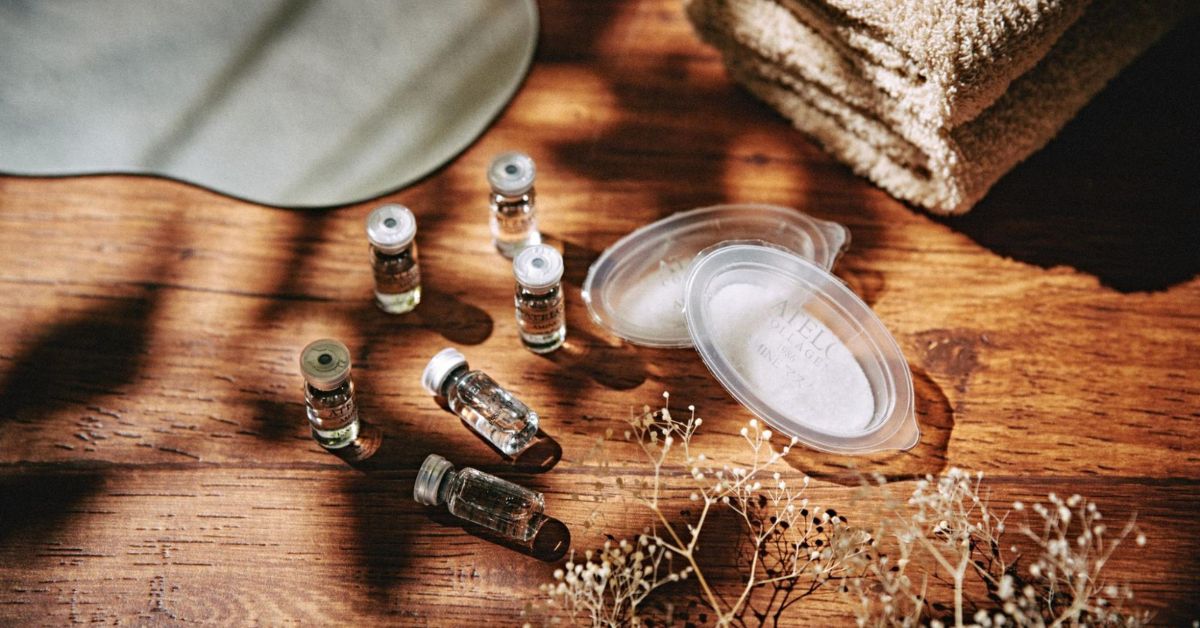
Some masks fall outside the traditional sheet or cream categories. The Atelo Amine Mask is a concentrated treatment mask that combines a sheet application with a serum, providing both the occlusive benefit of a sheet format and the concentrated active delivery of a serum. Used for 15 minutes, it provides a concentrated reset designed to help skin appear smoother, firmer, and more refreshed. For a full breakdown of how it works and who it suits, see our guide on what the Atelo Amine Mask is.
Treatment masks like this sit between the two categories and often offer more targeted skin support than a standard hydrating sheet mask or a basic clay cream mask. They are particularly useful when skin needs more than surface-level moisture, such as after a particularly stressful period, after travel, or as a regular weekly skin maintenance step.
Sheet Mask vs Cream Mask for Specific Skin Concerns
For deep hydration
Both types can deliver deep hydration, but in different ways. A well-formulated hydrating sheet mask delivers concentrated humectants quickly and with immediate visible results. A good overnight sleeping mask provides sustained hydration over several hours. For skin that is very dehydrated, combining both across different nights of the week can be effective. Our guide on how to build a skincare routine for dry skin covers how to fit masking into a hydration-focused routine.
For oily or congested skin
A clay-based cream mask is better suited here than a sheet mask. Clay masks draw excess sebum from pores, have a mild exfoliating effect, and can visibly minimise pore appearance on the T-zone after use. Sheet masks are rarely formulated for this specific purpose.
For dull or tired skin
A brightening sheet mask or a treatment mask with concentrated actives can provide a visible boost to dull skin. The effect may be temporary, but as part of a consistent routine, it contributes to cumulative improvement. See our guide on what rice toner does for dull-looking skin for more on tackling dullness through your broader routine.
For sensitive or reactive skin
Soothing, fragrance-free formulas are generally well-tolerated for sensitive skin in both mask formats. Be more cautious with cream masks that may contain potential sensitisers.
How Often Should You Use a Face Mask?
Frequency depends on the type of mask and your skin’s needs:
- Hydrating sheet masks: one to three times a week, depending on skin dryness
- Clay or purifying cream masks: once a week for oily areas, less frequently for dry or sensitive skin
- Treatment or intensive masks: once or twice a week as a targeted step
- Overnight sleeping masks: one to three times a week in place of your regular evening moisturiser
How to Get the Most from a Face Mask
Regardless of type, a few practices improve mask results:
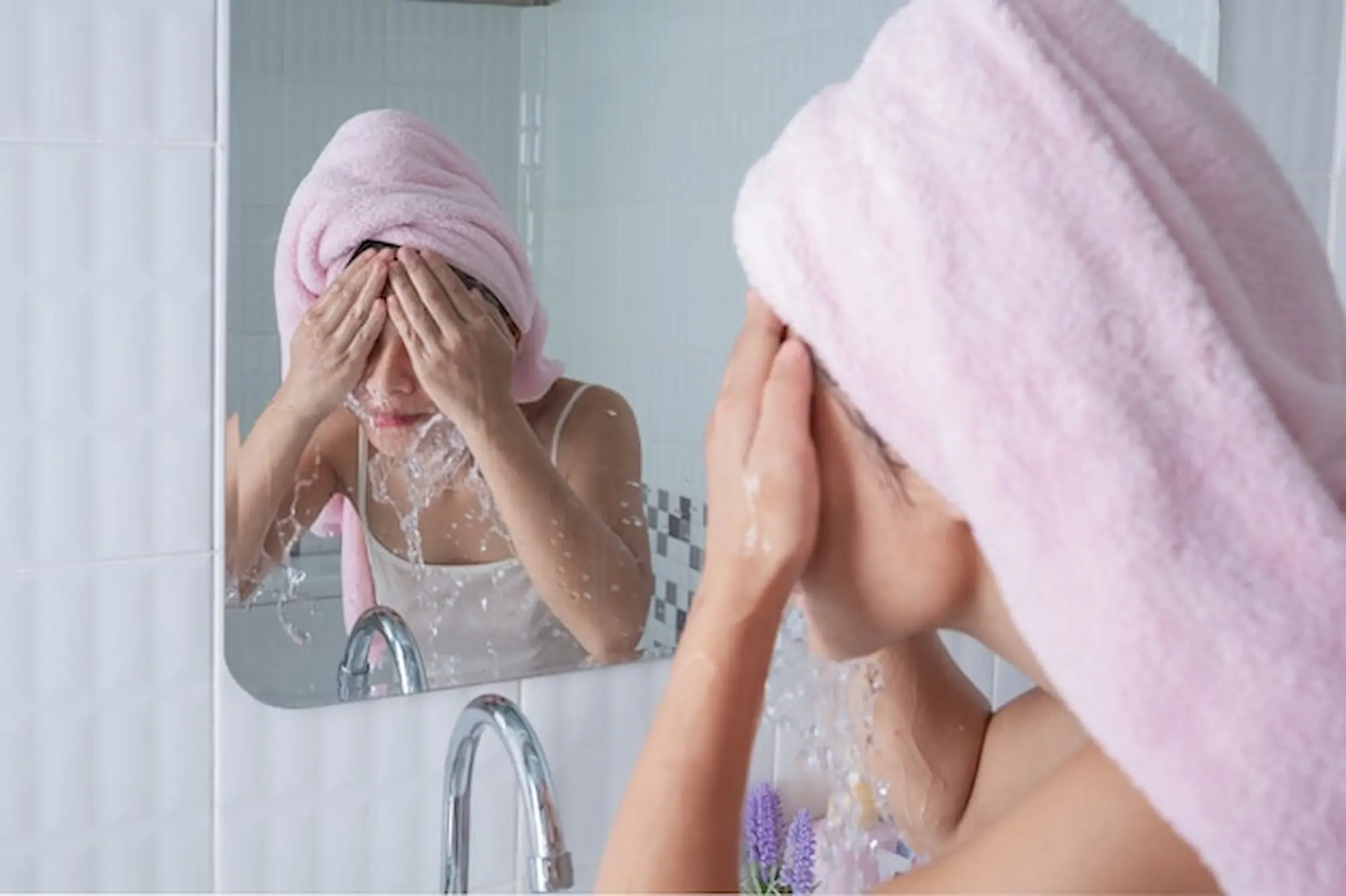
- Cleanse thoroughly before masking to ensure product contact with clean skin
- Apply toner before a sheet mask to prime the skin for better absorption
- Do not leave clay masks on longer than recommended, as over-drying causes more harm than benefit
- Pat remaining serum from a sheet mask into the neck and décolletage rather than discarding it
- Follow with moisturiser after removing a sheet mask to seal in the delivered hydration
For guidance on where masking fits within your morning and evening steps, see our guide on how to layer skincare products in the right order.
Sheet Mask vs Cream Mask: The Decision
Neither type is universally better. They serve different purposes and complement each other well as part of a varied weekly treatment schedule.
If you want immediate visible hydration with minimal effort, a sheet mask or treatment mask is the more practical choice. If you want to address oil control, deep cleansing, or overnight intensive repair, a cream mask is more appropriate.
The best approach for most people is to have at least one of each type available and use them based on what your skin is asking for in any given week. Skincare is most effective when it is responsive to what the skin actually needs rather than rigid in its format. The Atelo Amine Mask is available in a six-pack for those who want to make it a consistent weekly step.
Frequently Asked Questions (FAQs)
What is the difference between a sheet mask and a cream mask?
Sheet masks are single-use fabric sheets pre-soaked in a concentrated serum or essence. They work by creating an occlusive layer over the face that traps moisture and encourages ingredient absorption during the 15 to 30 minutes they are worn. Cream masks are applied directly to the skin as a product layer and come in several forms: clay masks that draw out impurities and control oil, hydrating sleeping masks that work over several hours overnight, and treatment masks with concentrated actives. The main differences are format, contact time, and the range of concerns each type can address.
Which is better for dry skin — a sheet mask or a cream mask?
Both can effectively address dry skin, but in different ways. A hydrating sheet mask delivers concentrated humectants quickly and produces immediate visible results, making it a good choice when dry skin needs a fast boost. An overnight sleeping cream mask provides sustained hydration over several hours, which can be more beneficial for skin that is persistently dehydrated. For the best face mask results for dry skin, using both across different nights of the week (a sheet mask or treatment mask two to three times weekly and a sleeping mask on other evenings) covers both immediate and sustained hydration needs.
What are the benefits of using a face mask in a skincare routine?
Face masks deliver a higher concentration of active ingredients in a shorter period than most leave-on skincare products, making them a useful targeted treatment step in a broader routine. Depending on the type, face mask benefits include rapid surface hydration, overnight moisture repair, sebum control, pore minimisation, and visible improvement in skin brightness. Used consistently as a weekly or twice-weekly step alongside a daily routine, they contribute to cumulative improvement in skin texture, comfort, and appearance over time.
How often should you use a face mask?
Frequency depends on the mask type and your skin’s current condition. Hydrating sheet masks or treatment masks can be used one to three times a week, depending on how dry or depleted your skin feels. Clay or purifying cream masks are best limited to once a week for oily areas and less often for dry or sensitive skin, as overuse can cause dehydration even in oilier zones. Overnight sleeping masks can replace your regular evening moisturiser one to three times a week. The general rule is to assess how your skin responds and adjust frequency accordingly, rather than following a fixed schedule rigidly.
Where does face masking fit into a skincare routine in Singapore?
In Singapore’s climate, face masking works best as a weekly treatment step that addresses what daily products cannot fully deliver: a concentrated reset for skin depleted by the ongoing cycle of outdoor humidity and indoor air conditioning. Always cleanse thoroughly before masking so the product makes full contact with clean skin, and apply a hydrating toner before a sheet mask to prime the skin for better absorption. After removing a sheet or treatment mask, follow immediately with moisturiser to seal in the delivered hydration. For sleeping masks, apply as the final step of your evening routine in place of your usual night moisturiser.