
Welcome to our ultimate sunscreen guide Singapore. Sunscreen is the single most impactful skincare product available for preventing premature skin ageing, hyperpigmentation, and long-term skin damage. In Singapore, with a UV Index that regularly reaches 11 or above at midday and high UV levels maintained year-round, the case for daily sunscreen use is not a matter of debate. It is a fundamental health and skin quality consideration. Yet sunscreen is also one of the most commonly misapplied products in skincare. This sunscreen guide Singapore explains how to choose the right formulation for our climate and how to apply sunscreen in a way that actually provides meaningful protection.
Understanding SPF Numbers
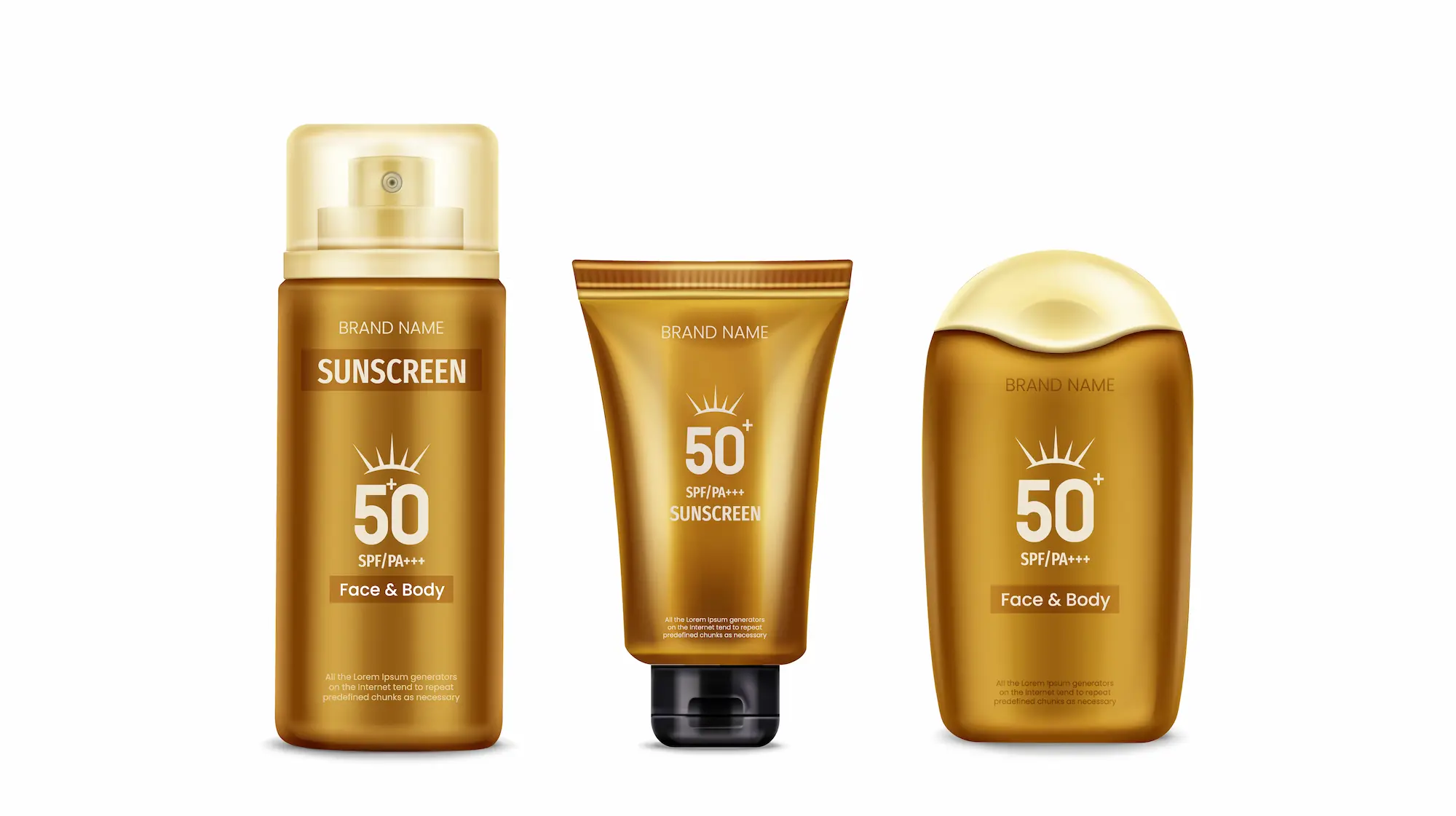
SPF stands for Sun Protection Factor and measures the degree of protection against UVB radiation, the type primarily responsible for sunburn and direct DNA damage in the skin. As any comprehensive sunscreen guide Singapore will note, the number indicates how long protected skin can be exposed to UVB before burning relative to unprotected skin. SPF 30 blocks approximately 97 percent of UVB, while SPF 50 blocks approximately 98 percent. The difference between SPF 30 and SPF 50 is meaningful but not as dramatic as marketing often suggests. What matters more than a very high SPF number is consistent, adequate application of at least SPF 30 every day. For daily use, finding the best sunscreen for Singapore climate typically means opting for SPF 30 to 50. SPF 50 or higher is worth choosing if you spend significant time outdoors, have a history of sun sensitivity or hyperpigmentation, or are currently treating existing skin damage.
UVA vs UVB: Why Broad-Spectrum Matters
SPF only measures UVB protection. UVA radiation penetrates deeper into the skin and is primarily responsible for collagen breakdown, photoageing, and the deeper pigmentation changes that accumulate over years. UVA also penetrates glass and cloud cover, meaning indoor exposure is real. A broad-spectrum sunscreen provides protection against both UVA and UVB. Look for this designation on the packaging, along with PA+ ratings (common in Asian markets), where more plus signs indicate stronger UVA protection. PA+++ or higher is an essential recommendation in this sunscreen guide Singapore for local conditions.
Mineral vs chemical sunscreen: Which Is Better?
Both types provide genuine protection when applied correctly. The choice comes down to skin type, preferences, and specific concerns. When referencing a sunscreen guide Singapore, you will frequently see this comparison:
Mineral sunscreens (zinc oxide, titanium dioxide): Mineral sunscreens work by sitting on the skin surface and reflecting UV radiation. They are effective immediately upon application and are generally better tolerated by sensitive, reactive, or acne-prone skin because they do not require absorption to function. They also provide protection against a broader range of UV wavelengths without chemical sensitisation. The main downside is the potential for white cast, particularly on deeper skin tones, though modern formulations have significantly reduced this issue, making it a highly viable SPF for Asian skin.
Chemical sunscreens: Chemical sunscreens contain UV-absorbing compounds that convert UV into heat and disperse it. They typically feel more cosmetically elegant than mineral formulas, absorb invisibly, and sit comfortably under makeup. They require 15 to 20 minutes after application before full protection activates. Some chemical filters, particularly avobenzone, can cause sensitivity in reactive skin, and certain filters (oxybenzone) are restricted in some countries due to environmental concerns.
For Singapore’s Climate
Heat and sweat are significant factors in Singapore. Water-resistant formulations hold up better through sweating and are worth choosing for outdoor use. Lightweight, non-greasy textures are more comfortable in the heat and more likely to be applied consistently. Both mineral and chemical options can meet these criteria — testing a few formats to find one you actually enjoy wearing is a key takeaway in our sunscreen guide Singapore.
How Much Sunscreen to Apply
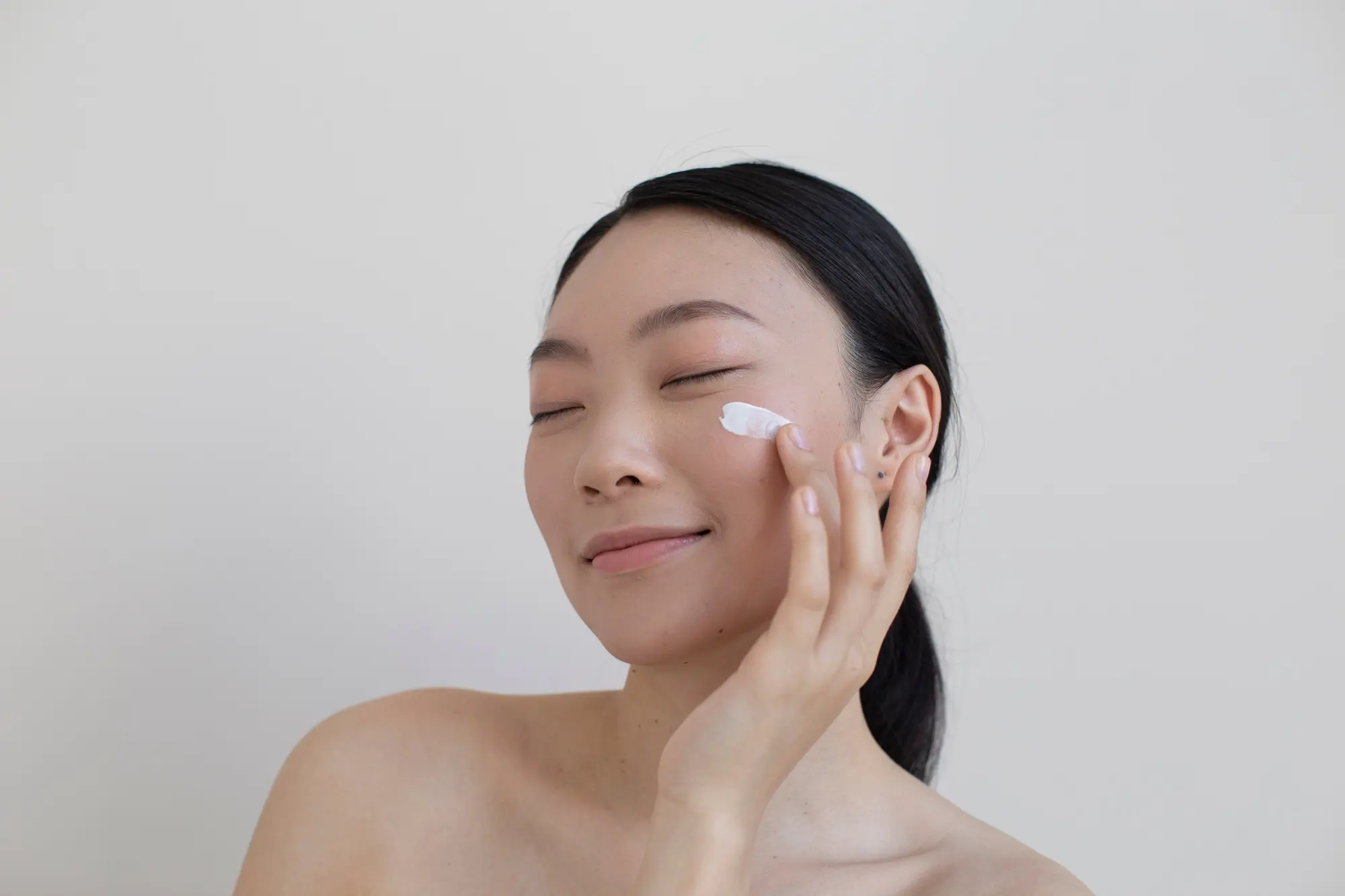
Applying too little sunscreen is one of the most common mistakes, and it significantly reduces the protection received. Most clinical SPF testing uses two milligrams of product per square centimetre of skin. In practice, mastering how to apply sunscreen properly translates to:
-
For the face alone: approximately a quarter to a half teaspoon (or a consistent two-finger length from most pump or tube products).
-
Do not forget the neck, ears, and any exposed chest.
-
Reapply to exposed areas after two hours of outdoor exposure, or immediately after significant sweating or towelling off.
Many people apply a fraction of the amount needed, effectively getting significantly less SPF than the number on the packaging suggests. Highlighting this volume discrepancy is a crucial aspect of any reliable sunscreen guide Singapore.
How to Apply Sunscreen Correctly in Your Routine
SPF should always be the final step in the morning routine, applied after moisturiser and before any makeup. Layering other products on top of sunscreen after it has been applied dilutes and disrupts the protective film. Apply generously and evenly, covering the full face, including the hairline and around the nose. Allow the sunscreen to set for a few minutes before going outdoors or before applying makeup over it. In the evening, sunscreen should be removed as part of the double cleanse process. Residual SPF left on the skin overnight can contribute to congestion.
Reapplication: The Step Most People Skip
The protection from a morning sunscreen application diminishes over time. UV radiation, sweat, and physical touch all break down the protective film. For anyone spending significant time outdoors, this sunscreen guide Singapore highly recommends reapplication every two hours.
Practical ways to reapply without disrupting makeup or a full routine include:
-
Sunscreen sticks, which can be applied directly over makeup.
-
SPF-containing cushion compacts, which allow reapplication with natural coverage.
-
Setting sprays with SPF, though these provide less reliable coverage than traditional sunscreen application.
Common Sunscreen Mistakes in Singapore’s Climate
Even people who use sunscreen regularly often make practical errors that reduce its effectiveness:
-
Applying it only on sunny or outdoor days — UVA penetrates clouds and glass, making indoor exposure real.
-
Not applying enough — the most common and most impactful error.
-
Applying it too early and then spending time in front of a mirror touching the face before leaving the house.
-
Skipping the neck and ears, which are equally sun-exposed.
-
Not reapplying after heavy sweating or extended outdoor time.
Frequently Asked Questions (FAQs)
What is the best sunscreen for Singapore’s climate?
The best sunscreen for Singapore climate needs to balance three requirements: broad-spectrum protection of at least SPF 30 with strong UVA coverage (PA+++ or higher), a texture comfortable enough in heat and humidity that you will apply it consistently without skipping, and water resistance to maintain coverage through Singapore’s inevitable sweating. Lightweight, non-greasy fluid or gel formulas tend to be most tolerated in the heat. Sensitive skin benefits from mineral formulas with zinc oxide. The core principle of this sunscreen guide Singapore is choosing a product you will actually use every day — consistency matters more than the specific type.
How much sunscreen should you apply on your face?
The correct amount of sunscreen for the face is approximately a quarter to a half teaspoon per application, or the equivalent of two finger-lengths from a tube. Most people apply a fraction of this, which means the actual SPF protection received is significantly less than the number on the packaging. When evaluating the right SPF for Asian skin or any skin type, always apply enough to visibly cover the full face, including the hairline, under the eyes, around the nose, and on the ears and neck. The extra product may feel like too much at first, but this is the amount tested in clinical SPF studies and the amount needed for the stated protection level.
What is the difference between mineral and chemical sunscreen?
When weighing up mineral vs chemical sunscreen, note that mineral sunscreens use zinc oxide or titanium dioxide to physically reflect UV radiation from the skin surface. They work immediately, are generally better tolerated by sensitive skin, and provide broad UV coverage without requiring absorption. Chemical sunscreens use UV-absorbing compounds that convert UV energy into heat. They feel more cosmetically elegant, absorb invisibly, and sit comfortably under makeup, but require 15 to 20 minutes to activate after application and may cause sensitivity in reactive skin types. Both provide genuine protection when applied correctly and in adequate amounts.
How often should you reapply sunscreen in Singapore?
As stated throughout this sunscreen guide Singapore, sunscreen should ideally be reapplied every two hours during outdoor exposure. UV radiation degrades the protective film, and sweating significantly reduces efficacy — a particularly relevant issue in Singapore’s heat. For typical indoor days with limited outdoor time, a single thorough morning application may be sufficient. However, for commuting on foot, outdoor activities, or significant time near windows, reapplication is important. Practical options for reapplication over makeup include SPF sticks, cushion compacts with SPF, and setting sprays formulated with sun protection. Thoroughness and coverage consistency matter — patchy or minimal reapplication provides less protection than a full, careful application.