

Dark circles and under-eye puffiness are among the most searched skincare concerns, yet they are also two of the most poorly understood. The solutions that help depend entirely on the specific cause, and this is why many people find that products advertised for dark circles make little to no difference — they are addressing the wrong underlying factor. This guide explains what actually causes dark circles and puffiness, and which approaches are most effective for each type. If you want to know how to reduce dark circles effectively, keep reading.
Why Dark Circles Happen: Multiple Dark Circles Causes and Fixes

Dark circles are not a single condition with a single cause. When researching how to reduce dark circles, you will find they fall into several distinct categories:
-
Pigmentation-based dark circles: These are caused by hyperpigmentation under the eyes — excess melanin in the delicate under-eye skin. They tend to be brown or brownish-grey in colour and are more common in medium to deeper skin tones. Sun exposure worsens them. They respond best to brightening skincare ingredients applied consistently over time. (More on our guide on How to Fade Hyperpigmentation).
-
Vascular dark circles: These result from the visibility of blood vessels beneath the very thin under-eye skin. The blood in these vessels shows through as a bluish or purple-tinged shadow. They tend to worsen with poor sleep, dehydration, and nasal congestion. They are more common in lighter skin tones. Skincare can improve the appearance, but cannot eliminate vascular dark circles fully — skin thickening ingredients and lifestyle factors are most helpful.
-
Structural shadows: These are caused by the contour of the eye socket area rather than pigmentation or blood vessels. As the face loses volume with age, hollowing under the eyes creates a shadow that looks like a dark circle. This type does not respond to skincare and is most effectively addressed with dermal fillers if treatment is desired. (For more on volume loss, see our blog on What Causes Skin Ageing).
-
Lifestyle-related dark circles: Poor sleep, dehydration, excessive alcohol, and stress can all contribute to a temporary worsening of dark circles through increased fluid retention, dilated blood vessels, and reduced skin plumpness. These respond primarily to lifestyle improvements.
Why Under-Eye Puffiness Happens

Under-eye puffiness is most often caused by fluid retention beneath the eyes. Several factors contribute:
-
Sleeping in a flat position allows fluid to pool under the eyes during the night, causing morning puffiness that often resolves throughout the day.
-
Dietary factors, including high salt intake, increase fluid retention generally.
-
Allergies trigger inflammatory responses that cause swelling in the under-eye area.
-
Dehydration causes the body to retain water, worsening puffiness.
-
Age-related changes, as the skin and supporting structures weaken, allowing fat pads beneath the eye to shift forward.
What Actually Helps: Under Eye Skincare Singapore Approaches
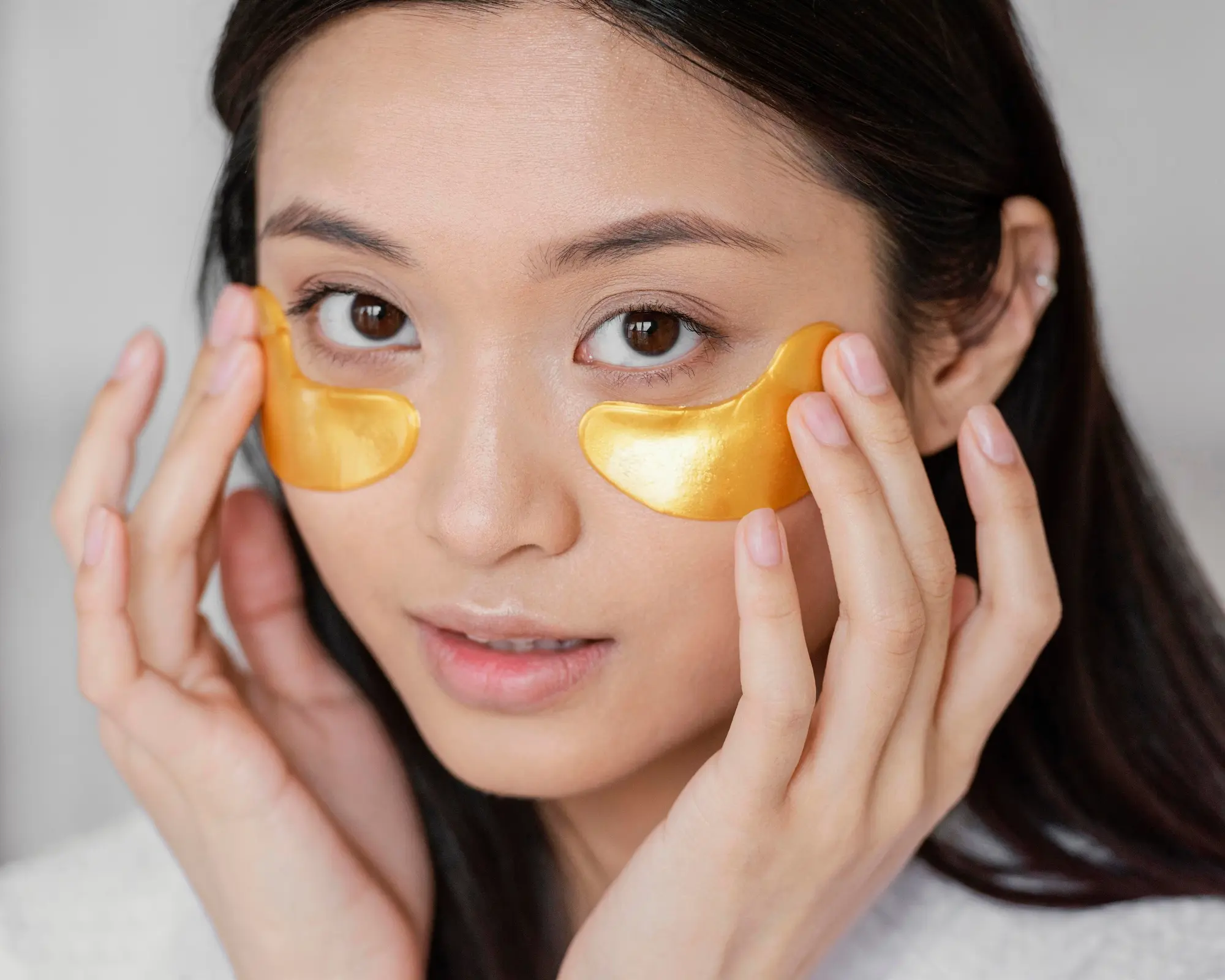
If you are figuring out how to reduce dark circles and puffiness, your eye puffiness skincare and dark circle routine must be targeted.
For pigmentation-based dark circles
Consistent use of brightening ingredients targeted at the under-eye area can gradually improve melanin-driven dark circles:
-
Vitamin C to inhibit melanin production and brighten the skin tone.
-
Niacinamide to reduce melanin transfer to surface skin cells.
-
Alpha arbutin as a gentle tyrosinase inhibitor suited to the delicate under-eye area.
-
Retinoids used very carefully in low concentrations, which can improve skin texture and mildly brighten pigmentation over time.
-
SPF applied up to and around the under-eye area, as UV exposure actively darkens existing pigmentation. (Discover more about our guide on Skincare Ingredients for Hydration).
For vascular dark circles
Vascular dark circles are harder to treat topically. The most helpful approaches for those wondering how to reduce dark circles include:
-
Caffeine, which temporarily constricts blood vessels and reduces the visible bluish tone.
-
Vitamin K, which has some evidence for supporting circulation and reducing the appearance of vascular discolouration.
-
Ingredients that support skin thickening over time, like retinoids and peptides, which make the blood vessels less visible through a thicker skin layer.
-
Prioritising sleep, hydration, and managing allergies, which are the most impactful interventions for the vascular type.
For puffiness
The most reliable approaches for under-eye puffiness include:
-
Sleeping with the head slightly elevated to reduce fluid pooling.
-
Cool compresses in the morning to constrict blood vessels and reduce swelling temporarily.
-
Reducing dietary sodium to lower overall fluid retention.
-
Caffeine-containing eye products, which have a temporary tightening and depuffing effect.
-
Jade rollers or gua sha tools used with light, outward strokes to encourage lymphatic drainage in the morning.
How to Apply Under-Eye Products Correctly
Finding the best eye cream Singapore offers is only half the battle. The skin under the eyes is the thinnest and most fragile on the face. Application technique matters:
-
Always use the ring finger, which naturally applies the least pressure.
-
Tap rather than rub or drag; rubbing the under-eye area causes friction that contributes to milia and may worsen fine lines.
-
Apply from the inner corner outward with gentle tapping motions.
-
Use only a small amount; a little goes a long way in such a concentrated area.
-
Apply eye product before facial moisturiser, as lighter products should go on first. (For sequence tips, read more on Morning vs Evening Routine). This is a crucial step in how to reduce dark circles.
What to Expect from Under-Eye Skincare
Managing expectations is important for under-eye skincare. Pigmentation-based dark circles can improve with consistent brightening treatment over eight to sixteen weeks. When evaluating how to reduce dark circles, remember that vascular dark circles can be temporarily improved with caffeine and lifestyle adjustments, but are difficult to significantly change with topical treatment alone.
Structural shadows do not respond to topical skincare. For anyone whose dark circles or puffiness are significantly affecting their quality of life and do not respond to topical and lifestyle approaches, consulting a dermatologist or aesthetic doctor in Singapore can open up additional options, including laser treatment, chemical peels, or filler for structural hollowing.
Frequently Asked Questions (FAQs)
What causes dark circles under the eyes?
Dark circles have four distinct causes that require different approaches. Pigmentation-based dark circles result from excess melanin in the under-eye skin and appear brown — they respond to brightening ingredients and SPF. Vascular dark circles result from blood vessels showing through the thin under-eye skin and appear blue or purple — they respond to caffeine, skin-thickening ingredients, and lifestyle factors. Structural shadows are caused by volume loss creating a hollowed contour and do not respond to skincare. Lifestyle-related dark circles are worsened by poor sleep, dehydration, and stress and improve primarily with lifestyle changes. Identifying which type you have is the most important step before choosing a treatment approach, and is fundamental to knowing how to reduce dark circles.
What skincare ingredients actually help reduce dark circles?
The most effective skincare ingredients for dark circles depend on the type. If you are looking into how to reduce dark circles that are pigmentation-based: vitamin C to inhibit melanin production, niacinamide to reduce melanin transfer to surface cells, alpha arbutin as a gentle tyrosinase inhibitor, and low-concentration retinoids to improve skin texture and mildly brighten over time. For vascular dark circles: caffeine to temporarily constrict blood vessels, vitamin K for circulation support, and retinoids or peptides to thicken the skin and make blood vessels less visible over time. For all types, consistent SPF application up to and around the under-eye area prevents UV from actively darkening existing pigmentation.
What is the best way to apply under-eye skincare products?
The correct technique for applying under-eye skincare products is to use the ring finger only, which applies the least pressure of any finger, and to tap the product gently from the inner corner outward rather than rubbing or dragging. Rubbing the thin under-eye skin causes friction that can worsen fine lines and contribute to milia (small white bumps from trapped skincare). Use only a small amount of product — a tiny amount covers the entire under-eye area. Apply before facial moisturiser as under-eye products are typically lighter formulations that should absorb before heavier products are applied over them. Proper application is key when learning how to reduce dark circles.