
Collagen for skin is one of the most marketed ingredients in beauty. It appears in creams, serums, supplements, drinks, and even food products, all promising to restore firmness, smoothness, and a more youthful appearance. The science behind collagen is genuinely interesting, but it is also frequently simplified or overstated in marketing. This guide explains what collagen is, what it actually does, and what the evidence says about different forms of collagen use.
What Is Collagen?
Collagen is a structural protein and the most abundant protein in the human body. It forms the fibrous scaffolding of the skin’s dermis, the layer below the outer skin surface, providing it with tensile strength, elasticity, and structure. Collagen also plays roles in tendons, ligaments, bones, and connective tissue throughout the body.
In the skin specifically, collagen fibres form a network that gives skin its bounce-back quality, its firmness, and its overall smooth, taut appearance.
What Happens to Collagen as We Age?

From the mid-twenties onwards, collagen production in the skin begins to decline at a rate of roughly one to two percent per year. This is a gradual process, but over time it contributes to:
- Reduced skin firmness and elasticity
- The appearance of fine lines and wrinkles
- A less even skin surface
- Skin that takes longer to recover from pressure or movement
UV exposure is the single largest environmental factor that accelerates collagen breakdown. UV radiation generates reactive oxygen species (free radicals) that damage collagen fibres and interfere with the body’s ability to produce new ones. This is why daily SPF use is one of the most evidence-backed anti-ageing habits available.
Topical Collagen: What Actually Happens When You Apply It?
Here is where things get scientifically nuanced. Collagen is a very large molecule. The standard collagen molecule is too large to penetrate the outer layer of the skin (the stratum corneum) in its full form. When applied topically, most collagen sits on the surface of the skin.
This does not mean topical collagen is useless. As a surface-active ingredient, it can:
- Form a film on the skin that temporarily reduces moisture loss
- Improve the immediate feel and texture of the skin surface
- Contribute to a plumper, more comfortable skin surface while the product is on the skin
However, the idea that applying collagen to the skin directly rebuilds the collagen network in the dermis is not well-supported by the current evidence for standard collagen molecules. The skin simply does not absorb whole collagen molecules in that way.
What About Hydrolysed Collagen?
Hydrolysed collagen (also called collagen peptides) is collagen that has been broken down into smaller fragments. These smaller fragments can penetrate further into the skin than whole collagen molecules. Research into hydrolysed collagen and collagen peptides suggests they may stimulate fibroblasts, the cells in the dermis responsible for collagen synthesis, to produce more collagen.
The evidence for this is more promising than for whole collagen topicals, though it is still an active area of research. Several small studies have shown improvements in skin hydration, elasticity, and the appearance of fine lines with consistent use of hydrolysed collagen in both topical and supplemental forms.
Atelocollagen: A More Skin-Compatible Form
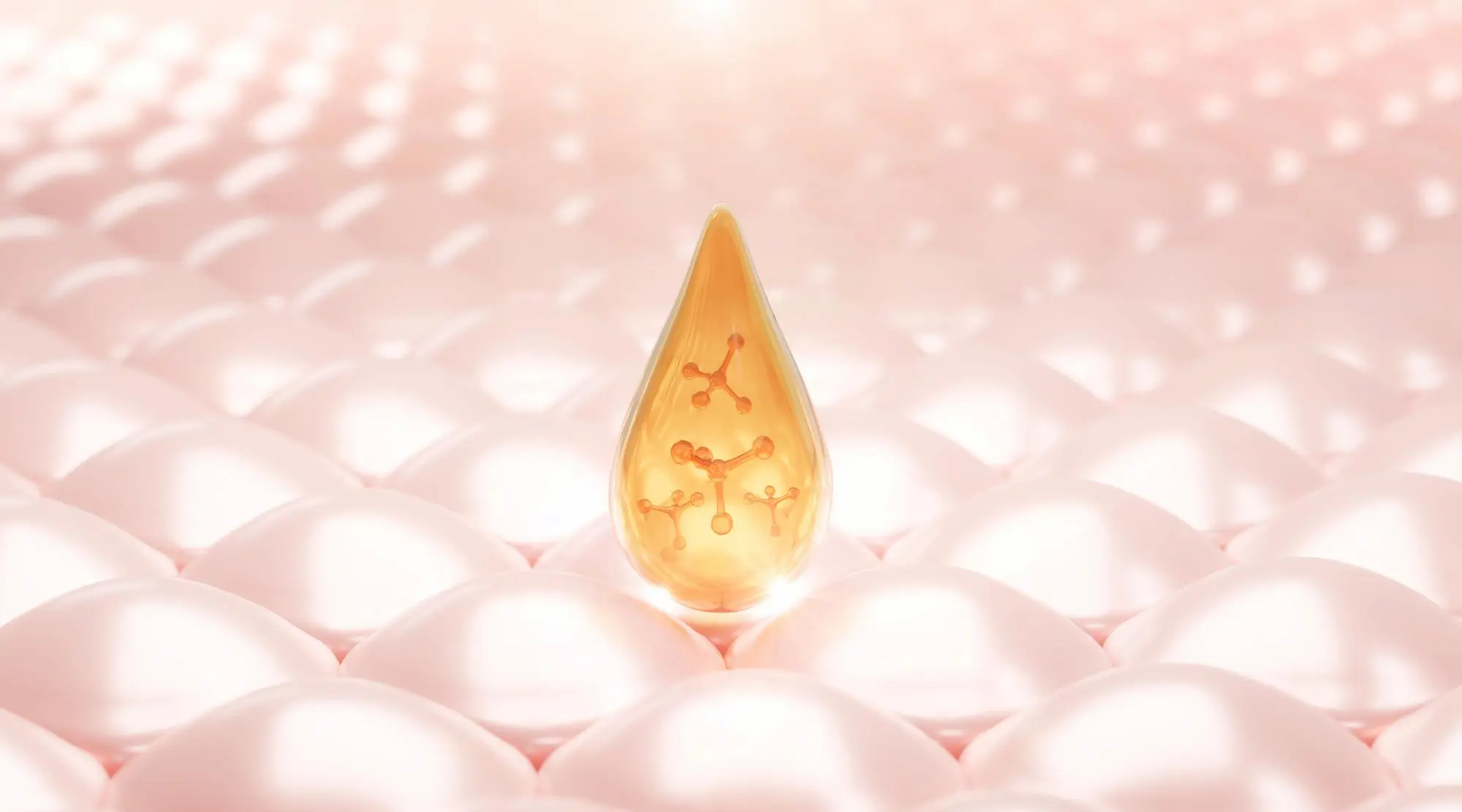
Atelocollagen is a highly purified form of collagen produced by removing the telopeptide sections that make regular collagen potentially immunogenic. The result is a collagen molecule that is much better tolerated by the skin and has been used in pharmaceutical and medical applications because of its biocompatibility.
Atelo Singapore is built around atelocollagen as its core ingredient, chosen for its scientific refinement and skin compatibility rather than simply the marketing appeal of “collagen.” For a closer look at how atelocollagen fits into a daily routine, see our guide on atelocollagen skincare steps for daily use.
Collagen Supplements: Does Eating Collagen Help Skin?

This is a separate question from topical application. The evidence for oral collagen supplementation is actually somewhat more substantial than for topical application. Several randomised controlled trials have found that daily intake of hydrolysed collagen peptides can improve skin hydration, elasticity, and the appearance of fine lines over 8 to 12 weeks.
The proposed mechanism is that the peptides from digested collagen circulate in the bloodstream, reach the dermis, and stimulate fibroblasts to produce more collagen. Not all researchers agree on this mechanism, and the studies are generally small. However, the overall evidence is more consistently positive than many people expect.
Whether to take collagen supplements is a personal decision, and they are not a replacement for good topical skincare and SPF. They may, however, be a useful complement for those who want to approach skin support from multiple angles.
What Actually Stimulates Collagen Production in Skin?
Beyond supplements and topical collagen, several well-studied skincare ingredients do have evidence for supporting the skin’s own collagen production.
Retinoids
Retinol and prescription retinoids are among the most extensively studied ingredients for collagen stimulation. They work by binding to receptors in skin cells and upregulating collagen gene expression while inhibiting the enzymes that break down existing collagen.
Vitamin C
Ascorbic acid is a necessary cofactor in the synthesis of collagen. Without adequate vitamin C, the body cannot produce functional collagen. Topical vitamin C can support this process locally in the skin and also provides antioxidant protection against collagen-damaging free radicals.
Peptides
Certain peptides act as signalling molecules that tell the skin to produce more collagen. Matrixyl (palmitoyl pentapeptide) and similar peptides have been studied for their collagen-stimulating effects and can be effective when used in appropriate concentrations. For a broader overview of ingredients that support skin hydration and structure, see our guide on the best skincare ingredients for hydration.
Building a Collagen-Supportive Skincare Routine
A practical approach to supporting collagen in the skin includes:
- Daily SPF to prevent UV-related collagen breakdown
- Vitamin C in the morning for antioxidant protection and collagen synthesis support
- Atelocollagen-containing products for structural skin support, such as the Atelo Radiance Boosting Cream, which supports elasticity and surface luminosity
- Retinoid use in the evening (starting slowly with a low concentration)
- Consistent hydration to support the skin environment where collagen synthesis occurs
Collagen for Skin: What the Evidence Supports
The science of collagen for skin is more nuanced than most marketing suggests. Whole topical collagen provides surface benefits but does not rebuild the dermis. Hydrolysed collagen and atelocollagen offer better bioavailability and compatibility. Oral collagen supplements show promising results in several trials. And the most well-established route to protecting existing collagen remains daily SPF use.
A science-led approach to collagen means neither dismissing it as pure marketing nor accepting exaggerated claims. The ingredient genuinely matters for skin, when used in the right form, at the right concentrations, within a thoughtful overall routine.
Frequently Asked Questions (FAQs)
What does collagen do for skin?
Collagen is the structural protein that gives skin its firmness, elasticity, and bounce-back quality. It forms a fibrous network in the dermis that keeps the skin looking taut and smooth. From the mid-twenties onwards, the body produces less collagen each year, which gradually contributes to reduced firmness, the appearance of fine lines, and a less even skin surface. Supporting collagen (through protective habits like daily SPF, targeted ingredients like vitamin C and retinoids, and well-formulated collagen-containing products) helps maintain the skin’s structural integrity over time.
Does topical collagen actually work?
Topical collagen skincare provides real but limited benefits. Standard collagen molecules are too large to penetrate the outer skin layer, so when applied, they work primarily on the surface, forming a film that reduces moisture loss and temporarily improves how skin feels and looks. They do not directly rebuild the collagen network in the dermis. Hydrolysed collagen and atelocollagen are refined forms with smaller molecular structures that offer better compatibility and more promising results, which is why formulation matters as much as the ingredient itself.
What are the benefits of atelocollagen for skin?
Atelocollagen is a highly purified form of collagen with the telopeptide sections removed, making it significantly more biocompatible and better tolerated by the skin than standard collagen. Its benefits include supporting surface hydration, improving skin feel and texture, and being suitable for sensitive or reactive skin that may not tolerate less refined collagen forms. Because of its use in pharmaceutical and medical applications, atelocollagen has a more established biocompatibility profile than most collagen ingredients used in mainstream skincare.
Do collagen supplements work for skin, and how do they compare to topical skincare?
The evidence for collagen supplements is more robust than many people expect. Several randomised controlled trials have found that daily intake of hydrolysed collagen peptides can improve skin hydration, elasticity, and the appearance of fine lines over 8 to 12 weeks. The proposed mechanism is that digested collagen peptides reach the dermis via the bloodstream and stimulate fibroblasts to produce more collagen. Compared to topical collagen skincare, oral supplementation works through a different route entirely and the two are not directly comparable; supplements and a well-formulated topical routine can be used alongside each other rather than as alternatives.
What ingredients actually stimulate collagen production in skin?
The most evidence-backed ingredients for stimulating the skin’s own collagen production are retinoids, vitamin C, and certain peptides. Retinoids work by upregulating collagen gene expression and inhibiting the enzymes that break down existing collagen; they are among the most extensively studied anti-ageing ingredients available. Vitamin C is a necessary cofactor in collagen synthesis, meaning the body cannot produce functional collagen without it; topical application supports this process locally while also providing antioxidant protection. Peptides such as Matrixyl signal the skin to produce more collagen and can be effective when used at appropriate concentrations within a consistent routine.