

You step outside for ten minutes and your skin is already reacting. The humidity hits, then the air conditioning pulls everything right back out. If you have sensitive skin in Singapore, you know this feeling all too well.
Sensitive skin needs hydration, but it cannot handle just anything. That is exactly why rice toner for sensitive skin has become a quiet staple in so many Singapore routines. Lightweight, gentle, and simple to use, this guide walks you through everything you need to know about rice toner and what to look for when choosing one.
What Is Rice Toner and Why Is It Different From Other Toners
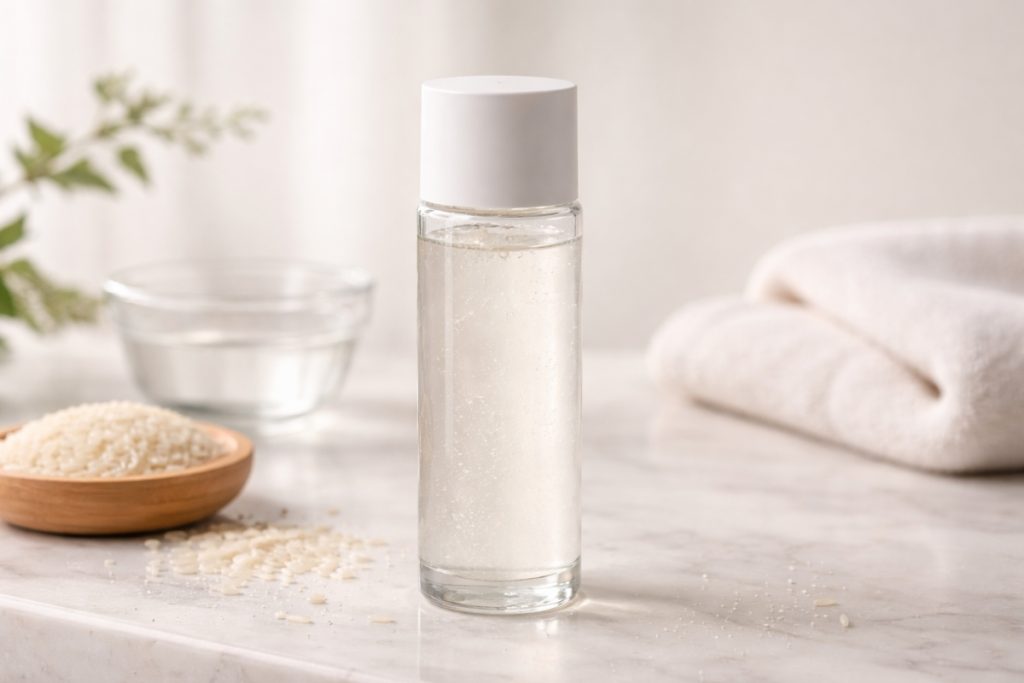
If the word “toner” still makes you think of something sharp and stinging, that version of skincare is long gone. Today, a toner is applied right after cleansing to restore moisture, support your skin’s natural pH balance, and prep the surface so everything you apply next actually absorbs properly. For sensitive skin especially, this step is worth keeping because even the gentlest cleanser can leave your skin feeling slightly off-balance.
What Makes Rice Toner a Hydrating Toner
Not every toner is here to hydrate. Some are designed to exfoliate, others to control oil. Rice toner does neither of those things, and that is exactly why it tends to suit sensitive skin so well. It sits between your cleanser and your serum or moisturiser, doing one job consistently: putting moisture back into the skin without adding heaviness or irritation.
Here is what makes it stand out:
- Absorbs quickly with no sticky or heavy finish
- Focuses on moisture balance, not exfoliation or oil control
- Gentle enough for both morning and evening use
- Fits naturally into simple, no-fuss routines
What Is Fermented Rice Toner and How Is It Different
When rice goes through fermentation, its compounds break down into smaller molecules that your skin can absorb more easily and with less risk of irritation. What is left behind is called rice ferment filtrate, a nutrient-rich liquid packed with amino acids and antioxidants that genuinely support skin hydration and comfort.
Think of a fermented rice toner as a more refined version of a basic rice water toner. The benefits are more concentrated, and because fermented ingredients tend to be gentler on the skin, it is a smart choice for anyone whose skin does not play well with stronger actives.
Why Rice Toner Works Well for Sensitive Skin
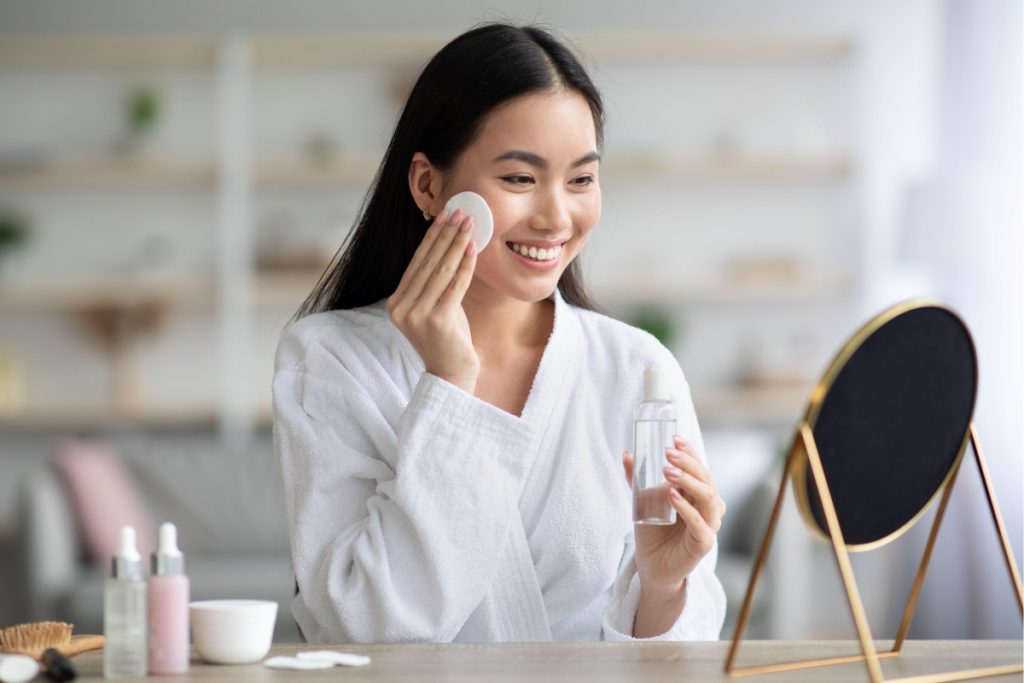
Sensitive skin needs hydration but reacts to so many products designed to provide it. Alcohol strips the barrier, synthetic fragrance triggers redness, and harsh actives push reactive skin over the edge.
Rice toner sidesteps all of that with fragrance-free, alcohol-free formulas built around gentle ingredients like amino acids, beta-glucan, and rice bran extract that strengthen the skin barrier rather than provoke it. It absorbs effortlessly, leaves no sticky residue, and feels comfortable on skin that is already doing its best to stay calm.
Using Rice Toner in Singapore’s Climate
Living in Singapore means your skin is constantly adjusting. Step outside and the heat and humidity open up your pores, increase sebum, and leave skin feeling slick and overwhelmed. Step back indoors and the air conditioning immediately pulls moisture out, leaving sensitive skin tight, dry, and reactive. It is a cycle that happens every single day, and your skin barrier takes the hit every time.
Why a Lightweight Hydrating Toner Makes Sense Here
A hydrating rice toner Singapore routines benefit from is one that restores moisture without adding weight. In humid conditions, heavy products feel suffocating and can cause congestion.
A rice toner for sensitive skin Singapore users will appreciate sits lightly on the skin, replenishing what the environment takes without making warm weather feel worse.
A fermented rice toner is particularly effective here because it helps restore skin comfort quickly when moving between outdoor heat and cold indoor air.
What to Avoid in a Toner If You Have Sensitive Skin in Singapore
Choosing the wrong toner in this climate can make sensitive skin significantly worse. Here is what to steer clear of:
- Alcohol-based formulas: these accelerate moisture loss, especially in air-conditioned spaces
- Synthetic fragrance: adds unnecessary irritation risk when skin is already stressed by heat and humidity
- High-concentration acids: AHAs and BHAs at strong percentages are too harsh for daily use on reactive skin
A gentle toner for sensitive skin Singapore weather demands is one that focuses on comfort and hydration, nothing more.
What to Look For in a Rice Toner for Sensitive Skin

Key Ingredients That Benefit Sensitive Skin
The ingredient list tells you everything. For sensitive skin, look for a formula built around these:
- Rice ferment filtrate: supports hydration and overall skin balance
- Amino acids: help the skin retain moisture and stay soft
- Glycerin: a reliable humectant that draws water to the skin surface
- Hyaluronic acid or sodium hyaluronate: delivers layered, lasting hydration
- Ceramides: reinforce the skin barrier and protect against moisture loss
Hydrating Toner vs. Exfoliating Toner
This is a distinction worth understanding before you buy. Hydrating toners, which is the category rice toner belongs to, are moisture-focused, gentle, and safe for daily use. Exfoliating toners contain AHAs, BHAs, or PHAs designed to remove dead skin cells, and while they have their place in a routine, they carry a higher risk of sensitivity and are not meant for everyday application.
For sensitive skin, the best moisturizing toner for sensitive skin is almost always a hydrating one. It is the safer, more consistent daily choice that your skin can actually rely on.
The ATELO Skin Nutrition Toner: A Rice Toner Formulated for Daily Comfort
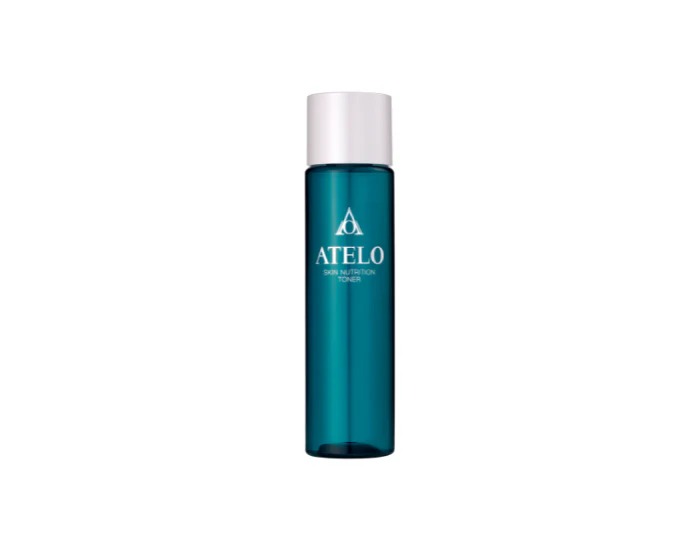
If everything covered in this guide sounds like exactly what your skin needs, the ATELO Skin Nutrition Toner was formulated with that in mind. It is not a product trying to do everything at once. It is a thoughtfully built hydrating rice toner designed to do one thing really well: keep sensitive skin comfortable, balanced, and properly prepared for the rest of the routine.
At the heart of the formula is fermented Japanese rice extract, rich in amino acids, antioxidants, and skin-nourishing nutrients. Paired with atelocollagen, a purified form of collagen that supports hydration and skin comfort without causing irritation, the result is a toner that feels genuinely supportive rather than just surface-level hydrating.
Here is what makes it a strong fit for sensitive skin:
- Fermented Japanese rice extract for hydration, skin balance, and a smoother-looking complexion
- Atelocollagen to support moisture retention and skin softness without irritation
- Lightweight conditioning texture that absorbs quickly and leaves zero stickiness
- Fragrance-free formulation suitable for reactive and easily stressed skin
- Dermatologist tested and clinically guided for safety and efficacy
- Designed to prepare skin for serums and moisturisers, fitting naturally into the layering routine above
It is the kind of rice toner that Singapore sensitive skin routines have genuinely been missing, simple, science-backed, and built for daily use in a climate that does not make skincare easy.
How to Layer Rice Toner Into Your Skincare Routine
Layering products in the right order is what makes a skincare routine actually work. For sensitive skin, it also prevents overload. Each step prepares the skin for the next without pushing it past its limit. Here is a simple routine order that works well with a rice toner.
Step 1: Cleanse
Start with a gentle, non-stripping cleanser to remove sunscreen, oil, and daily impurities. Avoid anything too harsh at this stage because a compromised skin barrier before toner means less benefit from every step that follows.
Step 2: Apply Your Rice Toner
Apply your rice toner to slightly damp skin right after cleansing. Damp skin absorbs the product more effectively than completely dry skin. Pour a small amount into your palms and pat it gently into the face, or use a cotton pad if you prefer. The patting method tends to be more hydrating. Allow it to absorb fully before moving on.
Step 3: Serum
With a hydrated base in place, your serum spreads more evenly and absorbs more efficiently. For sensitive skin, keep this step simple. One targeted serum is enough. Layering multiple actives on reactive skin is one of the fastest ways to undo the calm your toner just created.
Step 4: Moisturiser
Follow with a moisturiser to seal in the hydration from the previous steps. This layer supports your skin moisture barrier and keeps skin comfortable throughout the day or through the night.
Step 5: Sunscreen (Morning Routine Only)
Finish your morning routine with SPF. Singapore’s year-round sun exposure means UV damage is a daily concern, and it is one of the key contributors to sensitivity, dullness, and uneven skin tone over time. Sunscreen is non-negotiable.
7 Skin Method: Is It Right for Sensitive Skin?
The 7-skin method is a Korean skincare technique that involves applying toner in multiple thin layers, typically up to seven, to build deep hydration gradually. Each layer is patted in gently and allowed to absorb before the next is applied.
For sensitive skin, the answer is yes, with some caution. Start with two to three thin layers and pay attention to how your skin responds before adding more. A lightweight rice toner that absorbs quickly and leaves no residue is ideal for this method since heavier formulas can cause buildup and congestion with repeated layering.
Used correctly, it is one of the simplest ways to give sensitive skin a meaningful boost of hydration without introducing any new actives or complicated steps.
Who Should Consider Adding a Rice Toner to Their Routine

Rice toner is not a one-skin-type product. It works across a range of concerns, and it is especially suited to anyone who wants real results without overcomplicating their shelf.
1. Sensitive or easily irritated skin
Rice toner hydrates without any harsh actives, making it a genuinely safe daily step that your skin can handle morning and night without pushback.
2. Skin that feels tight right after cleansing
That uncomfortable, almost squeaky-clean feeling after washing is your skin asking for moisture. Rice toner answers that immediately and brings things back to comfortable.
3. Minimal routine lovers
If your ideal routine is five steps or fewer, rice toner slots in effortlessly. No complicated instructions, no layering anxiety, just a simple step that earns its place.
4. Dull or uneven-looking skin
When skin is consistently hydrated, it reflects light better and looks more alive. Over time, fermented rice ingredients help support a complexion that looks refreshed and more even without you having to work too hard for it.
Frequently Asked Questions About Rice Toner for Sensitive Skin
Is rice toner suitable for sensitive skin?
Yes. When formulated without fragrance and alcohol, rice toner is one of the gentler toner options available. It hydrates without disrupting the skin barrier or triggering irritation. As with any new product, a patch test before full application is always a good idea.
What toner is best for sensitive skin?
Look for a hydrating toner, not an exfoliating one. The best moisturizing toner for sensitive skin is fragrance-free, alcohol-free, and built around a short, recognisable ingredient list. Key ingredients to look for include rice ferment filtrate, amino acids, and ceramides. These are strong signals that a formula has been designed with skin comfort in mind.
What are the disadvantages of rice toner?
Rice toner is a hydration step, not a treatment. It will not address acne, pigmentation, or textural concerns on its own. Results also build gradually with consistent use rather than showing up overnight. Some highly reactive skin types may respond to certain rice proteins, which is another reason why patch testing before committing to full use is always worthwhile.
Does rice toner help with hyperpigmentation?
It can support a more even-looking complexion over time. Fermented rice ingredients help maintain hydration and skin balance, which contributes to a healthier-looking skin surface. That said, rice toner alone is not a targeted hyperpigmentation treatment and works best as part of a broader routine.
Is rice safe for sensitive skin?
Generally, yes. Rice extract and fermented rice filtrate are well-tolerated by most skin types, including sensitive skin. The fermentation process breaks nutrients down into gentler, more absorbable forms, which reduces the likelihood of irritation. As with all new skincare products, a patch test is the smartest first step.
Final Thoughts on Rice Toner for Sensitive Skin Singapore
Sensitive skin does not need a complicated routine. It needs the right steps, done consistently. A rice toner for sensitive skin is exactly that kind of step: gentle, lightweight, and focused on keeping skin hydrated and comfortable without asking too much of it.
In Singapore, where the daily shift between outdoor humidity and air-conditioned spaces puts constant pressure on the skin barrier, having a calming toner in your routine is not a luxury. It is one of the most practical things you can do for your skin. Cleanse, tone, treat, moisturise, and protect. That simple order, repeated daily, is where real skin health is built.
If you are looking for a rice toner that brings all of this together, the ATELO Skin Nutrition Toner is worth exploring. Formulated with fermented Japanese rice extract and atelocollagen, it is designed for exactly the kind of gentle, consistent daily care that sensitive skin responds to best.