
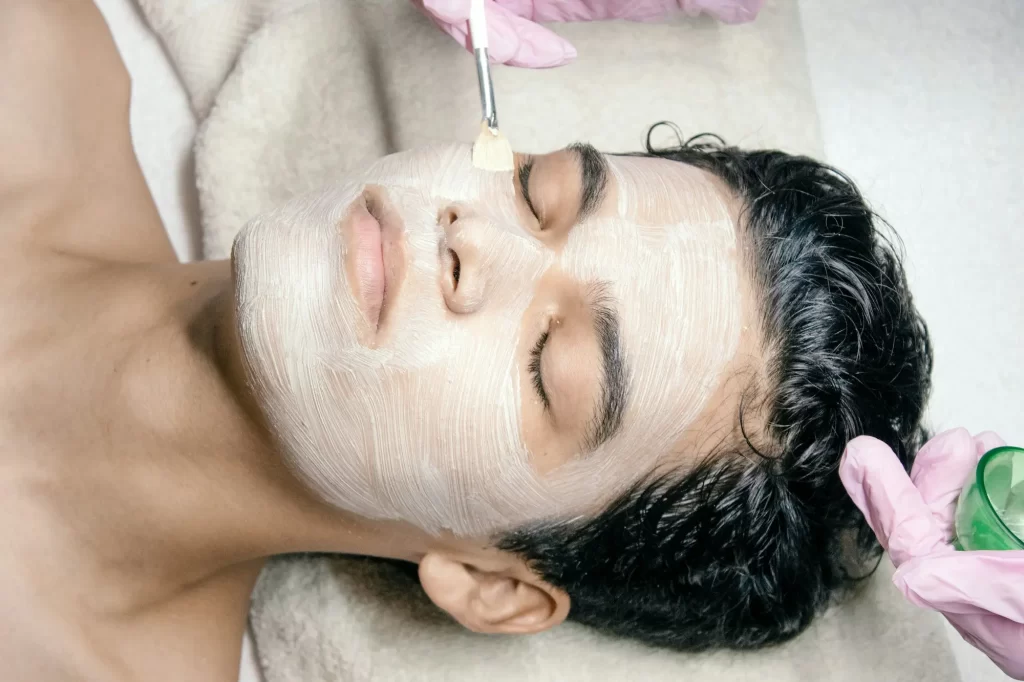
A sleeping mask is an overnight treatment product designed to be applied as the last step in an evening skincare routine and left on the skin throughout the night. Unlike a standard moisturiser, which is formulated for daily wear and feel, a sleeping mask is designed to deliver a concentrated dose of hydrating and active ingredients over the extended hours of sleep, when the skin’s absorption and repair processes are most active.
Originating in Korean beauty, this product has since become a mainstream staple in sleeping mask skincare. Understanding how they work and where they fit into a sleeping mask routine helps you decide whether one deserves a place in yours. If you are exploring the world of sleeping mask skincare, read on for our ultimate guide.
How Sleeping Masks Work
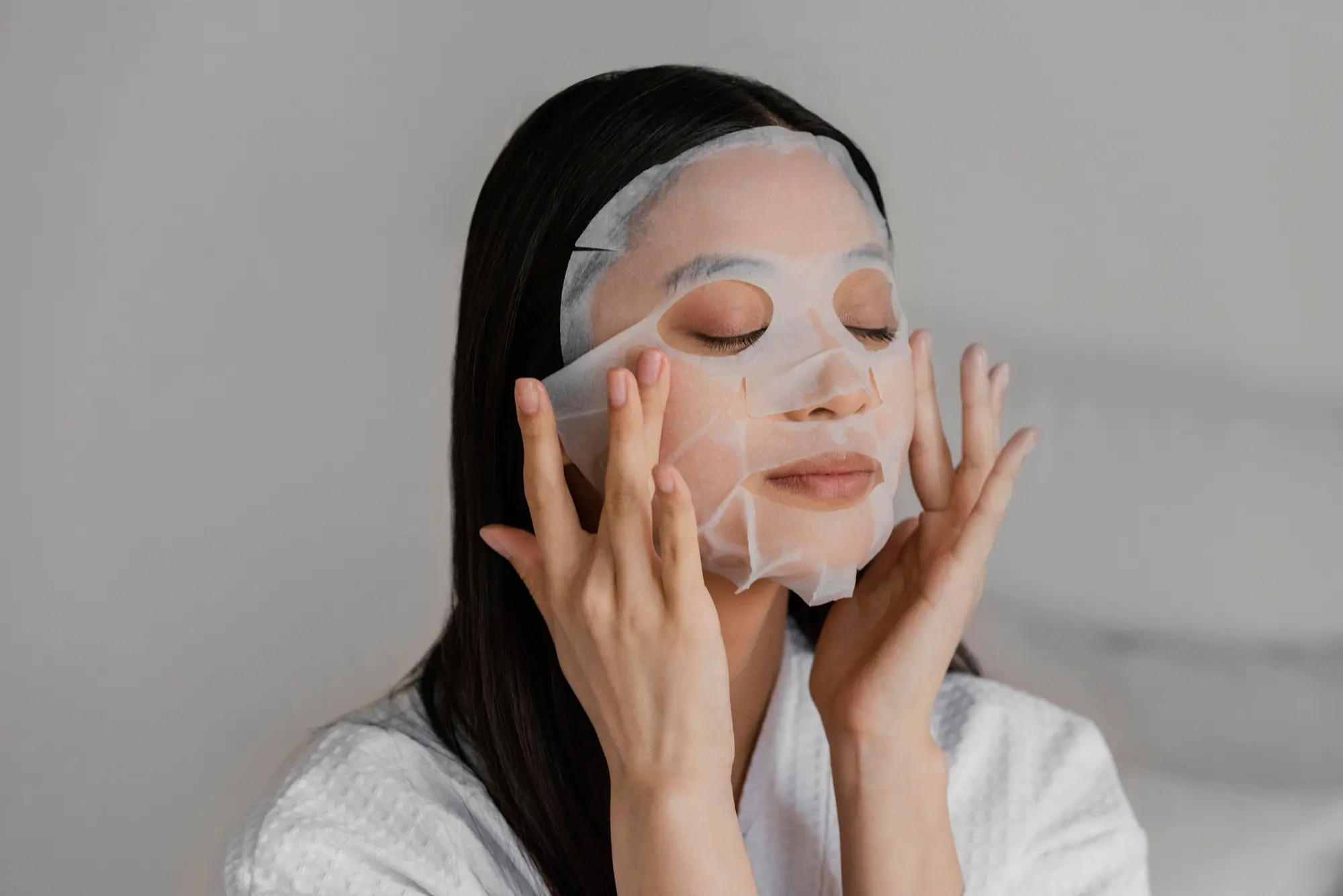
In the realm of sleeping mask skincare, these treatments work through two main mechanisms:
-
Occlusive sealing: Most sleeping masks have an occlusive quality that forms a semi-permeable layer over the skin surface. This layer slows transepidermal water loss significantly over the hours of sleep, keeping the hydration from your evening routine locked in much more effectively than a standard moisturiser. The result is skin that wakes up visibly plumper and more comfortable.
-
Extended active delivery: Because a sleeping mask is in contact with the skin for seven to nine hours rather than the short window of a sheet mask or a leave-on product in the evening before bed, active ingredients have more time to interact with the skin. Hydrating ingredients like hyaluronic acid, glycerin, and panthenol continue working throughout the night, replenishing moisture reserves more thoroughly than is possible in a shorter contact window. (For more on optimising your nighttime application, read our guide on Morning vs Evening Routine).
Overnight Mask vs Moisturiser: What’s the Difference?
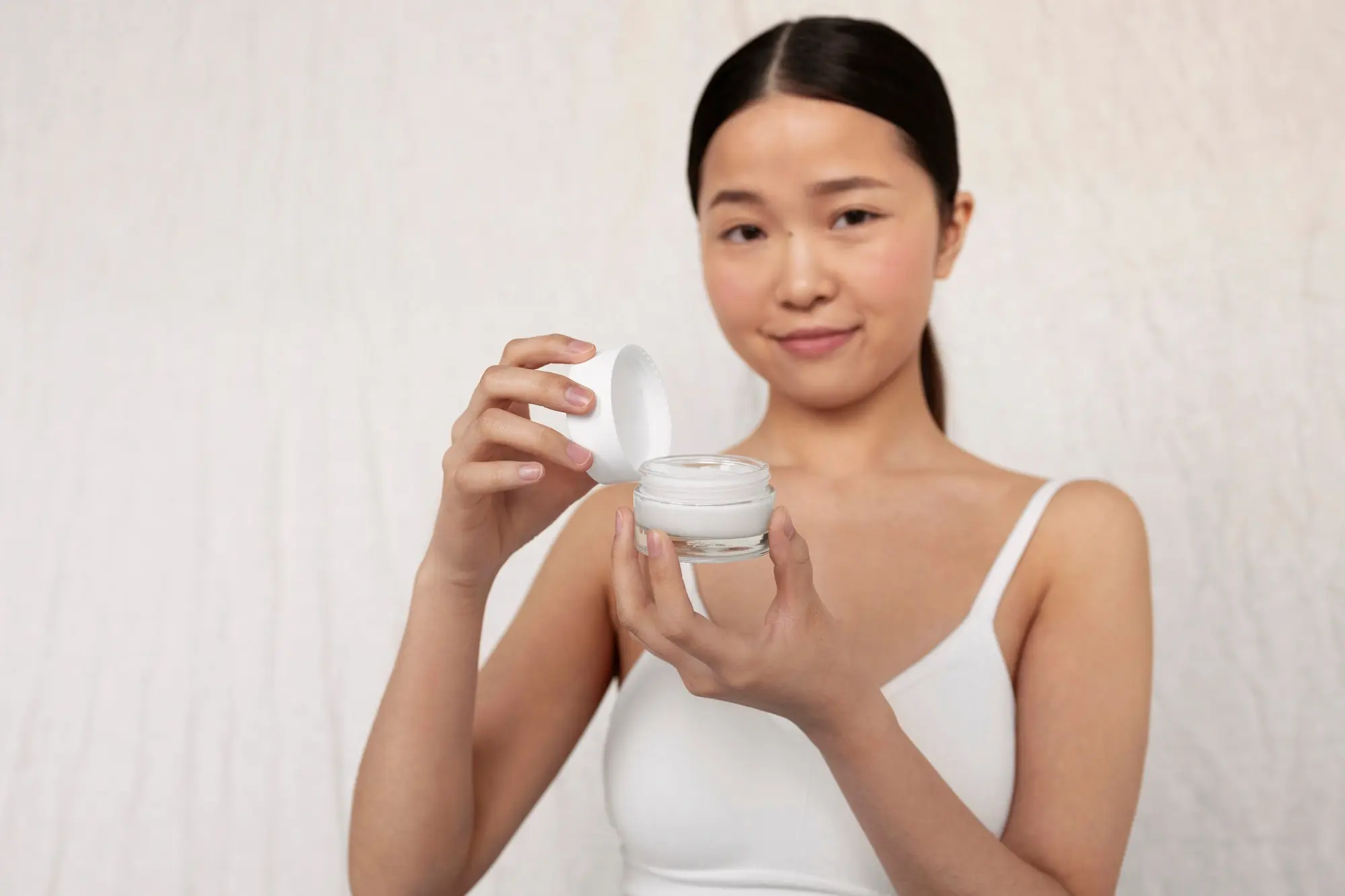
This is the most common question in sleeping mask skincare, and the distinction is more practical than chemical.
-
Regular moisturisers are formulated for daily use and feel. They are designed to absorb relatively quickly, feel comfortable for the hours before sleep, and layer well under daytime products. Their concentration of active ingredients is calibrated for regular use without over-treating the skin.
-
Sleeping masks are formulated specifically for the overnight window. They tend to be richer, more occlusive, and more concentrated in their hydrating or active ingredient content. Many sleeping masks also contain calming or repair-supporting ingredients that benefit from the extended overnight contact time.
The practical difference in sleeping mask skincare is that a sleeping mask is an occasional intensive treatment, used one to three times a week in place of the regular moisturiser, not in addition to it. The richness and occlusion that make sleeping masks effective overnight would be impractical for daily wear under SPF or through a working day.
Who Enjoys the Most Sleeping Mask Benefits?
Implementing sleeping mask skincare is particularly useful for:
-
Dry or very dehydrated skin that struggles to maintain moisture overnight. (See our Skincare Routine for Dry Skin for targeted tips).
-
Skin that feels depleted after air conditioning, travel, or a demanding week.
-
Skin recovering from a compromised barrier that needs additional overnight moisture support.
-
Mature skin that has slower overnight cell turnover and reduced natural lipid production.
-
People who wake up with tight, uncomfortable skin despite a regular evening routine.
-
Anyone preparing for or recovering from a special event where skin needs to look its best.
How to Use Sleeping Mask Treatments in Your Routine
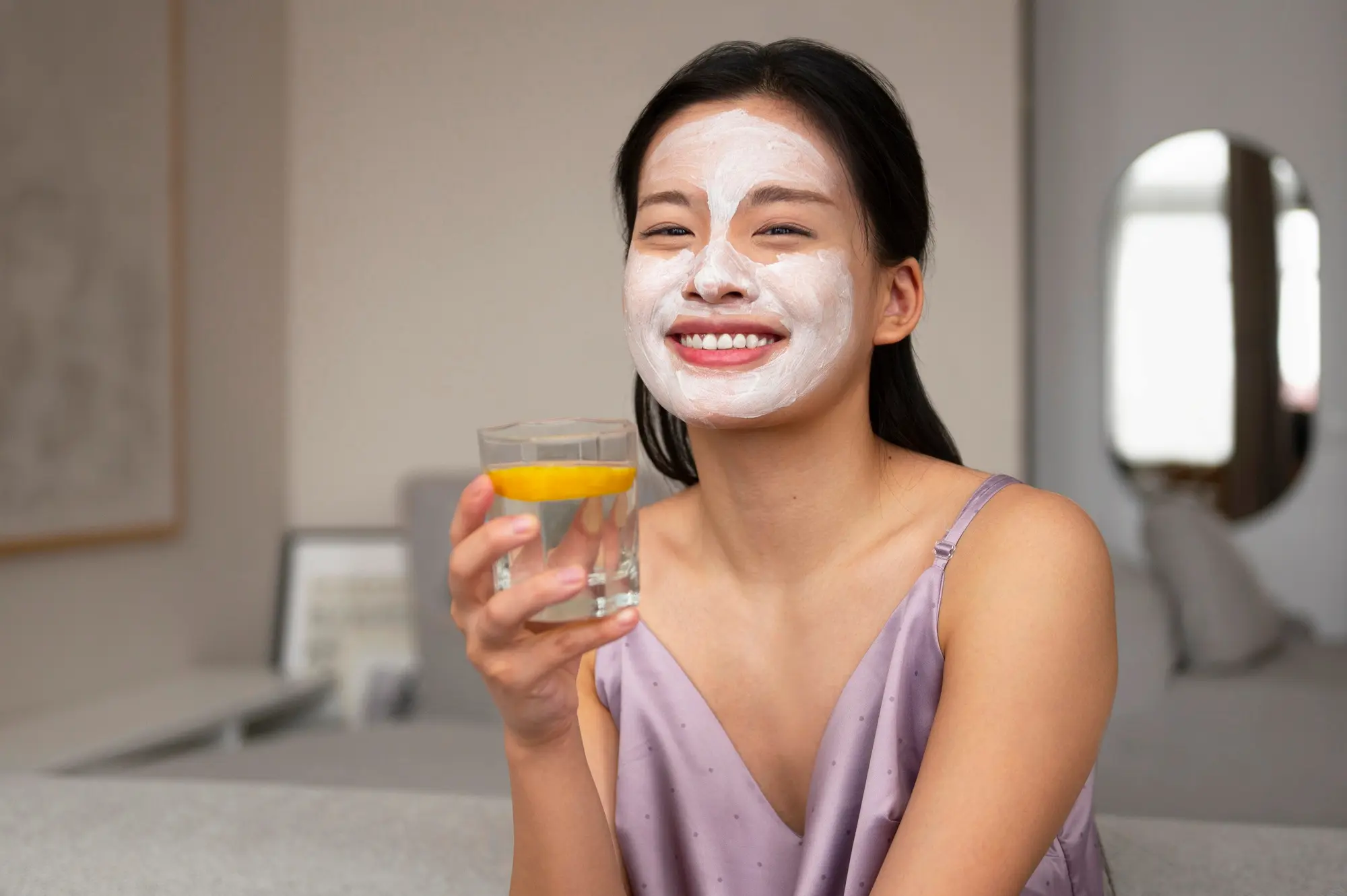
The placement of this product in a sleeping mask routine is straightforward: it replaces your regular moisturiser on the nights you use it. The correct sequence in sleeping mask skincare is:
-
Cleanse thoroughly in the evening (double cleanse if you wore SPF).
-
Apply hydrating toner.
-
Apply any treatment serum.
-
Apply the sleeping mask as the final step, replacing your regular moisturiser.
-
Leave on overnight and rinse off in the morning with your regular cleanser.
Apply the product to slightly damp skin, pressing gently rather than rubbing to avoid disrupting the previous layers. Use enough product to coat the full face evenly.
How Often Should You Use a Sleeping Mask?
For most skin types engaging in sleeping mask skincare, one to three times a week is appropriate. More frequent use can make the skin reliant on the intensive hydration boost rather than supporting its own barrier function, and the concentrated nature of most sleeping masks means daily use is unnecessary for most people. Use more frequently during periods of increased skin stress: air travel, illness, seasonal transitions, or after introducing a new active ingredient that has temporarily compromised the barrier.
Sleeping Masks and Treatment Masks: Understanding the Overlap
In sleeping mask skincare, it is helpful to differentiate product formats. Some treatment masks, including the Atelo Amine Mask, operate in a similar space but with a different application window. The Amine Mask is a 15-minute concentrated treatment that delivers active and hydrating ingredients through direct skin contact, then is removed. This is distinct from a sleeping mask in duration but shares the goal of intensive, concentrated treatment beyond what the daily routine delivers. (More about Sheet Mask vs Cream Mask guide here).
Both have their place in a weekly routine. A 15-minute treatment mask provides an immediate, targeted reset. A sleeping mask delivers sustained overnight hydration. For skin that needs consistent intensive support, alternating between the two across different evenings of the week can provide comprehensive treatment coverage.
Frequently Asked Questions (FAQs)
What is a sleeping mask and how is it different from a regular moisturiser?
A staple of sleeping mask skincare, a sleeping mask is an overnight treatment product applied as the final step in the evening routine and left on throughout the night. Unlike a regular moisturiser, which is formulated for daily wear and designed to absorb comfortably before sleep, a sleeping mask is richer, more occlusive, and more concentrated in hydrating or active ingredients. It works by sealing the skin against transepidermal water loss for the full hours of sleep, delivering hydration and active benefits over a longer contact window than any other topical skincare step provides. It is used in place of, not in addition to, the regular moisturiser on the nights it is applied. When evaluating an overnight mask vs moisturiser, remember that a sleeping mask acts as an occasional, intensive boost.
What are the benefits of using a sleeping mask?
The main sleeping mask benefits highlighted in sleeping mask skincare include deeper overnight hydration through occlusive sealing that significantly reduces water loss during sleep, and extended active ingredient delivery over the full hours of sleep when the skin’s repair and renewal processes are most active. It provides visibly plumper and more comfortable skin on waking for people with dry or dehydrated skin, and offers additional barrier support during periods of skin stress, such as after barrier-disrupting actives, travel, or environmental exposure. Results from sleeping mask skincare are most visible in the morning immediately after use, though consistent use two to three times a week produces cumulative improvements in skin hydration and surface comfort.
How often should you use a sleeping mask in your skincare routine?
When building a sleeping mask routine, most skin types benefit from using the product one to three times a week. Using it more frequently than this is generally unnecessary and may make the skin overly reliant on the intensive hydration boost rather than maintaining its own barrier function. The right frequency for sleeping mask skincare depends on how dry or depleted your skin tends to feel: skin that wakes up consistently tight or uncomfortable despite a regular evening routine may benefit from two to three applications weekly, while skin that is generally comfortable and balanced can use a sleeping mask once a week as maintenance or on demand during periods of extra stress or depletion.