
If you have spent any time researching skincare, you have likely come across the phrase “skin barrier.” It appears on product labels, in dermatology articles, and across social media. But what is skin barrier exactly, and why does it matter so much?
This guide breaks it down clearly, covering what the skin barrier does, how it gets damaged, and what you can do to protect and support it.
What Is Skin Barrier?
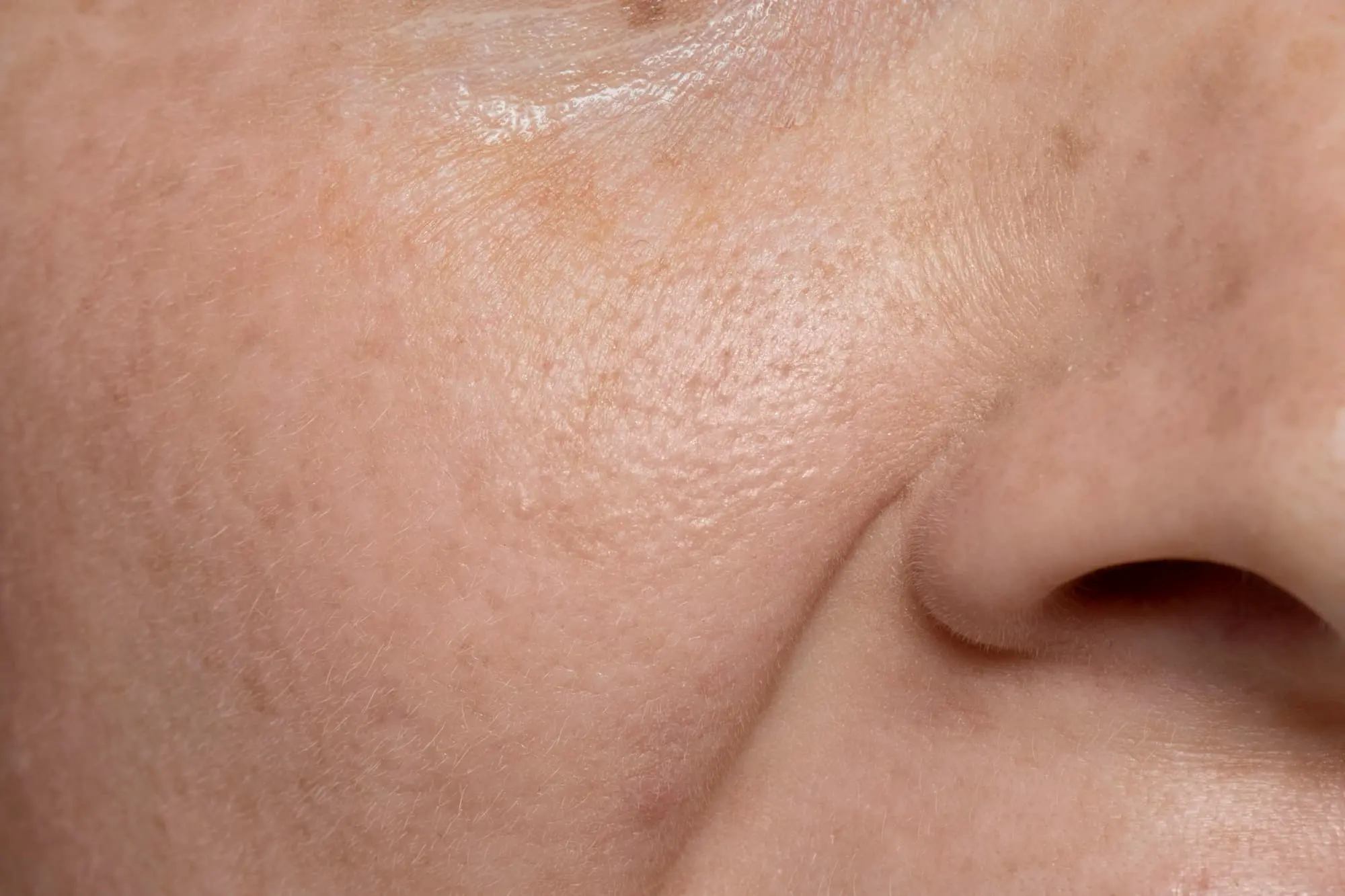
The skin barrier, also known as the “stratum corneum”, is the outermost layer of the skin. Think of it like a wall made of cells (called corneocytes) held together by lipids, which are the skin’s natural fats. These lipids include ceramides, cholesterol, and fatty acids that form a matrix between the cells.
This structure has two main jobs:
- Keeping moisture inside the skin so it stays hydrated
- Keeping environmental aggressors such as pollution, bacteria, and irritants out
When the skin barrier is intact and healthy, skin looks plump, smooth, and even. When it is compromised, all sorts of problems begin to emerge.
Why the Skin Barrier Is So Important
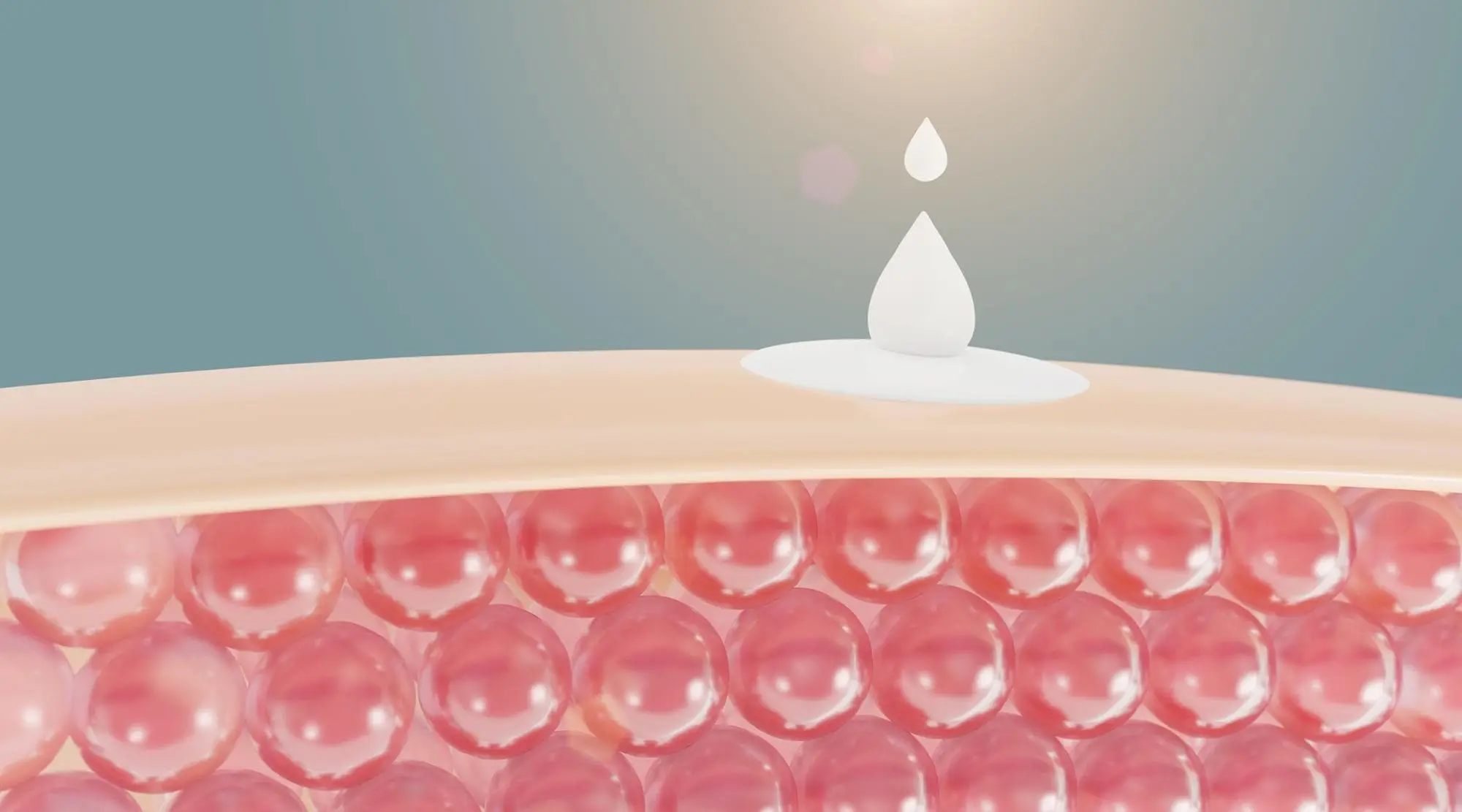
The skin barrier is your first line of defence against the outside world. Without a functioning barrier, the skin cannot maintain adequate moisture levels. Water evaporates too quickly from the surface in a process called transepidermal water loss (TEWL), leaving skin feeling dry, tight, and sometimes rough to the touch.
Beyond hydration, a compromised barrier makes the skin more reactive and vulnerable. Ingredients that would normally cause no reaction can suddenly feel stinging or irritating. This is why people with a damaged skin barrier often find that their usual skincare products no longer work as well or start causing discomfort.
Signs of a compromised skin barrier
The skin sends clear signals when the barrier is not functioning well. Common signs include:
- Persistent dryness that does not improve with moisturiser
- Skin that feels tight or stings after cleansing
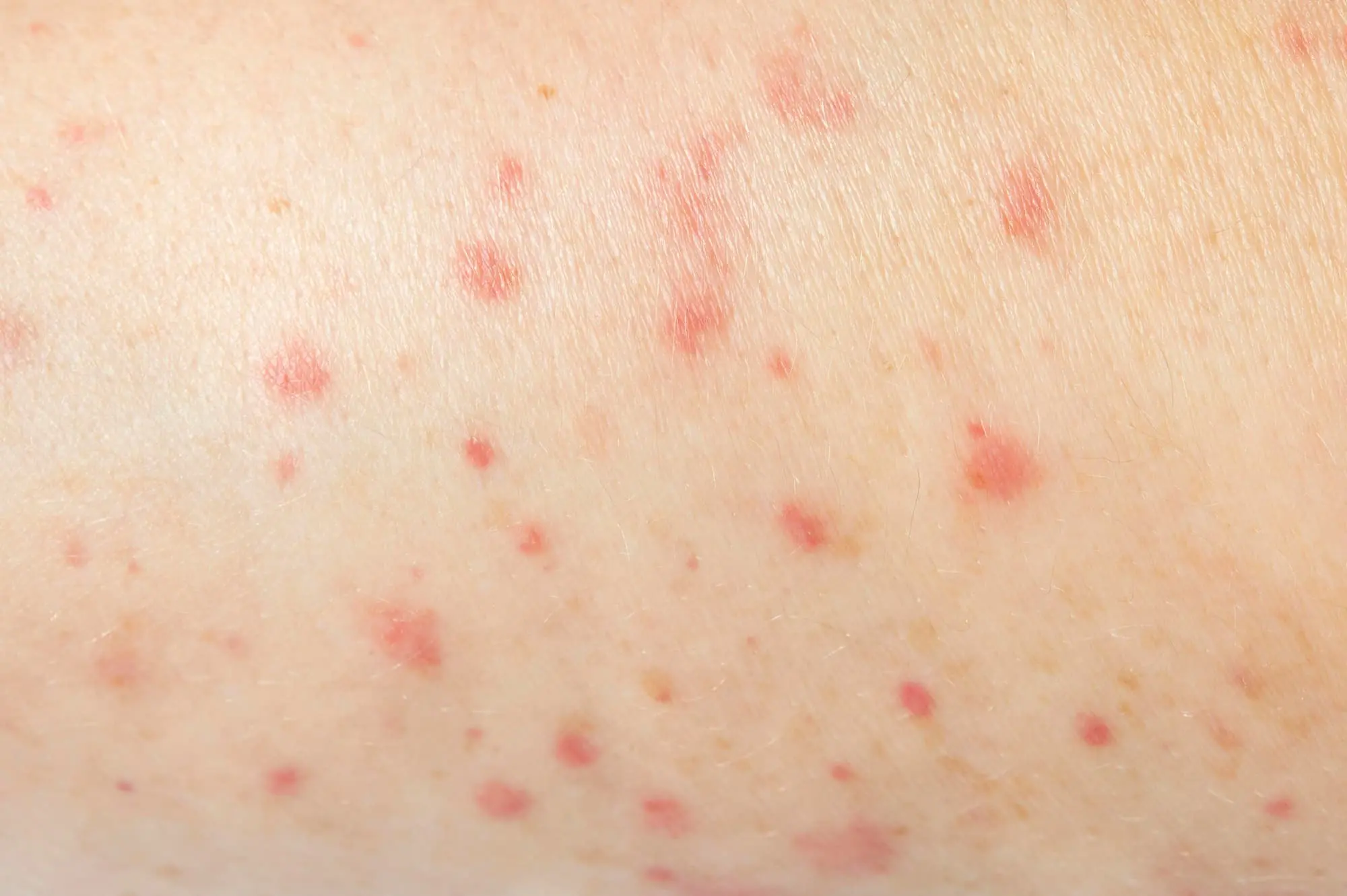
- Redness or patches of irritation
- Increased sensitivity to products you have used before without issue
- Flakiness or rough texture
- Breakouts that appear in unusual places or are slow to heal
What Damages the Skin Barrier?
There are many factors that can weaken the skin barrier over time. Some are lifestyle-related, some are product-related, and some are environmental.
Over-cleansing and harsh products
Using cleansers with high alkalinity or cleansing too frequently strips the skin of its natural lipids. Soaps, in particular, have a pH that is much higher than the skin’s natural pH of around 4.5 to 5.5, and repeated use can disrupt the acid mantle that sits on top of the barrier.
Exfoliating too often
Chemical and physical exfoliants are useful tools, but using them too frequently or at too high a concentration removes surface cells faster than the skin can replace them. This leaves the barrier thinner and more fragile.
Environmental factors
Pollution, UV radiation, and changes in temperature all stress the skin barrier. In Singapore specifically, the humidity outdoors contrasted with the dry, air-conditioned environments indoors means the skin is constantly adjusting to different conditions, which can weaken the barrier over time.
Using incompatible ingredients
Layering potent actives without the right buffer steps, or mixing ingredients that do not work well together, can lead to irritation and barrier disruption. For example, using retinol alongside a high-concentration acid without proper buffering can be too much for the skin to handle.
The Role of pH in Skin Barrier Health
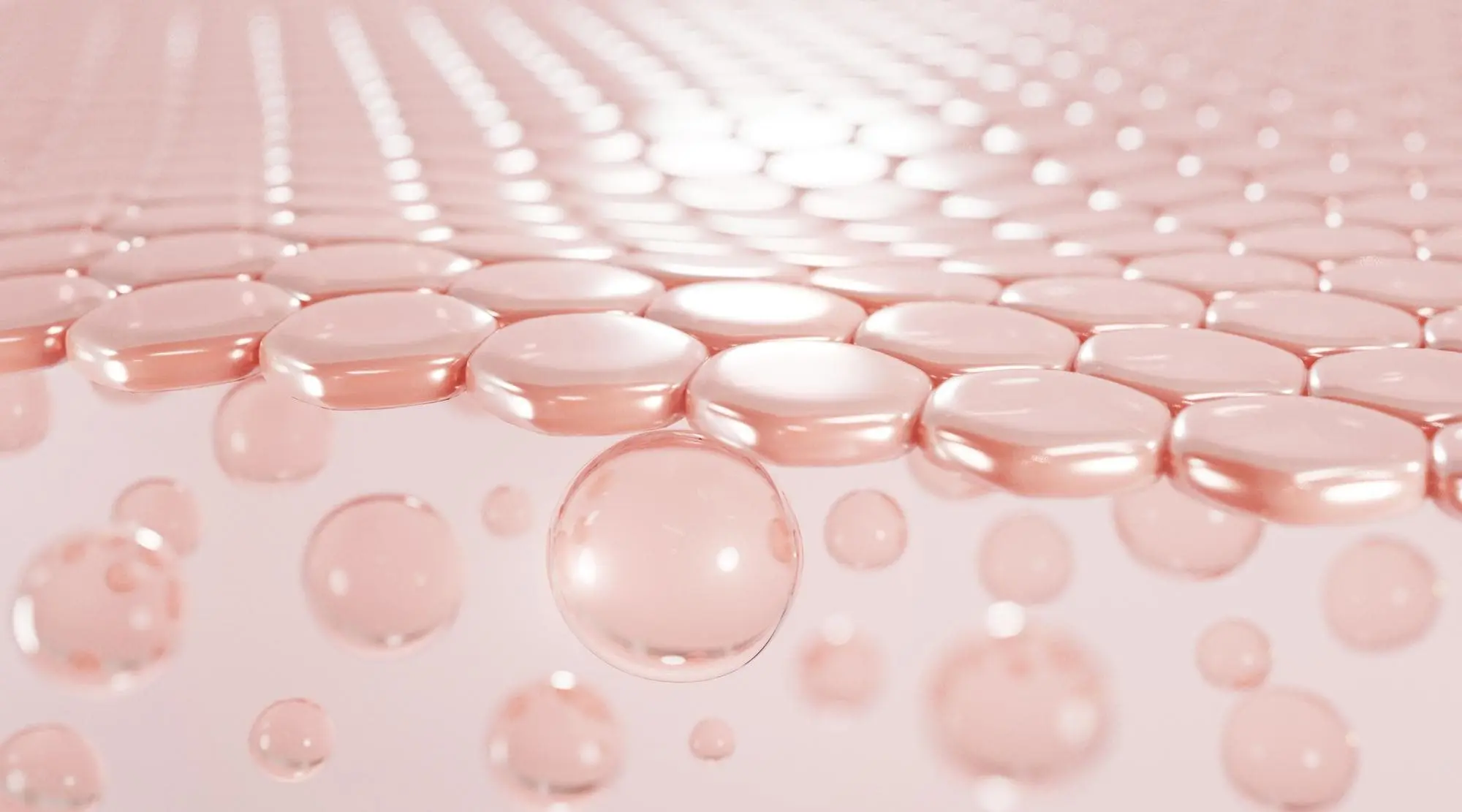
The skin’s surface has a slightly acidic pH, typically between 4.5 and 5.5. This is sometimes called the acid mantle. The acidic environment is important for several reasons: it supports the enzymes that help the skin produce ceramides, it helps regulate the microbiome (the community of microorganisms on the skin surface), and it inhibits the growth of harmful bacteria.
When you use products with a pH that is too high or too low, it disrupts this acid mantle and creates an environment where the barrier cannot function properly. This is one reason why pH-balanced formulas are preferred for daily use, particularly for cleansers and toners that sit on the skin at a stage when pH matters most.
The Atelo Vital pH Gel is designed to support a stable skin surface and maintain comfort, which can help keep the skin environment within a healthy range for barrier function.
How the Skin Barrier Relates to Ageing

As the skin ages, the barrier naturally becomes less efficient. Ceramide production slows down, the skin loses lipids more easily, and the turnover of skin cells slows. This is one reason mature skin tends to be drier and more sensitive than younger skin.
Supporting the skin barrier through targeted skincare becomes increasingly important with age. Formulas that include ceramides, fatty acids, and ingredients that support skin structure can help compensate for the natural changes that occur over time.
How Atelocollagen Relates to Barrier Support
Atelocollagen is a highly purified form of collagen that is well-tolerated by skin. It is found in Atelo’s formulations as a skin-support ingredient. While it works primarily on the structural aspects of skin, maintaining a good skin framework helps the overall appearance of healthy, resilient skin. When the skin is structurally supported, surface hydration and barrier integrity tend to be better maintained.
How to Protect and Support Your Skin Barrier Daily
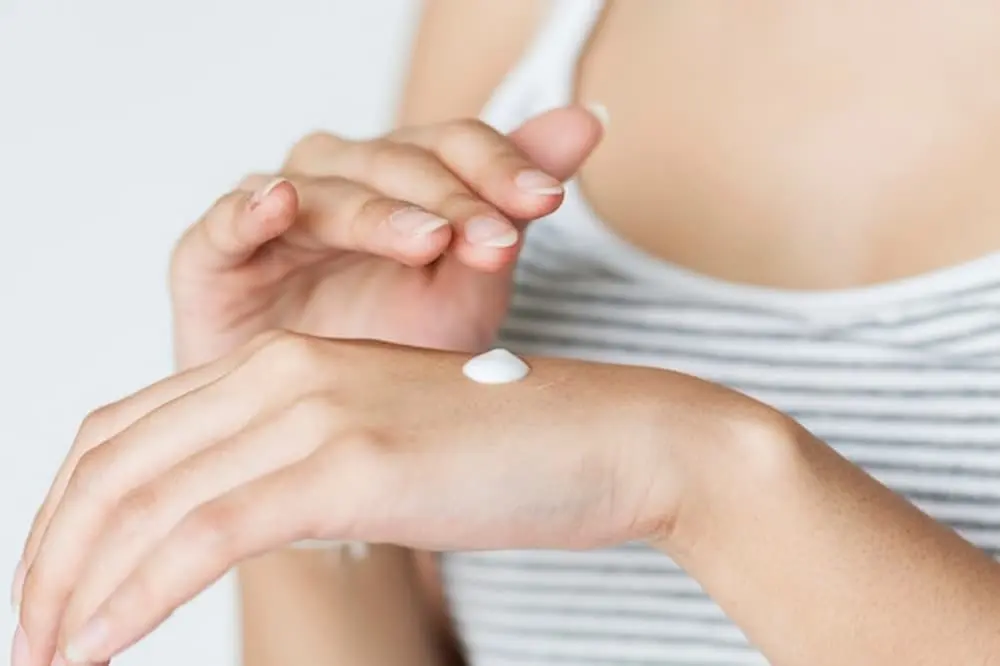
Supporting the skin barrier does not require an elaborate routine. In fact, simplifying a routine that has become too aggressive is often the most effective first step.
Use gentle, pH-balanced products
Start with a cleanser that does not strip the skin. Look for pH-balanced formulas and avoid soaps or cleansers that leave a squeaky-clean feeling, as this usually means essential oils have been removed.
Layer hydration correctly
Apply a hydrating toner after cleansing, followed by a serum if needed, and then a moisturiser. This layered approach ensures the skin gets hydration at multiple levels.
Limit active ingredients
If your routine includes acids, retinoids, or vitamin C, use them strategically rather than daily if your barrier feels vulnerable. Give the skin time to adapt.
Use SPF every morning
UV exposure weakens the barrier over time. A daily SPF is one of the most protective habits you can build, regardless of skin type or concern.
Be patient
Repairing a damaged skin barrier takes time. Depending on the degree of damage, it can take anywhere from two to eight weeks to see meaningful improvement. During this time, keep the routine simple and focus on gentle, barrier-supporting products.
Barrier Health and Your Skin Long-Term

Understanding what is skin barrier and how it functions gives you a much clearer framework for making skincare decisions. Rather than chasing individual ingredients or the latest product trends, you can evaluate your routine based on whether it supports or disrupts this fundamental protective layer.
Skin that has a healthy, intact barrier is naturally more comfortable, more hydrated, and more resilient to environmental stressors. It is also more responsive to the beneficial ingredients in your routine, because those ingredients can penetrate and function as intended without having to navigate a compromised surface.
Building your skincare practice around barrier health is not a shortcut. It is simply a more effective way to approach skincare for the long term.
Frequently Asked Questions (FAQs)
What is the best skincare routine for dry skin?
The best skincare routine for dry skin follows a layered approach: cleanse with a gentle, pH-balanced cleanser, apply a hydrating toner, follow with a humectant-rich serum (look for hyaluronic acid or panthenol), seal with a cream-based moisturiser, and finish with SPF in the morning. In the evening, swap SPF for a richer night cream or sleeping mask to support overnight repair.
Why does my skin still feel dry even after moisturising?
If your skin still feels dry after moisturising, it could be because you are applying moisturiser to completely dry skin rather than damp skin, using a formula too lightweight for your skin type, over-cleansing with a stripping cleanser, or having a compromised skin barrier that cannot retain moisture effectively. Switching to a richer cream and applying it immediately after your serum on slightly damp skin can make a significant difference.
How long does it take for a skincare routine to work on dry skin?
A skincare routine for dry skin typically takes four to six weeks to show meaningful improvement. This aligns with the skin’s natural cell turnover cycle, which occurs roughly every four weeks. You may notice your skin feels more comfortable within a few days of using well-formulated hydrating products, but visible texture and tone improvements take at least one full skin cycle to evaluate fairly.
Is toner necessary for dry skin?
Yes, toner is especially beneficial for dry skin. A hydrating toner replenishes initial moisture right after cleansing, preps the skin to absorb subsequent products more effectively, and helps restore the skin’s surface condition. Choose water-based, alcohol-free formulas with soothing ingredients and avoid astringent toners, which can worsen dryness and irritation.
What skincare ingredients are best for dry skin?
The most effective skincare ingredients for dry skin include hyaluronic acid (draws moisture into the skin), panthenol or vitamin B5 (helps skin retain hydration), niacinamide (strengthens the skin barrier), glycerin (a gentle humectant found in cleansers and toners), and atelocollagen (supports skin structure and reduces the appearance of dryness over time). Look for these in your toner, serum, and moisturiser for the most impact.