
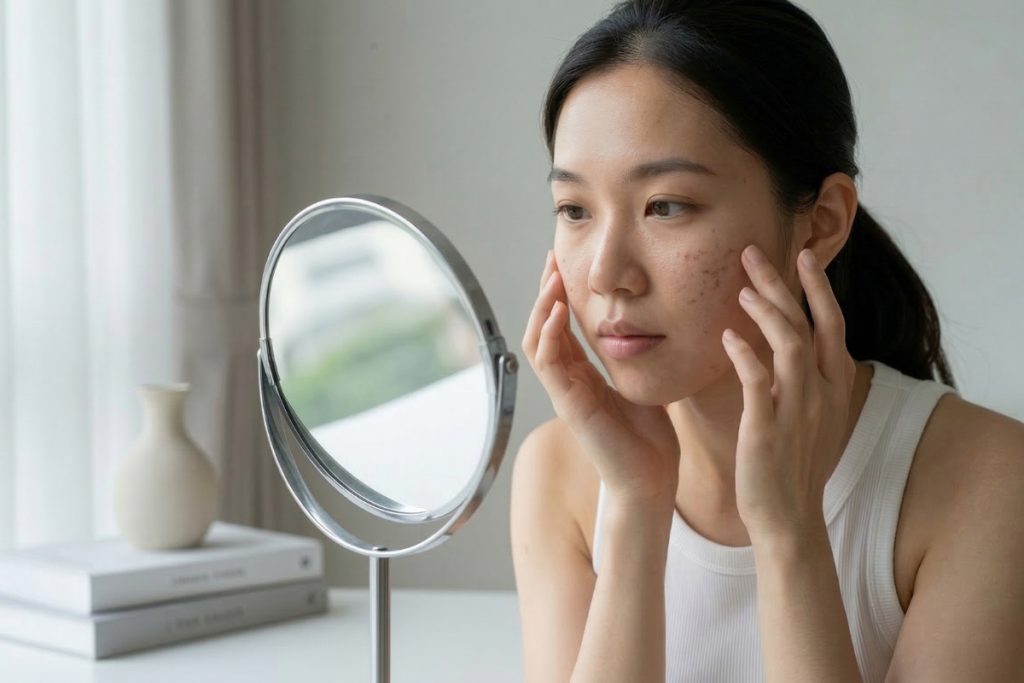
Some skin concerns appear suddenly, and hyperpigmentation is often one of them. A breakout heals, the redness fades, yet a small patch of pigmentation remains, leaving many people wondering why these dark marks seem to linger longer than expected.
The truth is that hyperpigmentation fades gradually as the skin renews itself over time. In this article, we explore why pigmentation takes time to fade, what influences the process, and how a consistent routine, supported by gentle skincare from Atelo Singapore, can help maintain clearer and more balanced-looking skin.
What Is Hyperpigmentation?
Hyperpigmentation refers to areas where the skin produces more pigment than the surrounding tone. It usually appears as darker patches, uneven pigmentation, or small spots that stand out against the rest of the complexion.
These marks can appear on different parts of the face and may feel frustrating because they often stay visible longer than expected.
Why Hyperpigmentation Takes Time to Fade
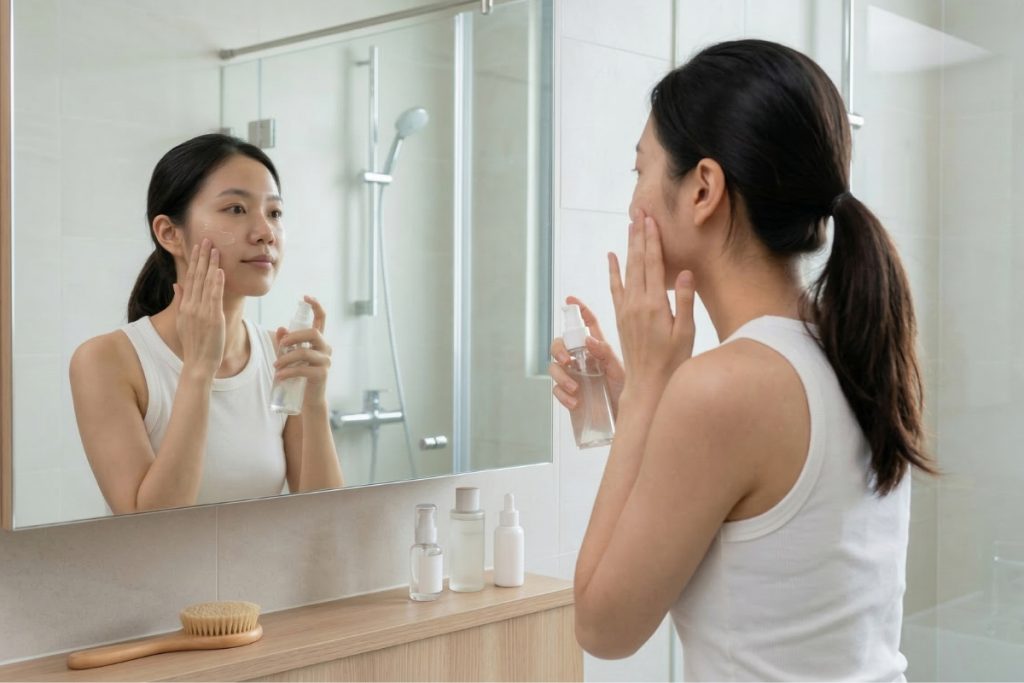
Hyperpigmentation takes time to fade because the skin renews itself in slow cycles. As old skin cells are replaced with new ones, excess pigment gradually moves toward the surface before being shed. This process can take several weeks, which is why dark spots usually soften slowly rather than disappearing overnight.
Several factors can affect how quickly pigmentation improves:
- Skin cell turnover: The skin renews itself in cycles that often take several weeks. Pigmented cells must move through these layers before fading becomes visible.
- Depth of pigmentation: Surface pigmentation may fade sooner, while deeper pigment can take longer to rise through the skin.
- Sun exposure: Ultraviolet rays stimulate melanin production, which can make existing spots appear darker again.
- Skin irritation: Harsh products, over-exfoliating, or inflammation can trigger additional pigment and slow the fading process.
Because of these factors, consistent skincare routines, daily sunscreen, and gentle skin care habits help support gradual improvement in pigmentation over time.
Common Causes of Pigmentation on the Face
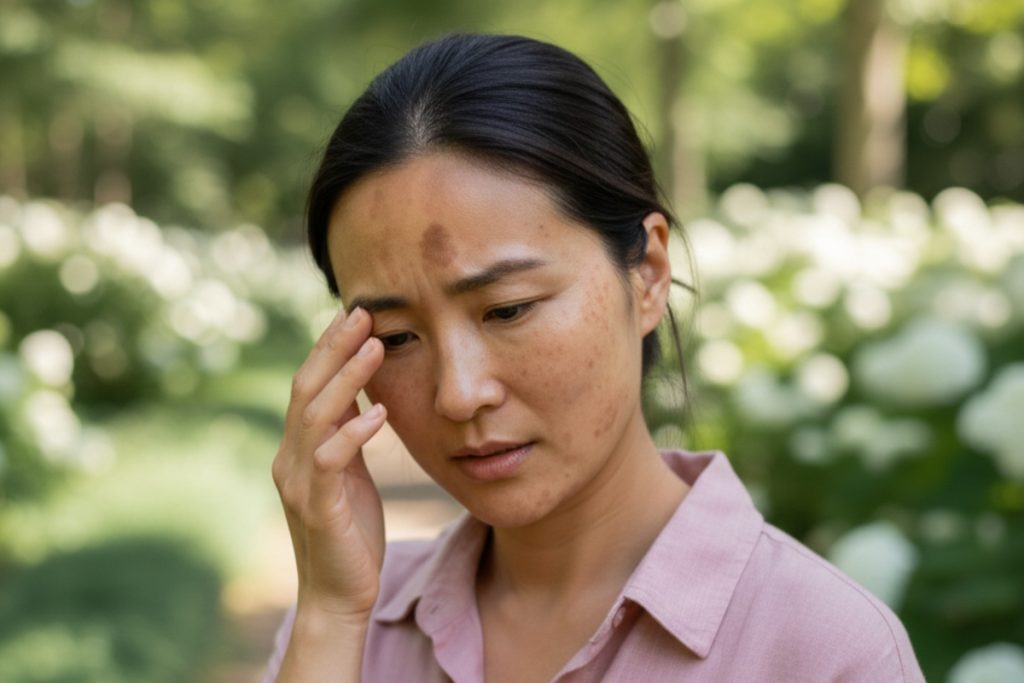
Many people ask what causes pigmentation on face, especially when darker spots appear unexpectedly. In most cases, pigmentation develops when the skin produces extra melanin in response to triggers such as sunlight, inflammation, hormones, or environmental stress.
Sun Exposure
Sun exposure is one of the most common reasons pigmentation appears on the face. Ultraviolet rays stimulate melanin production as the skin tries to protect itself from damage, and repeated exposure can gradually lead to darker spots and uneven pigmentation, especially on areas that receive the most sunlight such as the cheeks, forehead, and nose.
Post-Acne Marks
Pigmentation can also develop after acne heals, a condition known as post-inflammatory hyperpigmentation. When the skin becomes inflamed during a breakout, it may produce additional pigment during the healing process, leaving darker marks that can remain visible even after the acne itself has cleared.
Hormonal Changes
Hormonal shifts can trigger a form of hyperpigmentation called melasma. This type of pigmentation often appears as larger patches on the face and is commonly seen on areas such as the cheeks, forehead, and upper lip, where pigment develops gradually due to hormonal changes in the body.
Heat and Environmental Stress
Heat and environmental stress can also influence how pigmentation forms on the skin. Frequent exposure to high temperatures, pollution, and daily irritation may stimulate pigment activity, which can make uneven pigmentation appear more easily and sometimes take longer to fade.
Types of Hyperpigmentation on the Face
Different types of hyperpigmentation can appear on the face depending on what triggered the pigment changes.
Post-Inflammatory Hyperpigmentation
Dark marks that appear after the skin heals from acne, cuts, or irritation. These spots form when the skin produces extra pigment during the healing process.
Sun Spots
Pigmentation caused by repeated sun exposure over time. They often appear on areas that receive the most sunlight, such as the cheeks, nose, and forehead.
Melasma
A type of hyperpigmentation linked to hormonal changes. It usually appears as larger patches on the cheeks, forehead, or upper lip and may become more noticeable with sun exposure.
What Can You Do Daily to Help Hyperpigmentation Fade?
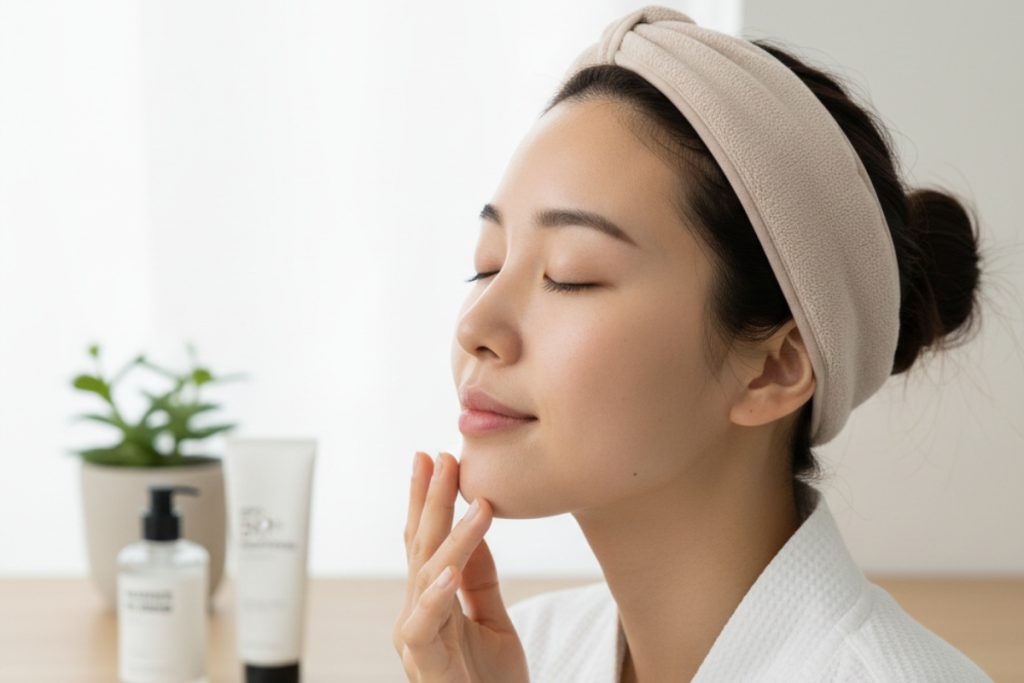
Consistent daily habits can make a difference over time. When the skin feels balanced and well supported, pigmentation often becomes easier to manage as the skin gradually renews itself.
Protect Skin With Daily Sunscreen
Sun exposure is one of the main reasons pigmentation becomes more noticeable. Even short periods outdoors can stimulate melanin production, which may deepen existing dark spots and slow the fading process.
Applying sunscreen every morning helps protect the skin from this trigger. With consistent use, daily sun protection helps maintain a clearer and more even-looking complexion while preventing pigmentation from becoming darker again.
How sunscreen helps manage pigmentation:
- Reduces UV stimulation that triggers excess melanin production
- Prevents dark spots from becoming deeper in colour
- Supports a more even-looking skin tone over time
How to use sunscreen correctly:
- Choose a broad-spectrum sunscreen (SPF 30 or higher) to protect against both UVA and UVB rays
- Apply sunscreen as the last step of your morning skincare routine before makeup
- Use a generous amount for the face and neck to ensure proper coverage
- Reapply every 2–3 hours, especially when spending time outdoors or sweating
- Apply sunscreen daily, even on cloudy days, since UV rays are still present
When sunscreen becomes a consistent habit, it helps prevent new pigmentation from forming and supports the gradual fading of existing dark spots.
Support Skin Hydration and Balance
Skin that feels hydrated and comfortable tends to look smoother and calmer overall. When the skin barrier stays balanced, it is easier for the skin to move through its natural renewal process.
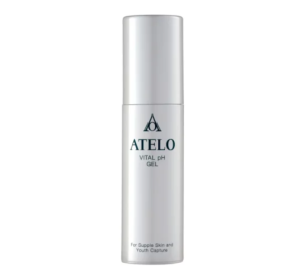
Lightweight hydration can help maintain this balance without feeling heavy on the skin. Atelo Vital pH Gel contains Atelocollagen, a refined form of collagen that supports moisture and skin elasticity, together with Rice Ferment Filtrate, which helps the skin stay hydrated and balanced.
Key benefits of Atelo Vital pH Gel:
- Atelocollagen helps support skin hydration and elasticity
- Rice Ferment Filtrate helps maintain moisture and skin balance
- Lightweight gel texture absorbs easily and layers well in daily routines
Use Gentle Brightening and Skin-Supporting Ingredients
After cleansing, the skin often benefits from a step that restores hydration and prepares it for the rest of your routine. Hydrating toners help refresh the skin so it feels comfortable before applying serums or moisturisers.
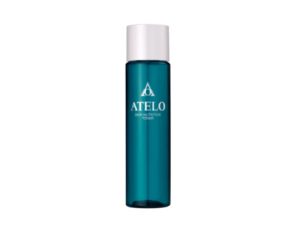
Atelo Skin Nutrition Toner combines Atelocollagen with Fermented Rice Extract, ingredients that help the skin feel soft and hydrated while supporting a smoother-looking complexion. This step brings back light moisture after cleansing and helps the skin feel ready for the next layers of skincare.
Consistency Matters More Than Quick Fixes
Pigmentation rarely fades through quick fixes. Most people notice gradual improvement when skincare stays consistent and supportive over time.
Adding a hydrating mask into your routine once in a while can also help give the skin extra comfort.
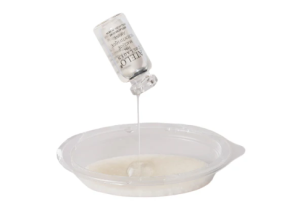
Atelo Amine Mask contains high-purity Atelocollagen together with amino acid complexes, ingredients that help replenish moisture and leave the skin feeling softer and smoother. It is a simple step when your skin needs a little extra care.
Hyperpigmentation in Singapore: Why Climate Matters

Living in Singapore means your skin faces strong sun and heat almost every day of the year. Even short moments outdoors during commutes, lunch breaks, or weekend errands expose the skin to ultraviolet rays that can trigger hyperpigmentation.
Humidity and constant sweating can also affect how the skin feels throughout the day. When the skin becomes dehydrated from sun exposure, air-conditioning, and heat, pigmentation can appear more noticeable, especially on areas like the cheeks and forehead.
Common Mistakes That Slow Pigmentation Fading
When trying to fade hyperpigmentation, it is easy to look for quick solutions. However, certain habits can unintentionally slow progress and make pigmentation appear more stubborn.
Some of the most common mistakes include:
- Skipping sunscreen: Without daily sun protection, ultraviolet exposure can trigger more melanin production and darken existing spots.
- Changing skincare products too often: Skin usually needs time to respond to a routine, and frequent changes can disrupt progress.
- Over-exfoliating the skin: Excessive exfoliation can irritate the skin barrier and trigger inflammation that worsens pigmentation.
- Expecting immediate results: Pigmentation fades gradually as the skin renews itself, so visible changes often take time.
Patience and consistency often make the biggest difference. When skincare routines remain gentle and steady, the skin has the opportunity to gradually move toward a clearer and more balanced appearance.
Frequently Asked Questions About Hyperpigmentation
What can cause hyperpigmentation?
Hyperpigmentation can develop when the skin produces excess melanin. Common triggers include sun exposure, acne marks, skin irritation, hormonal changes, and environmental stress that affect how pigment forms within the skin.
What are common options for hyperpigmentation treatment?
Common approaches include daily sun protection, consistent skincare routines, and ingredients that support skin renewal and balance. In some cases, individuals may also explore professional treatments depending on the type and depth of pigmentation.
What ingredients help with hyperpigmentation?
Several skincare ingredients are commonly used to support a more even-looking complexion. Ingredients such as vitamin C, niacinamide, fermented rice extract, and collagen-supporting formulas are often included in routines that focus on maintaining skin clarity and hydration.
Is vitamin C good for hyperpigmentation?
Vitamin C is frequently used in skincare routines that aim to support a brighter-looking complexion. It is known for helping the skin appear more radiant while supporting an even skin tone when used consistently.
How can hyperpigmentation be prevented from getting darker?
Daily sunscreen is one of the most important steps in preventing pigmentation from becoming darker. Gentle skincare routines, proper hydration, and avoiding unnecessary skin irritation can also help maintain a more balanced and even-looking complexion.
Conclusion
Hyperpigmentation fades gradually because the skin renews itself through natural cycles. The timeline can vary depending on the cause of the pigmentation, how deep the pigment sits in the skin, and how the skin responds to daily care.
Sun exposure, inflammation, and hormonal changes can all influence how pigmentation appears and how long it remains visible. Because of this, daily habits such as sun protection, hydration, and gentle skincare play an important role in supporting clearer and more balanced-looking skin.
A consistent routine helps create the conditions where the skin can slowly improve over time. Hydrating and supportive products from Atelo Singapore can fit naturally into a routine that focuses on maintaining skin comfort, hydration, and overall balance while pigmentation gradually softens.