
If you have invested in good skincare products and are not seeing the results you expected, the order in which you apply them could be the issue. Knowing how to layer skincare products correctly is not about following arbitrary rules. It is about understanding how different product textures and ingredients work, and applying them in the sequence that allows each one to function properly.
The Core Principle: Thinnest to Thickest
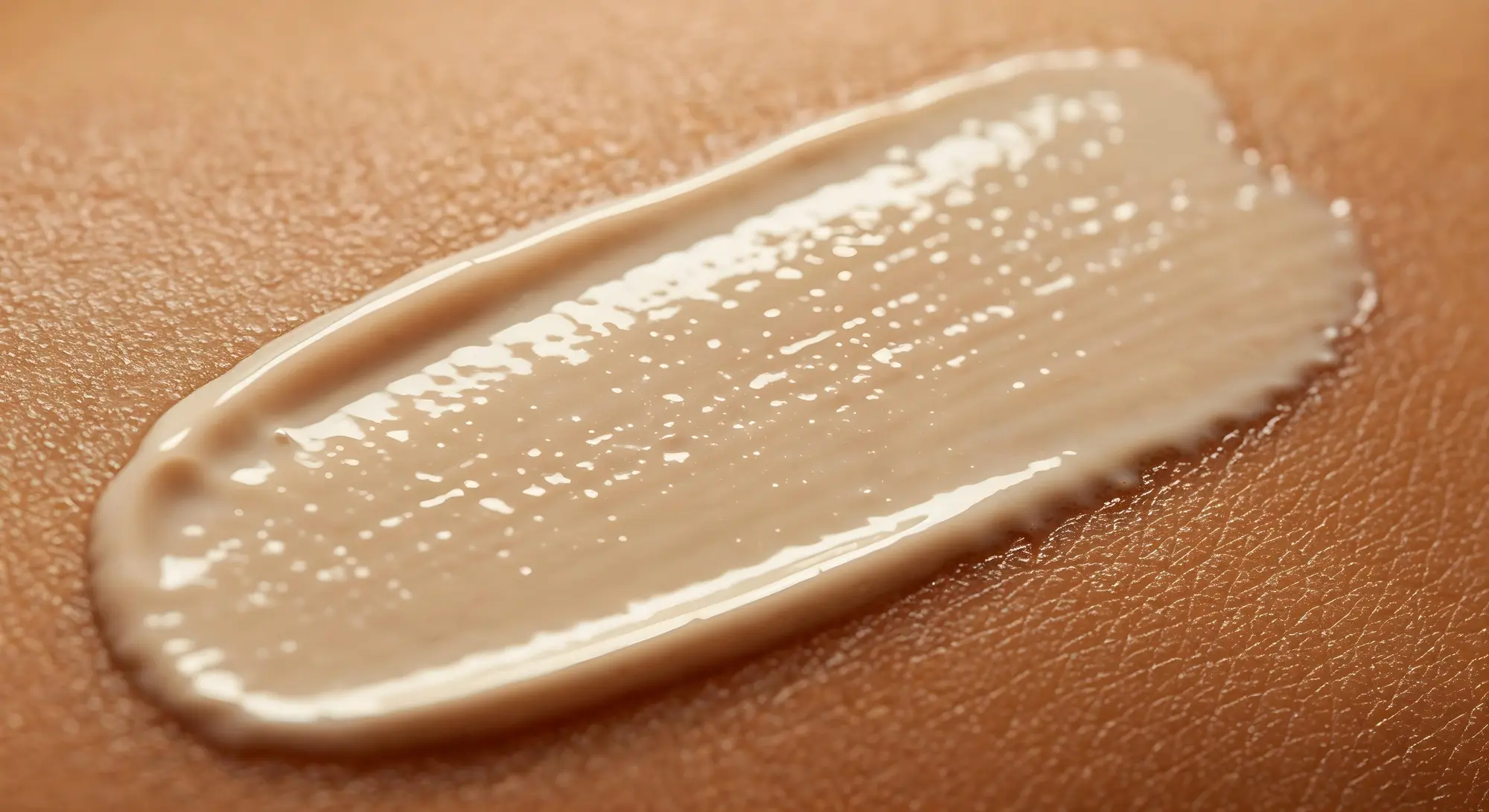
The fundamental rule of skincare layering is to apply products from the lightest, most watery consistency to the heaviest, most occlusive formula. Thinner products contain smaller molecules that can penetrate the skin surface. If you apply a heavy cream first, it creates a layer that prevents lighter products from reaching the skin effectively.
This principle guides the entire layering sequence.
The Full Layering Order Explained
1. Cleanser
Every routine starts with clean skin. Use a gentle, pH-balanced cleanser appropriate for your skin type. In the morning, a single cleanse is sufficient for most people. In the evening, a double cleanse (oil-based cleanser followed by water-based) is recommended if you have worn SPF or makeup.
Apply to damp skin, massage gently, and rinse with lukewarm water. Pat the skin dry with a clean towel.
2. Toner
Toner goes on the skin while it is still slightly damp from cleansing. It restores pH balance and adds the first layer of hydration, creating a better base for everything that follows.
Use clean hands or a soft cotton pad. Press gently rather than rubbing. The Atelo Skin Nutrition Toner fits into this step, conditioning the skin and supporting better absorption of subsequent products.
3. Essence (if using)
Essences are lighter even than serums and are particularly common in Korean and Japanese skincare routines. They provide additional hydration and can deliver lighter active ingredients. If you use one, it goes after toner and before serum.
4. Treatment Serum
Serums are concentrated, active-rich products designed to address specific concerns. They are thin enough to penetrate effectively but carry more actives than a toner. Apply with fingertips, pressing gently rather than dragging.
In the morning, an antioxidant or brightening serum works well. In the evening, this is where treatment ingredients like retinoids, peptides, or exfoliating acids sit. Do not use too many serums at once, as this can cause active ingredient conflict or simply overwhelm the skin. For a breakdown of key hydrating and active ingredients worth including at this step, see our guide on the best skincare ingredients for hydration.
5. Eye Cream (if using)
If you use eye cream, it goes after serum and before moisturiser. The skin around the eyes is thinner and more delicate, so apply with the ring finger using the lightest possible pressure. Tap rather than drag.
6. Moisturiser
Moisturiser is one of the most important steps regardless of skin type. It seals in the hydration and actives from earlier steps and provides the skin with the lipids and emollients it needs to stay comfortable throughout the day or night. If your skin still feels dry despite this step, read our guide on why skin feels dry even after moisturising.
The Atelo Radiance Boosting Cream fits this step well, supporting elasticity and surface luminosity while providing the moisture and protection the skin needs after all previous steps.
7. Face Oil (optional, evening)
If you use a facial oil, it typically goes after moisturiser as an additional sealing step. Oils are occlusives and can trap everything beneath them, so they belong at the end rather than the beginning of the routine. Note that not all skin types benefit from face oils, particularly those prone to congestion.
8. SPF (morning only)
Sunscreen is always the final step in the morning routine. Nothing goes on top of SPF, including makeup application tools that could disturb the even coverage. Apply generously to all exposed areas and wait a few minutes before going outdoors.
Common Layering Mistakes to Avoid
Applying products to completely dry skin
Many hydrating products work better on slightly damp skin. Apply toner and serum within about 60 seconds of cleansing to take advantage of the skin’s dampness and improve absorption.
Not waiting between layers
You do not need to wait long between steps, but a brief 20 to 30 second pause helps each product absorb before the next is applied. Rushing through all steps at once can cause products to pill or not absorb properly.
Using incompatible actives in sequence
Some active ingredients do not work well together. Layering a strong AHA directly with retinol, for example, can cause irritation. Vitamin C at a very low pH and niacinamide used simultaneously can cause flushing in some people. Understanding how skincare pH affects active ingredients can help you avoid these conflicts before they affect your skin.
Too many products at once
More is not better in skincare layering. Using five or six serums in one routine increases the risk of interaction, irritation, and simply preventing absorption. Keep the routine focused on two to three targeted steps beyond the basics.
Morning vs Evening Layering
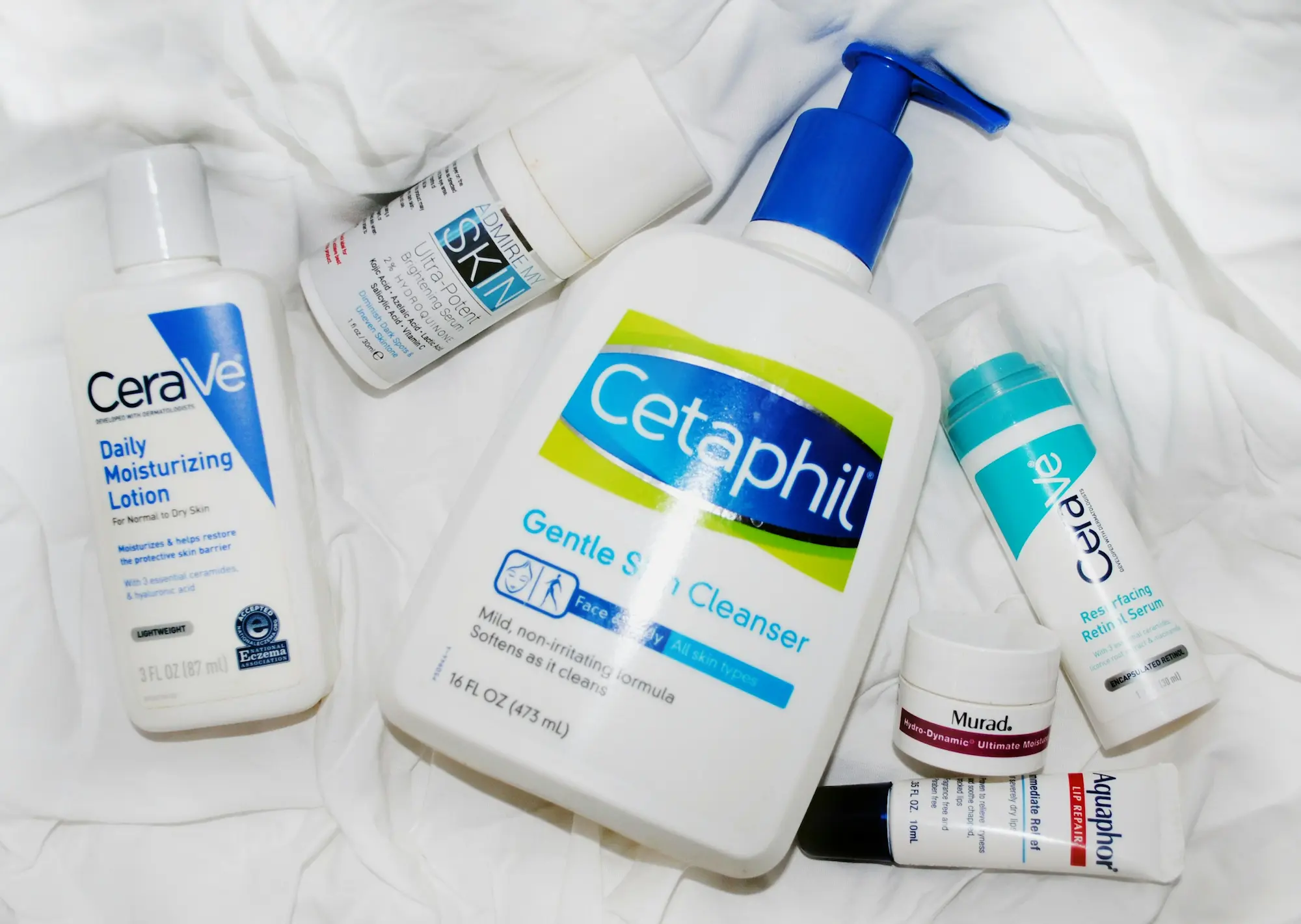
The layering order remains consistent between morning and evening, but the specific products change:
Morning: cleanser, toner, antioxidant serum, moisturiser, SPF
Evening: cleanser (double cleanse if needed), toner, treatment serum, moisturiser (richer)
The evening routine can accommodate richer, more intensive products because there is no SPF at the end and the skin has more time to absorb and benefit from treatment formulas during sleep.
How to Build Your Layering Sequence from Scratch
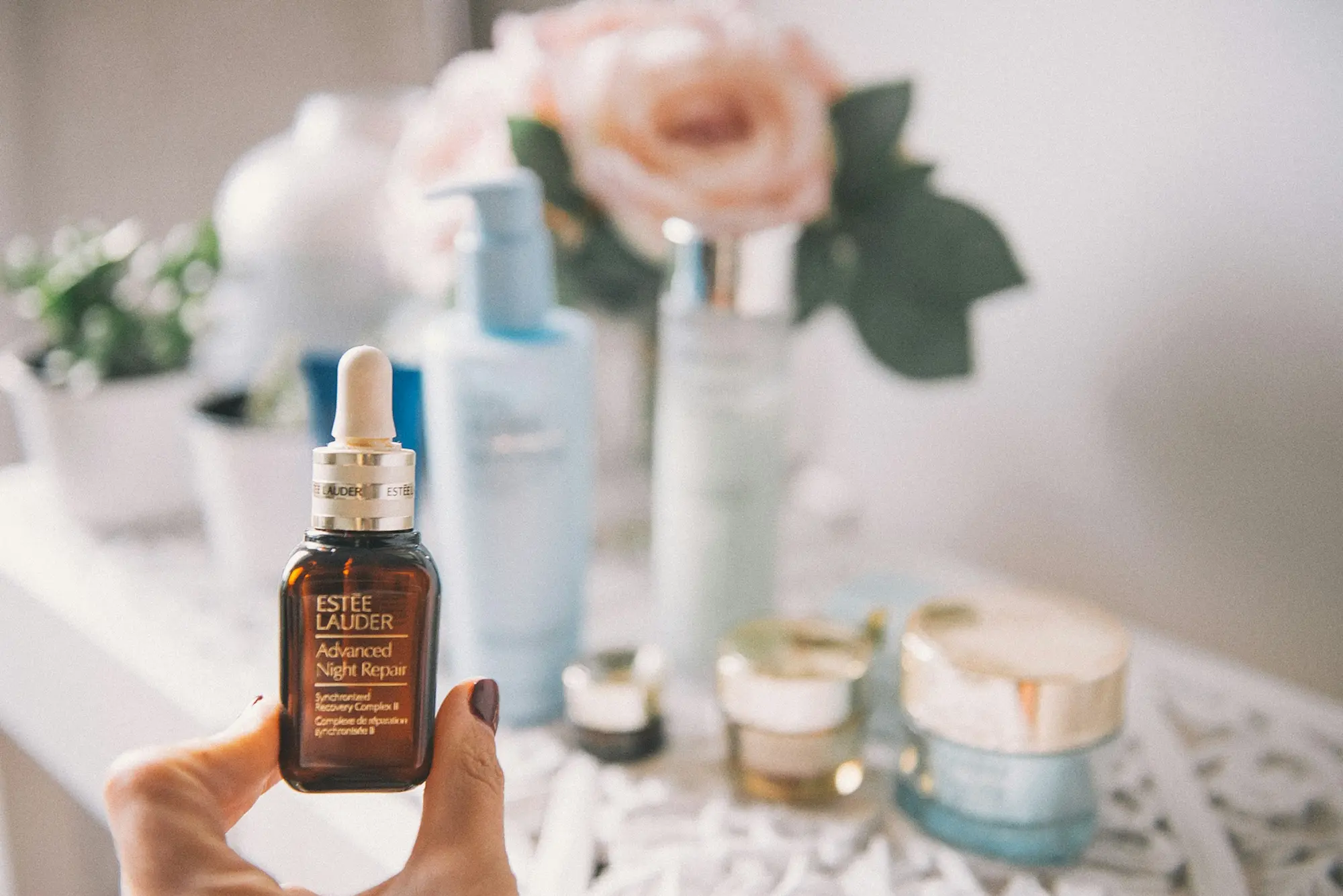
If you are starting fresh or rebuilding a routine, our guide on how to build a skincare routine for dry skin walks through the process step by step and is a useful starting point for most skin types.
- Start with the essentials: cleanser, moisturiser, and SPF
- Add a toner once you have confirmed the basics work for your skin
- Introduce one serum addressing your primary concern
- Build slowly from there, introducing one new product at a time
Layering Skincare Products: The Summary
Learning how to layer skincare products correctly is one of the most practical investments you can make in your skincare practice. The right sequence means each product can work as designed, active ingredients can penetrate effectively, and hydration is properly sealed in at the end.
Keep the sequence simple, follow the thinnest-to-thickest principle, and adjust based on how your skin responds. Over time, you will develop an intuitive sense of what your skin needs and in what order, making the routine feel natural rather than complicated.
Frequently Asked Questions (FAQs)
What is the correct order to layer skincare products?
The correct skincare layering order follows a thinnest-to-thickest principle: cleanser, toner, essence (if using), treatment serum, eye cream (if using), moisturiser, and SPF as the final step in the morning. This sequence ensures lighter, active-rich products can penetrate the skin before heavier creams and occlusives seal everything in. Applying products in the wrong order, such as moisturiser before serum, creates a barrier that prevents thinner formulas from reaching the skin effectively.
What order should you apply skincare products in the morning vs at night?
The core skincare routine order stays the same morning and night, but the specific products change. In the morning: cleanser, toner, antioxidant or brightening serum, moisturiser, then SPF as the final step. In the evening: cleanser (double cleanse if you wore SPF or makeup), toner, treatment serum such as retinol or exfoliating acid, and a moisturiser. The evening routine can accommodate richer, more intensive products since there is no SPF at the end and the skin has more time to absorb treatment formulas overnight.
How do you layer a serum and moisturiser correctly?
When layering serum and moisturiser, serum always comes first. Serums are lightweight, concentrated formulas designed to deliver active ingredients into the skin. Moisturiser follows to seal in those actives and provide the lipids and emollients the skin needs. Applying moisturiser before serum blocks absorption and significantly reduces how well the serum can work. Allow 20 to 30 seconds between steps so each layer can absorb before the next is applied.
What is the best skincare routine order for Singapore’s climate?
A skincare routine order for Singapore needs to account for both outdoor heat and indoor air conditioning. In the morning, keep it lightweight: a gentle cleanser, hydrating toner, a serum targeting your primary concern, a light moisturiser or gel, and broad-spectrum SPF as the non-negotiable final step. In the evening, prioritise a thorough double cleanse to remove sweat and sunscreen, then follow with toner, any treatment serum, and a slightly richer moisturiser. The goal is a routine that is comfortable enough to wear in the heat but hydrating enough to offset hours of air-conditioned indoor time.
How many skincare products can you layer at once?
Most people do not need more than four to five products per routine. The risk of layering too many products is that actives can conflict with each other, absorption is compromised, and the skin can become overwhelmed and reactive. A focused routine (cleanser, toner, one targeted serum, moisturiser, and SPF in the morning) covers the majority of skincare needs. Introduce one new product at a time so you can identify how your skin responds before adding anything else.