
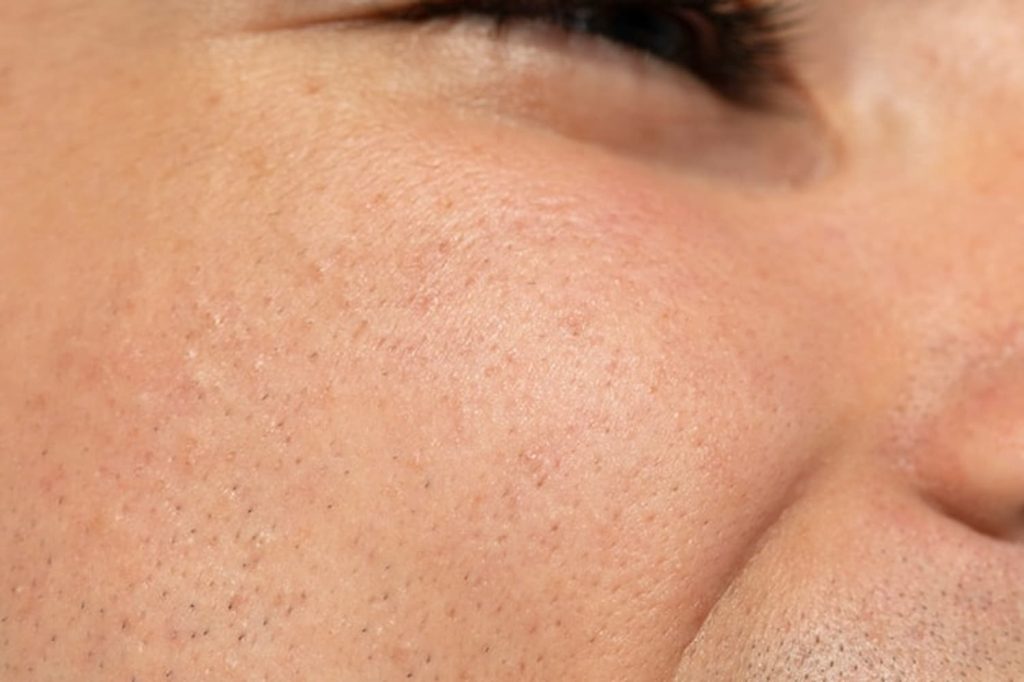
You apply moisturiser, your skin feels comfortable for a short while, and then the dryness returns. If this sounds familiar, you are not imagining it. Your skin feels dry after moisturising can be one of the most common skincare concerns, and it usually points to something specific going wrong in the routine rather than simply needing a heavier cream.
Understanding why this happens can help you make targeted changes instead of buying yet another product that does not quite deliver what you need.
Your Skin Barrier May Be Compromised

The most common reason moisturiser does not seem to hold is a compromised skin barrier. The skin barrier is the outermost layer of your skin, and it works like a dam. When it is intact, it keeps moisture inside. When it is damaged, water evaporates much more rapidly from the skin surface, a process known as transepidermal water loss (TEWL).
In this situation, no matter how much moisturiser you apply, the water will keep escaping. The moisturiser provides temporary comfort, but the underlying problem, the leaky barrier, continues to drive moisture out.
Common causes of a compromised skin barrier include:
- Using cleansers that are too harsh or too alkaline
- Over-exfoliating the skin
- Using too many active ingredients without adequate barrier support
- Environmental stressors such as air conditioning, pollution, and UV exposure
You Might Be Applying Moisturiser at the Wrong Time

This is a simple but significant mistake. Moisturiser should be applied while the skin is still slightly damp, not after it has dried completely. When the skin is damp, the moisturiser helps seal in the water that is already on the surface. If you wait until your skin is fully dry before applying, the product has less moisture to lock in.
The ideal window is within about 60 seconds of washing your face or applying a hydrating toner. This is when the skin surface still holds some water, and a moisturiser can do its job most effectively.
Your Moisturiser Might Not Be the Right Type for Your Skin
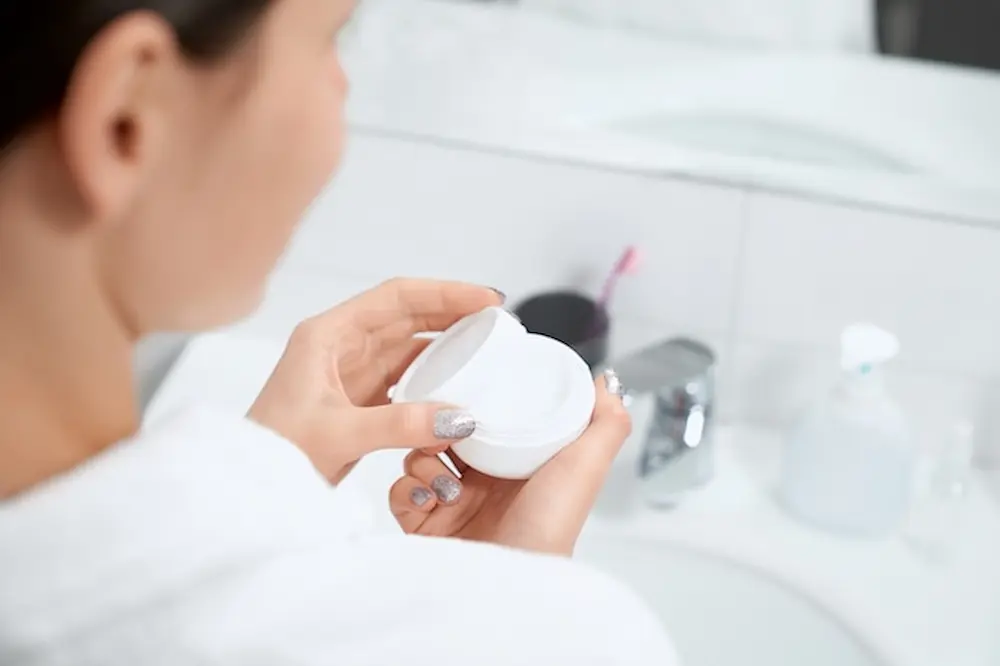
There are different types of moisturising agents, and they work in different ways. Understanding the difference helps you choose a product that actually addresses your skin’s needs.
Humectants
Humectants such as hyaluronic acid, glycerin, and panthenol attract water from the environment and from deeper skin layers to the surface. They are great for adding hydration but they need to be sealed in with a subsequent layer; otherwise, they can actually pull moisture out of the skin if the surrounding environment is very dry.
Emollients
Emollients like fatty acids and plant-based oils soften the skin and smooth out rough patches by filling in gaps between skin cells. They improve texture and support a more comfortable skin surface.
Occlusives
Occlusives such as shea butter, dimethicone, and petrolatum form a physical barrier on the skin surface to slow down water loss. They are the most effective ingredients at keeping moisture in, but they can feel heavy or greasy if not well-formulated.
A good moisturiser for dry skin typically combines all three types. If yours only contains humectants without any occlusive component, it may not be holding hydration effectively.
You May Be Skipping the Toner Step
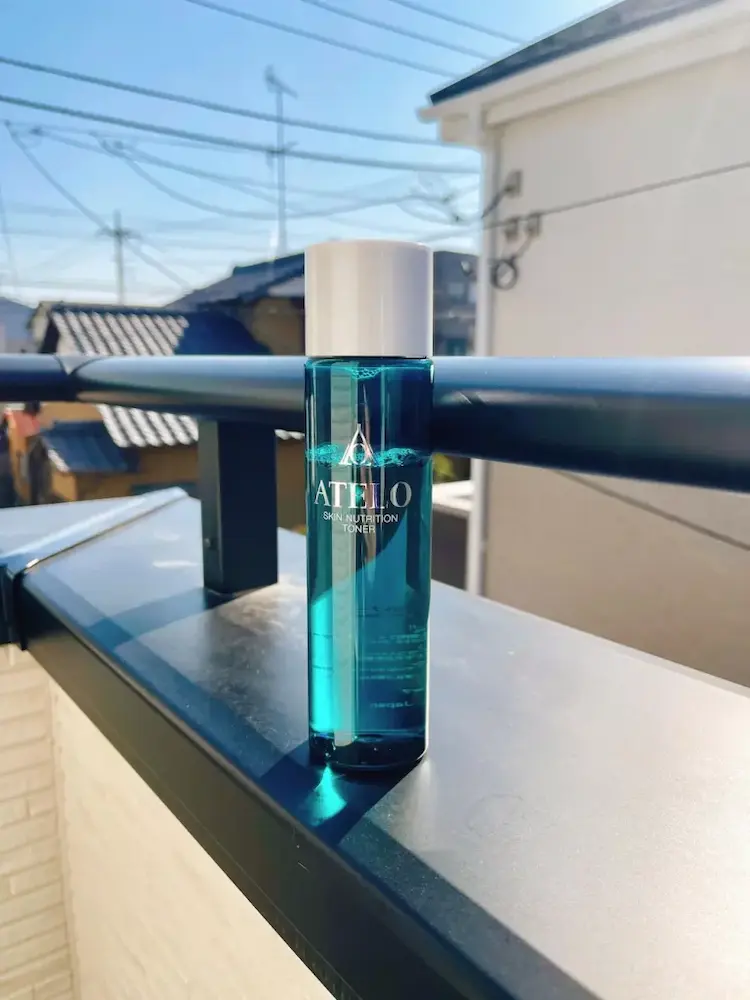
Toner is often dismissed as an unnecessary step, but for dry skin, it can make a meaningful difference. A hydrating toner applied between cleansing and moisturising adds an initial layer of hydration that the moisturiser can then seal in. Without it, you are essentially asking your moisturiser to both provide and lock in hydration, which is a harder ask.
The Atelo Skin Nutrition Toner is designed to prepare and condition the skin after cleansing, supporting hydration and improving the absorption of the products that follow. Using it before your moisturiser gives the skin more to work with.
Your Cleanser Could Be the Problem
Ironically, one of the biggest reasons skin feels dry after moisturising is the cleanser, not the moisturiser. If your cleanser is stripping away the skin’s natural lipids, it creates a baseline dryness that is very difficult to overcome later in the routine.
Signs your cleanser might be too harsh:
- Your skin feels tight or “squeaky clean” immediately after washing
- Redness or mild sensitivity appears after cleansing
- The dryness is worst first thing in the morning and after washing your face
Switching to a gentler, pH-balanced cleanser is often the single most effective change for chronically dry skin.
You Might Not Be Using Enough Product
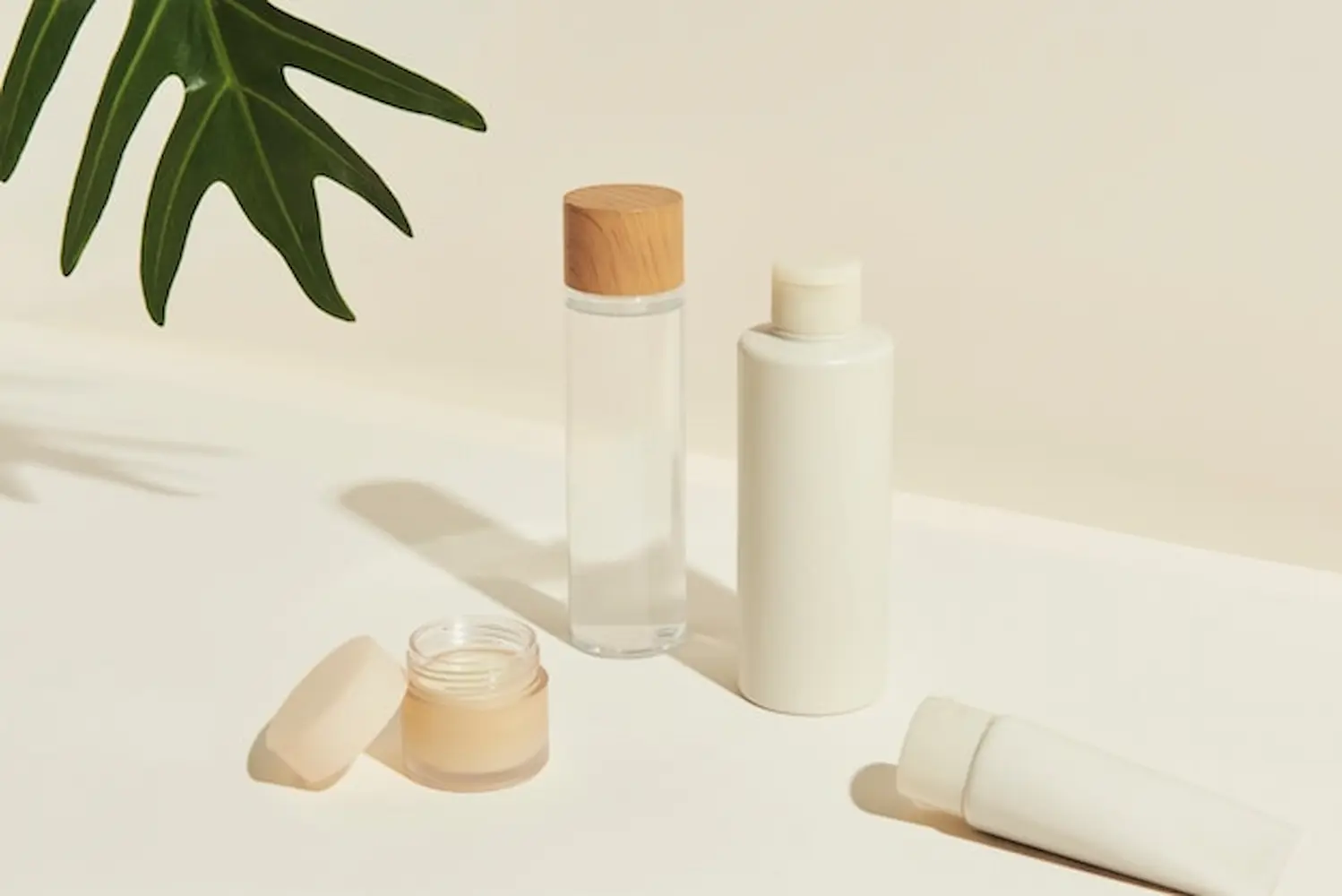
This sounds obvious, but the amount of product you apply matters. Moisturisers are typically tested at a certain application weight in clinical studies. Using half the recommended amount means the skin is not receiving the full benefit of the formula.
A general guide for face cream is roughly a pea-to-almond-sized amount, depending on the product’s texture. For richer creams, slightly less may be needed. The goal is even coverage without rubbing the skin too aggressively.
Your Indoor Environment May Be Making Things Worse

This is particularly relevant in Singapore, where air conditioning is a constant. Air-conditioned environments have lower humidity, which pulls moisture from the skin surface more readily. If you spend long hours in a cooled office or spend most of your day indoors, your skin is fighting against a dehydrating environment continuously.
Practical steps to manage this include:
- Using a humidifier in your bedroom or home office
- Carrying a small facial mist to refresh skin during the day
- Applying a slightly richer moisturiser on days when you will be indoors for extended periods
You Might Need a Weekly Treatment
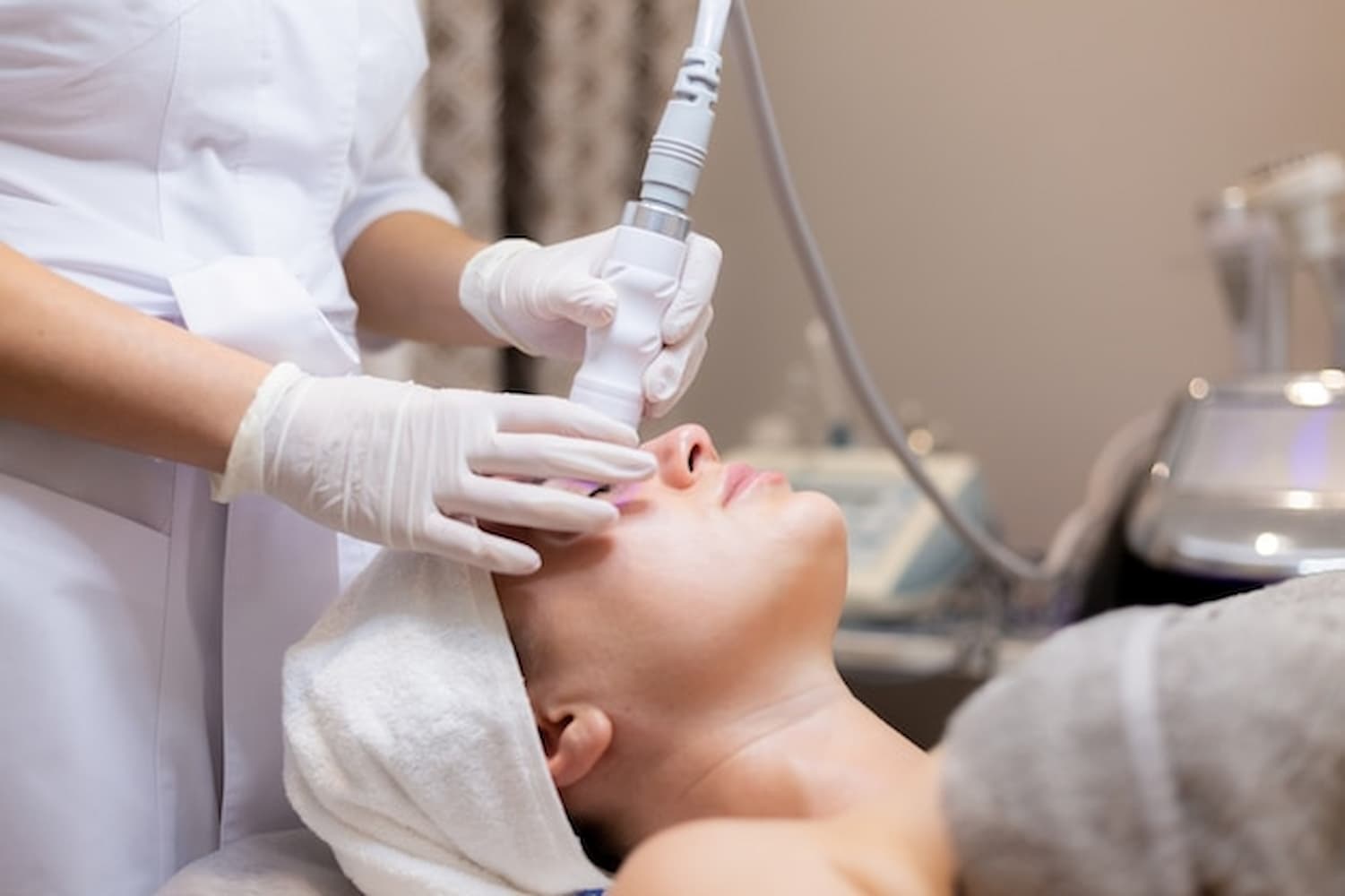
For some people with persistently dry skin, a daily routine is not quite enough. Adding a weekly treatment, such as a hydrating mask or an overnight sleeping mask, gives the skin an extra dose of concentrated hydration that can help break the cycle of chronic dryness.
The Atelo Amine Mask provides an intensive treatment designed to help skin appear smoother and more refreshed. Used once or twice a week, it can supplement your daily routine on the days when skin needs extra support.
When to See a Dermatologist

In some cases, persistent dry skin that does not respond to changes in your skincare routine may have an underlying cause that needs professional assessment. Conditions such as eczema, psoriasis, or contact dermatitis can mimic the appearance of general dryness but require targeted treatment.
If your skin:
- Remains significantly dry despite consistent routine changes
- Is accompanied by itching, cracking, or open sores
- Has distinct patches of very dry, red, or scaly skin
It is worth consulting a dermatologist for a proper assessment.
Solving Why Your Skin Feels Dry Even After Moisturising
The good news is that this problem is almost always fixable once you identify the specific cause. Start by reviewing your cleanser, your application technique, and whether you are using a toner before your moisturiser. These three adjustments alone often make a noticeable difference within a couple of weeks.
If those changes do not resolve the issue, consider the broader routine, particularly any active ingredients that may be over-stimulating the skin, and look at your environment. Skin that feels dry after moisturising is telling you something specific. Listening to what it is saying is the first step to getting results.
Frequently Asked Questions (FAQs)
Why does my skin still feel dry after moisturising?
If your skin feels dry after moisturising, the most likely cause is a compromised skin barrier. When the barrier is damaged, moisture escapes through a process called transepidermal water loss (TEWL), meaning no amount of moisturiser can hold hydration in effectively. Other reasons include applying moisturiser to fully dry skin, using a cleanser that strips natural oils, skipping toner, or using a moisturiser that lacks occlusive ingredients to seal in hydration.
Why is my moisturiser not working for dry skin?
Your moisturiser not working for dry skin could come down to formula type. A moisturiser needs three types of ingredients to be effective: humectants (like hyaluronic acid or glycerin) to attract water, emollients (like fatty acids) to soften skin, and occlusives (like shea butter or dimethicone) to seal moisture in. If your product only contains humectants without an occlusive layer, hydration evaporates quickly — especially in low-humidity, air-conditioned environments.
Why is my skin still dry no matter what I do?
If you’re wondering why your skin is still dry despite trying multiple products, the issue likely goes beyond your moisturiser. A harsh or alkaline cleanser can strip the skin’s natural lipids, creating a dryness that no cream can fully reverse. Skipping a hydrating toner, applying moisturiser too late after washing your face, spending long hours in air-conditioned spaces, or over-exfoliating are all common culprits. Addressing these habits often resolves persistent dryness within two weeks.
How does a damaged skin barrier cause dryness, and how do you fix it?
A damaged skin barrier loses its ability to retain moisture, leading to rapid water evaporation from the skin surface. This is known as skin barrier hydration failure, and it is one of the leading causes of chronic dry skin. To repair it, switch to a gentle pH-balanced cleanser, reduce the frequency of active ingredients like exfoliating acids, apply a hydrating toner before your moisturiser, and use a cream-based formula with occlusive ingredients. Consistent use of barrier-supportive products over four to six weeks is typically needed for visible improvement.
What are the best dry skin tips if your moisturiser isn’t enough?
If your moisturiser alone isn’t solving your dryness, try these dry skin tips for better results: apply moisturiser within 60 seconds of cleansing while skin is still damp, add a hydrating toner as a base layer before your cream, use a weekly hydrating mask for a concentrated moisture boost, switch to a richer cream-based formula with both humectants and occlusives, and use a humidifier if you spend extended hours in air-conditioned spaces. Small adjustments in technique often make a bigger difference than switching products entirely.