
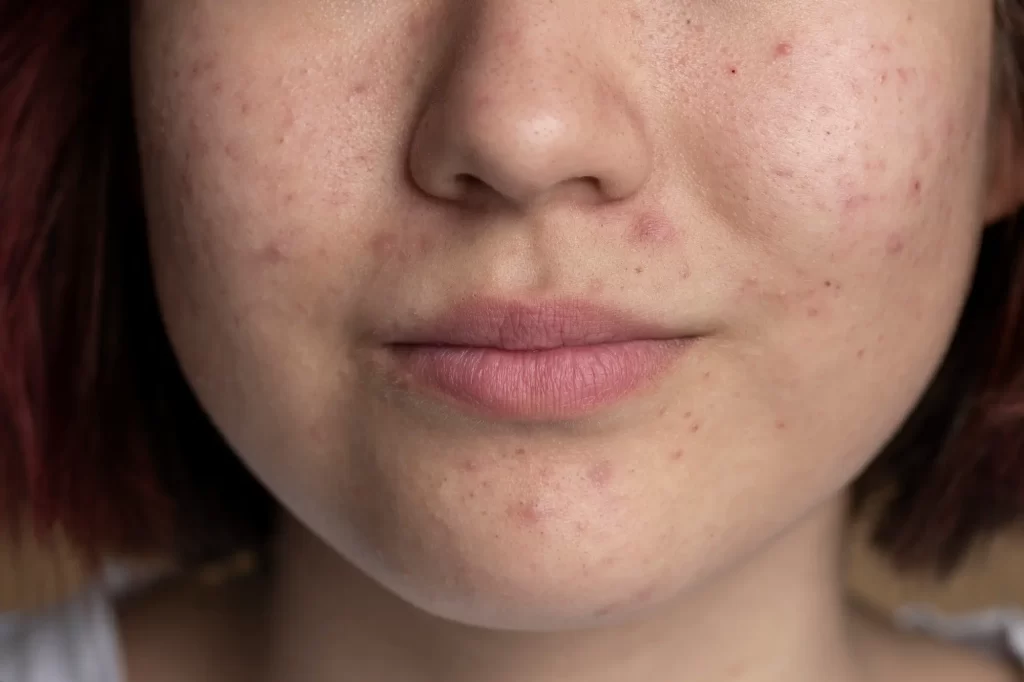
Dark spots and uneven skin tone are among the most common skincare concerns in Singapore, and for good reason. The combination of year-round high UV exposure, a climate that keeps most people outdoors regularly, and the higher prevalence of post-inflammatory hyperpigmentation in East and Southeast Asian skin tones makes this a concern that affects a significant portion of the population here.
Understanding how to fade hyperpigmentation (as well as different treatment approaches for this) is the foundation for building a strategy that actually delivers results.
What Is Hyperpigmentation?
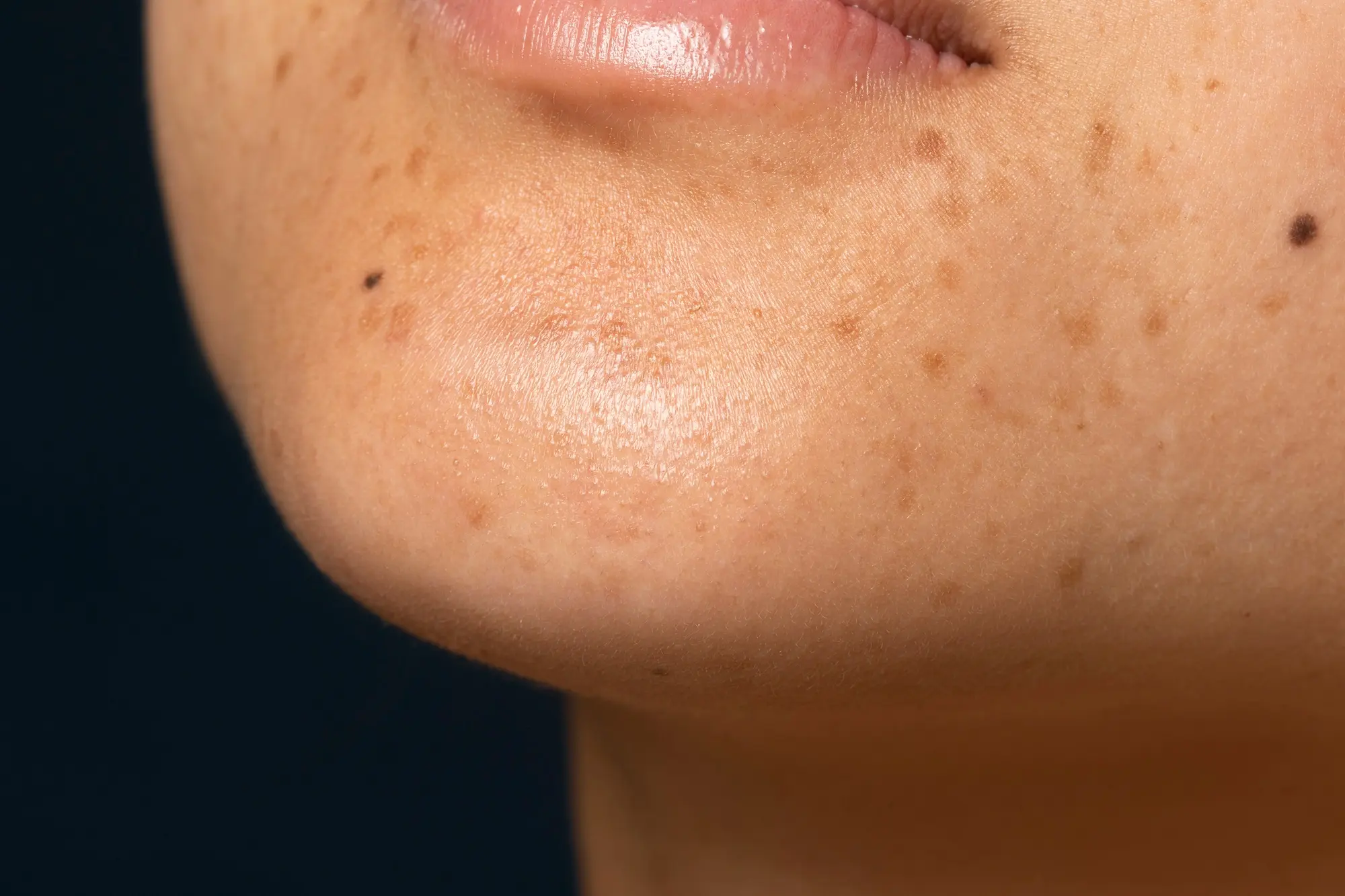
Hyperpigmentation is the term for any area of skin that appears darker than the surrounding skin. It occurs when melanocytes, the cells responsible for producing melanin (the pigment that gives skin its colour), are overactivated and produce more melanin than the skin normally would in that area.
There are several distinct types:
Post-inflammatory hyperpigmentation (PIH)
This is the dark mark left behind after a spot, wound, or inflammation resolves. It is the result of melanocytes being stimulated by the inflammatory process. PIH is particularly common in medium to deeper skin tones and is the type most often created by acne breakouts, ingrown hairs, or skin trauma.
UV-induced hyperpigmentation
Also known as sun spots or age spots, these areas of darker pigment develop over time from cumulative UV exposure. They tend to appear on the most sun-exposed areas: the face, hands, shoulders, and chest.
Melasma
Melasma is a more complex form of hyperpigmentation that often presents as symmetrical patches on the cheeks, forehead, or upper lip. It is closely linked to hormonal factors and is significantly worsened by UV exposure. It is more persistent than PIH and may require professional treatment.
Diffuse uneven skin tone
This is a general unevenness across the complexion without clearly defined spots, often the result of accumulated sun exposure, pollution, and the natural variation in melanin distribution across the face.
Why Hyperpigmentation Is More Challenging in Singapore
Singapore’s UV Index is consistently extreme throughout the year, frequently reaching 11 or above at midday. UV radiation is the primary trigger for melanin production, and without daily, adequate SPF protection, even existing hyperpigmentation actively darkens with continued exposure. This makes SPF not just a preventive measure but an active part of any hyperpigmentation treatment plan.
Heat itself, independent of UV, can also stimulate melanocyte activity in people with heat-sensitive hyperpigmentation — another consideration in Singapore’s climate.
How to Fade Hyperpigmentation
Step 1: SPF — The Non-Negotiable Foundation
Any skincare routine designed to fade hyperpigmentation must be built on daily, consistent SPF use. Without it, UV exposure continuously replenishes the melanin you are trying to fade, and the treatment ingredients in your routine cannot outpace the ongoing stimulus to produce more pigment.
Use a broad-spectrum SPF 30 or higher every morning. Reapply every two hours if outdoors. Choose a formula you will actually use consistently — the best sunscreen is the one that becomes a daily habit.
Step 2: Brightening Actives That Target Melanin Production
Several well-studied ingredients work by interrupting different stages of the melanin production pathway. Using one or two targeted actives consistently over several weeks is more effective than cycling through many at once.
Niacinamide
Niacinamide works by inhibiting the transfer of melanin from melanocyte cells to keratinocytes (skin surface cells). It does not stop melanin production at the source but prevents the produced pigment from reaching the skin surface, where it appears as dark spots. It is gentle, well-tolerated, and can be used twice daily. Results are typically visible after six to twelve weeks of consistent use.
Vitamin C (L-ascorbic acid)
Vitamin C inhibits the enzyme tyrosinase, which is required for melanin synthesis. It is one of the most effective and best-studied brightening ingredients available, and it provides the additional benefit of antioxidant protection against further UV and pollution-related damage. Use in the morning, before SPF. Stable, well-formulated vitamin C products typically need to be stored away from direct light to maintain efficacy.
Alpha arbutin
Alpha arbutin is a gentler alternative to hydroquinone that also inhibits tyrosinase. It is better tolerated than hydroquinone and suitable for long-term use without the concerns around over-bleaching or rebound hyperpigmentation.
Kojic acid
Kojic acid is derived from fungal fermentation and also inhibits tyrosinase. It is effective for surface-level brightening but can cause sensitivity in some individuals at higher concentrations. Look for it in formulations where it is buffered by calming ingredients.
AHAs (lactic acid, glycolic acid)
Chemical exfoliants accelerate the shedding of pigmented surface cells, which speeds the fading process. They work best in combination with a brightening active rather than as standalone treatments for hyperpigmentation.
Step 3: Support Skin Cell Turnover
Hyperpigmentation sits in the skin cells that are already on the surface. The faster those cells turn over and are replaced by new, unpigmented cells, the faster dark spots fade. Gentle but consistent exfoliation supports this process.
Use a chemical exfoliant one to two times a week. Lactic acid is a good choice for sensitive skin and darker skin tones as it is gentler and less likely to cause post-exfoliation PIH (yes, over-exfoliation can cause new dark spots in pigmentation-prone skin).
Realistic Timelines for Fading Hyperpigmentation
Understanding realistic timelines prevents the frustration and product-switching that undermines most hyperpigmentation routines:
- Mild PIH from recent spots: four to eight weeks of consistent treatment
- Moderate PIH or UV spots: eight to sixteen weeks
- Deep or long-standing hyperpigmentation: six to twelve months or more
- Melasma: typically requires professional treatment and ongoing maintenance; topical products help but rarely fully resolve it
These timelines assume consistent, twice-daily use of appropriate actives plus daily SPF. Inconsistency significantly extends the timeline.
When to See a Dermatologist
Some forms of hyperpigmentation, particularly melasma, deep post-acne scarring, or pigmentation that does not respond to six months of consistent topical treatment, benefit significantly from professional intervention. Options available through dermatologists and aesthetic clinics in Singapore include chemical peels, laser treatments, and prescription-strength brightening actives.
Professional treatments are most effective when maintained alongside a good topical routine and strict SPF use. Without these, any professional result will fade as the underlying trigger continues.
Frequently Asked Questions (FAQs)
How do you fade hyperpigmentation effectively?
To fade hyperpigmentation effectively, combine four targeted steps used consistently: daily broad-spectrum SPF to prevent UV from continuously darkening existing spots and creating new ones; a brightening active applied twice daily such as niacinamide, vitamin C, or alpha arbutin that interrupts melanin production or transfer at the cellular level; gentle chemical exfoliation one to two times weekly with lactic or glycolic acid to accelerate the turnover of pigmented surface cells; and patience — even mild hyperpigmentation takes four to eight weeks of consistent treatment to show visible improvement, while more established dark spots require three to six months or longer.
What causes dark spots on skin and why are they more common in Singapore?
Dark spots form when melanocytes are overactivated and produce excess melanin in a specific area. The main triggers include UV exposure (which directly stimulates melanin production and is extreme year-round in Singapore), post-inflammatory hyperpigmentation following spots, wounds, or inflammation (which is more pronounced in medium to deeper skin tones), hormonal factors that drive melasma, and heat stimulation of melanocyte activity. Singapore’s consistently extreme UV Index, combined with the higher prevalence of post-inflammatory pigmentation in Asian skin tones, makes hyperpigmentation one of the most common skin concerns in the local population.
How do you lighten dark spots with skincare ingredients?
The most effective ingredients for lightening dark spots work by inhibiting different stages of the melanin production and transfer process. Vitamin C and alpha arbutin inhibit tyrosinase, the enzyme required for melanin synthesis. Niacinamide prevents the transfer of produced melanin to surface skin cells. Kojic acid also inhibits tyrosinase and is effective for surface-level brightening. Chemical exfoliants like lactic acid accelerate the shedding of pigmented surface cells to speed fading. Using SPF alongside these actives is essential — without it, UV exposure actively replenishes the pigment these ingredients are working to clear.
What is the best skincare routine for hyperpigmentation?
The best skincare routine for hyperpigmentation is built in layers. In the morning: gentle cleanser, hydrating toner, vitamin C serum (applied before SPF for maximum antioxidant and brightening effect), lightweight moisturiser, and broad-spectrum SPF 30 or higher as the final step. In the evening: cleanse thoroughly to remove sunscreen, apply a niacinamide or alpha arbutin serum, follow with a brightening or structural-support moisturiser, and use a gentle AHA exfoliant (lactic acid) once or twice weekly in place of the serum. Give any new routine at least eight weeks before assessing results, and do not change multiple products at once as this makes it impossible to identify what is and is not working.