
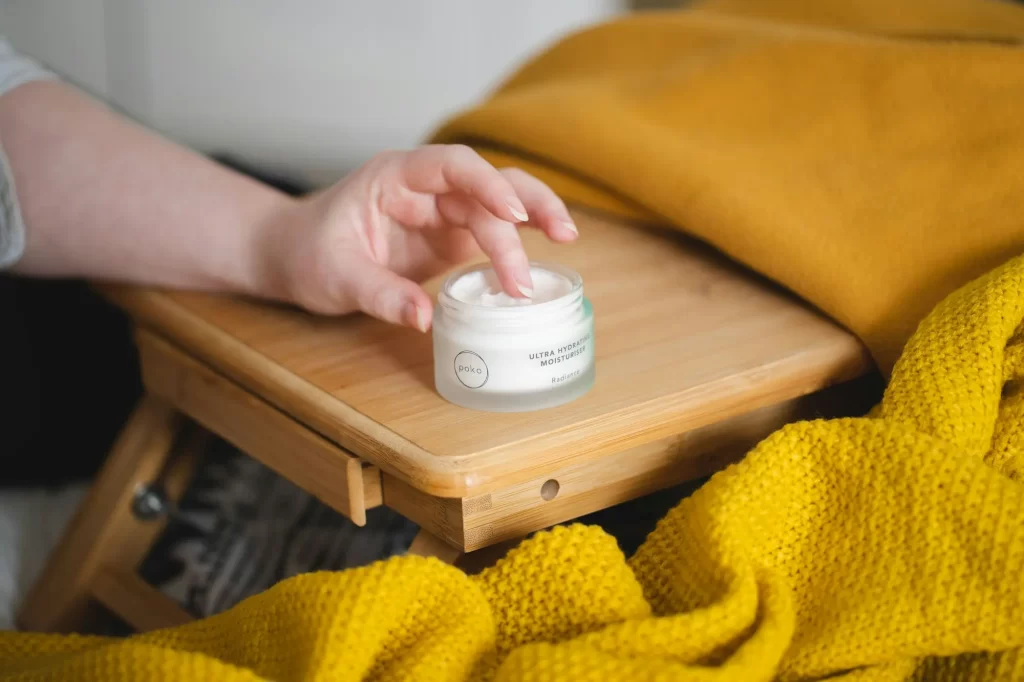
Uneven skin texture causes are one of the most common concerns people bring to skincare. Skin that feels rough, bumpy, or uneven under the fingertips, even when it looks relatively clear to the eye, can be both frustrating and difficult to pinpoint. Understanding what causes uneven skin texture is the first step towards choosing the right approach to improve it.
What Is Uneven Skin Texture?
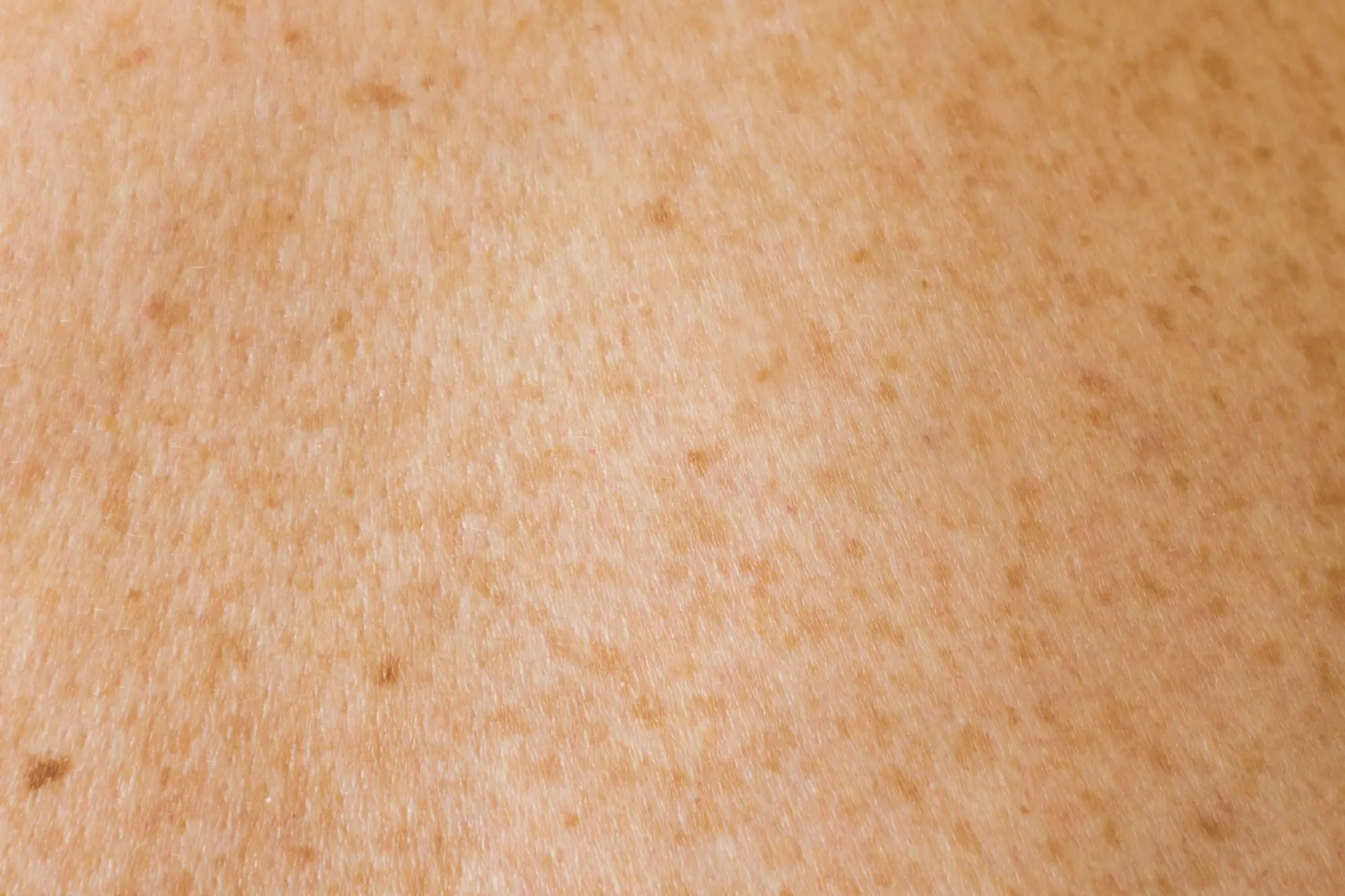
Uneven skin texture refers to any deviation from the smooth, even surface that healthy skin naturally has. This can manifest in several ways:
- Rough or sandpaper-like surface
- Visible pores that appear enlarged
- Bumpy skin, including closed comedones or keratosis pilaris on the body
- Pitted texture from old acne scarring
- Dry, flaky patches in some areas alongside oilier patches in others
Texture and tone are different things, though they often coexist. Tone refers to colour and pigmentation. If that is your concern, read our guide on why hyperpigmentation takes time to fade. Texture refers to the physical surface of the skin. Both can affect the overall appearance of the complexion, but they require different approaches.
Common Uneven Skin Texture Causes
Dead skin cell build-up
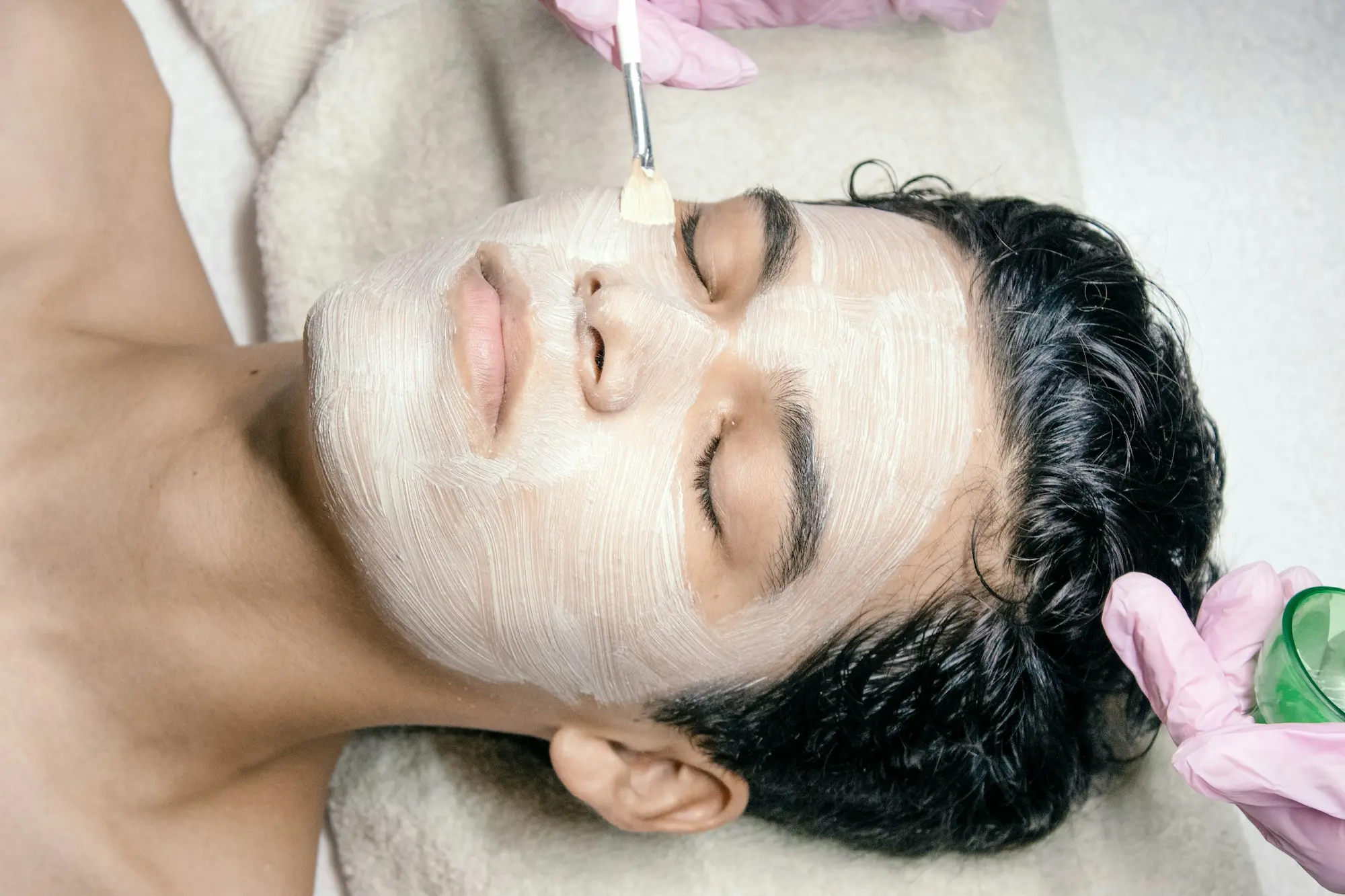
The most frequent cause of rough or uneven skin texture is the accumulation of dead skin cells on the surface. The skin sheds these cells naturally, but the process slows with age and can be further disrupted by dry conditions, cold air, or a compromised skin barrier. When dead cells build up rather than sloughing away efficiently, the surface becomes rough and dull.
Dehydration
Skin that lacks adequate hydration in its upper layers looks and feels different from well-hydrated skin. Dehydrated skin often feels rough to the touch and can develop fine, crinkled lines when pressed. It also does not reflect light evenly, contributing to a flat, uneven appearance. If your skin still feels dry despite regular moisturising, read why your skin feels dry even after moisturising for a deeper breakdown.
Excess sebum and clogged pores
When oil, dead cells, and other debris block the skin’s pores, the result can be a bumpy, uneven surface even if the skin is not technically breaking out. Blackheads, whiteheads, and closed comedones all create textural irregularities that are separate from active acne.
Post-acne scarring
Previous acne breakouts can leave behind textural changes, including pitted scars or areas where the skin’s collagen structure was disrupted during the healing process. These are more persistent than post-inflammatory hyperpigmentation and typically require more targeted treatment.
Sun damage
Chronic UV exposure thickens the outer skin layer over time and can disrupt the even production and shedding of skin cells. This contributes to a rougher texture, particularly in areas that receive the most sun exposure.
Reduced skin cell turnover with age
As the skin ages, cell turnover slows considerably. What previously took around 28 days can extend to 40 to 60 days or more. This means dead cells spend longer on the surface, contributing to cumulative textural irregularity.
Mitigating The Uneven Skin Texture Causes
Regular, gentle exfoliation
Exfoliation is the most direct tool for addressing texture caused by dead cell build-up. Chemical exfoliants are generally more effective and gentler than physical ones for this purpose.
- Lactic acid is a gentle AHA that also has some moisturising properties, making it good for dry or sensitive skin
- Glycolic acid penetrates more deeply and is effective for more significant textural changes
- Mandelic acid is larger in molecular size and penetrates more slowly, making it a gentler option for reactive skin
Use exfoliants once or twice a week initially and assess how the skin responds before increasing frequency.
Consistent hydration
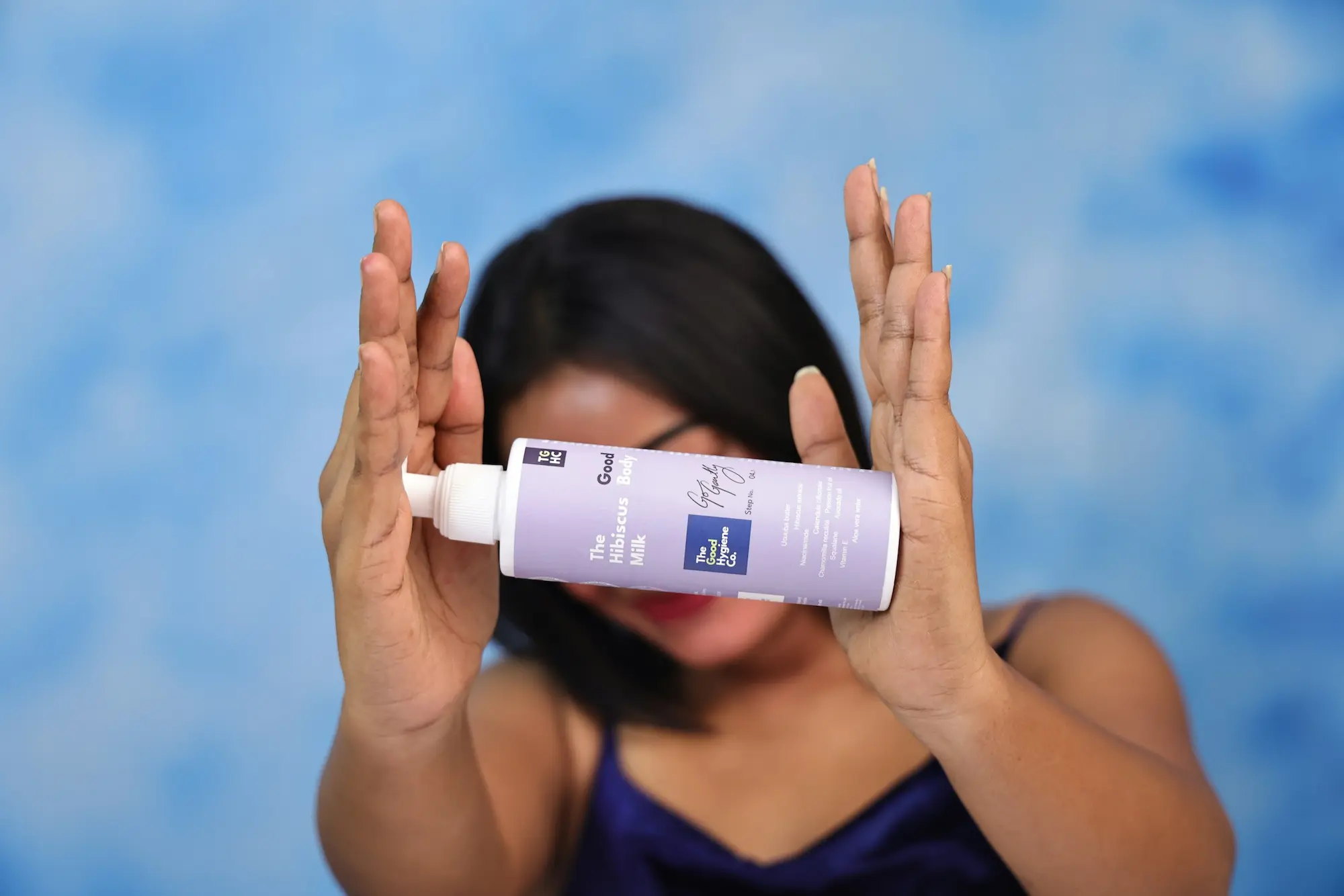
Keeping the skin well-hydrated plumps the upper layers and creates a smoother surface. Use a hydrating toner, follow with a serum containing hyaluronic acid or glycerin, and seal with an appropriate moisturiser. The Atelo Radiance Boosting Cream is designed to improve the appearance of tone and smoothness, which can contribute to a more even texture over time.
Niacinamide for pore appearance
Niacinamide has reasonable evidence for helping minimise the visible appearance of pores and improving skin texture when used consistently over several weeks. It is well-tolerated by most skin types, including sensitive skin, and can be used morning and night.
SPF to prevent further damage
UV exposure contributes to textural changes over time. Using SPF daily prevents this progression and allows the skin improvement from other steps to be maintained.
Retinoids for more significant texture improvement
For persistent uneven texture, retinoids are among the most evidence-backed options available. They stimulate cell turnover, support collagen production in the deeper skin layers, and can improve the appearance of pitting and rough patches over time. Start with a low concentration used once or twice a week, always paired with strong hydration support and SPF.
What to Avoid When Trying to Improve Skin Texture
- Over-exfoliating, which damages the barrier and can actually worsen texture
- Physical scrubs with rough particles that cause micro-irritation
- Skipping SPF, which allows ongoing UV damage to undermine progress
- Expecting immediate results, as genuine textural improvement takes consistent effort over weeks
How Long Does It Take to See Results?
Mild textural irregularity caused by dead cell build-up and dehydration can improve noticeably within four to eight weeks of consistent exfoliation and hydration. More persistent texture issues, including post-acne scarring or long-standing sun damage, take longer, typically three to six months, and may benefit from professional treatments alongside a home routine.
Improving Uneven Skin Texture: The Core Approach
Understanding uneven skin texture causes allows you to direct your efforts at the right targets. For most people, the combination of gentle regular exfoliation, consistent hydration, and daily SPF addresses the majority of everyday textural concerns within a few weeks.
For more stubborn or long-standing texture issues, adding a retinoid and being patient with the timeline is the most effective approach available outside of a clinical setting. Work with your skin, not against it, and the results will be more sustainable over time.
Frequently Asked Questions (FAQs)
What are the most common causes of uneven skin texture?
The most common uneven skin texture causes include dead skin cell accumulation on the surface when the skin’s natural shedding process slows with age or dry conditions; dehydration in the upper skin layers that creates a rough, crinkled surface; excess sebum and clogged pores that produce bumps and textural irregularities even without active breakouts; post-acne scarring where collagen structure was disrupted during healing; chronic UV exposure that thickens the outer skin layer and disrupts even cell shedding; and reduced cell turnover with age, which extends from the standard 28-day cycle to 40 to 60 days or more. In most cases, several of these factors are contributing simultaneously.
How do you improve uneven skin texture effectively?
To improve skin texture effectively, combine five targeted steps: exfoliate once or twice a week using a chemical exfoliant such as lactic acid, glycolic acid, or mandelic acid to clear dead cell build-up from the skin surface; hydrate consistently with a layered toner, serum, and moisturiser routine to plump the upper skin layers; apply niacinamide daily to minimise the visible appearance of pores and refine surface texture over time; use SPF every morning to prevent further UV-related textural changes from undermining your progress; and for more persistent texture concerns, introduce a low-concentration retinoid once or twice a week to stimulate cell turnover and support deeper skin renewal. Mild textural irregularity typically improves within four to eight weeks of consistent effort.
What causes rough skin texture and how can you fix it?
Rough skin texture is most commonly caused by a build-up of dead skin cells that have not shed efficiently from the surface, dehydration in the upper skin layers that prevents smooth light reflection, and clogged pores filled with excess oil and debris. For most people, the fix involves two parallel actions: gentle chemical exfoliation using lactic or glycolic acid once or twice weekly to physically clear the surface, and consistent layered hydration (toner, hyaluronic acid serum, and a barrier-supporting moisturiser) to plump and smooth the skin from within. Avoid physical scrubs with rough particles, which cause micro-irritation that worsens texture rather than improving it.
What are the best smooth skin tips for improving texture at home?
The most effective smooth skin tips for improving texture at home centre on three consistent habits: exfoliate gently with a chemical exfoliant (lactic acid for dry or sensitive skin, glycolic acid for more significant textural concerns, or mandelic acid for reactive skin) once or twice a week to remove dead cell build-up; hydrate daily with a layered routine of hydrating toner, humectant serum, and a moisturiser formulated to improve surface tone and smoothness; and apply broad-spectrum SPF every morning without exception, as UV exposure continuously thickens the outer skin layer and counteracts any textural progress made through your routine. For stubborn texture, adding a low-concentration retinoid to the evening routine two nights a week can accelerate improvement over three to six months.
What skincare routine and ingredients work best for uneven skin texture?
The most effective skin texture skincare routine combines four ingredient categories working in sequence: a chemical exfoliant (lactic acid, glycolic acid, or mandelic acid used one to two times weekly) to clear dead cell accumulation from the surface; hyaluronic acid and glycerin in a serum layer to restore hydration that plumps and smooths the skin; niacinamide applied morning and night to minimise pore appearance and refine surface texture with consistent use; and a moisturiser that supports both hydration and surface smoothness, applied to slightly damp skin to seal in previous layers. For persistent textural concerns like post-acne scarring or long-standing sun damage, retinoids provide the strongest evidence-backed improvement available for home use, though results require three to six months of patient, consistent application.