
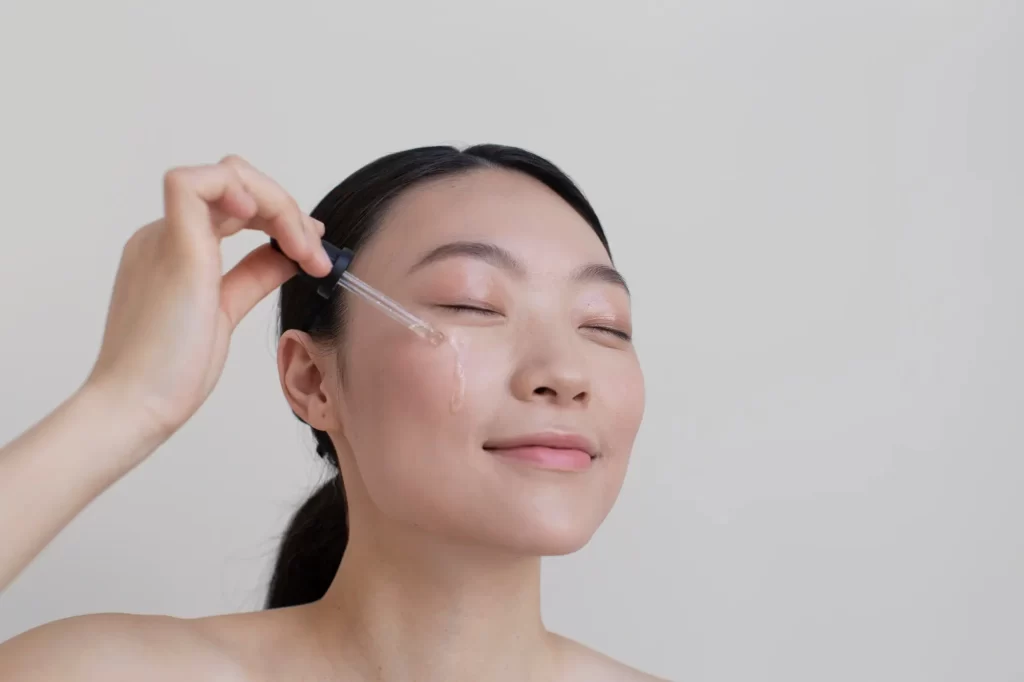
A damaged skin barrier is one of the most common underlying causes of persistent skin problems, from chronic dryness and flakiness to sudden sensitivity and reactive skin. If your skincare routine has stopped working, or if your skin is reacting to products it used to tolerate, a compromised barrier is likely responsible. This guide explains how to fix skin barrier for your damaged skin using a structured, practical approach.
How to Tell If Your Skin Barrier Is Damaged
Before starting a repair protocol, it helps to confirm that the skin barrier is actually the problem. The following signs are characteristic of a compromised barrier:
- Skin feels tight, dry, or uncomfortable after cleansing
- Redness or blotchiness that was not there before
- Stinging or burning when applying products that were previously fine
- Flakiness or rough, uneven texture
- Breakouts appearing in unusual patterns or taking longer to heal
- Skin feels sensitive to temperature changes or environmental factors
If several of these apply, the following steps will help you start the repair process.
Step 1: Strip Back Your Routine

The first and most important step in fixing a damaged skin barrier is simplification. Remove any products that could be causing ongoing irritation. This typically includes:
- Retinoids and vitamin A products
- High-concentration acids such as AHAs, BHAs, or vitamin C
- Physical exfoliants or scrubs
- Fragranced products
- Alcohol-heavy toners or astringents
While it can feel counterintuitive to use fewer products, the skin barrier repairs itself most effectively when it is not under continued stress from active ingredients. Give the skin a period of calm before reintroducing anything.
Step 2: Switch to a Gentle, pH-Balanced Cleanser
The cleanser is the one product that touches your skin twice a day every day, which means a harsh cleanser can continually undermine any repair progress. Choose a gentle, pH-balanced formula that does not foam aggressively and does not leave skin feeling tight after rinsing.
In the mornings, if your skin is particularly reactive, consider rinsing with cool or lukewarm water only and skipping the cleanser altogether until the barrier has had time to stabilise.
Step 3: Prioritise Hydration
A damaged skin barrier struggles to retain moisture, so hydration support needs to be consistent and layered. The goal is to provide the skin with both moisture and the tools to hold onto that moisture.
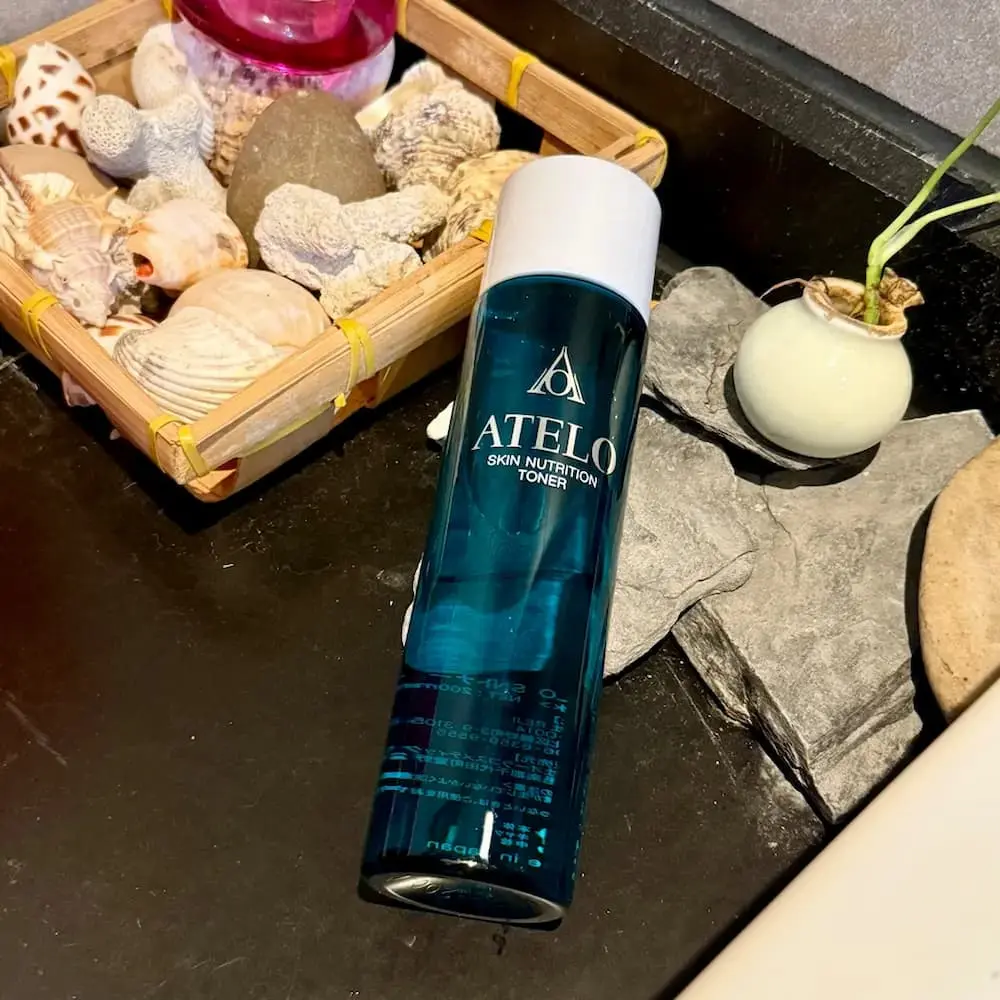
Start with a hydrating toner applied with clean hands rather than a cotton pad, which can cause friction. Follow with a gentle, hydrating serum containing ingredients like glycerin or hyaluronic acid. Seal everything with a rich but non-irritating moisturiser.
The Atelo Skin Nutrition Toner prepares and conditions the skin after cleansing, helping it absorb subsequent steps more effectively. This kind of layering approach supports the barrier by keeping hydration levels more consistent throughout the day.
Step 4: Use Barrier-Repairing Ingredients
Not all moisturising ingredients help the skin barrier recover. The most effective ones for barrier repair are those that either mimic or replenish the skin’s natural lipid structure:
Ceramides
Ceramides are the primary lipid component of the skin barrier. Products that include ceramides help restore the barrier structure directly and are one of the best-studied ingredients for barrier recovery.
Fatty acids
Fatty acids such as linoleic acid, stearic acid, and palmitic acid are also components of the skin’s lipid matrix. They help reinforce the barrier structure and reduce transepidermal water loss.
Panthenol
Panthenol (vitamin B5) supports skin healing and has both hydrating and soothing properties. It is well-tolerated and useful during barrier recovery, particularly when the skin is also feeling inflamed or reactive.
Atelocollagen
While primarily associated with structural skin support, atelocollagen in formulations like the Atelo Radiance Boosting Cream can contribute to the overall health and resilience of the skin, which matters during recovery. Supporting skin structure helps maintain the foundation that the barrier sits on.
Step 5: Protect the Skin from Further Damage
While the barrier is repairing, protecting it from additional stressors is essential. This means:
- Wearing SPF every morning, as UV radiation disrupts barrier function
- Avoiding very hot showers, which strip natural lipids
- Patting skin dry gently rather than rubbing
- Washing pillowcases regularly to reduce bacterial exposure to vulnerable skin
- Using a humidifier if you spend long hours in air-conditioned environments
Step 6: Be Consistent and Patient

Skin barrier repair does not happen overnight. Depending on the extent of the damage, it can take anywhere from two to eight weeks of consistent care to see meaningful improvement. The temptation to return to active ingredients too quickly is one of the most common reasons barrier repair stalls.
A useful marker for progress is reduced stinging when applying your routine products. As the barrier rebuilds, the skin becomes less reactive and more comfortable with each passing week.
When to Reintroduce Active Ingredients
Once your skin has been feeling comfortable, non-reactive, and hydrated for at least two to three weeks, you can begin reintroducing actives very gradually. Start with the mildest option, use it once a week, and increase frequency slowly if the skin tolerates it well.
Never rush this stage. A premature return to aggressive active ingredients is the most common cause of repeated barrier damage cycles.
Fixing Your Skin Barrier for the Long Term
Knowing how to fix your skin barrier is only part of the picture. The longer-term goal is building habits that maintain barrier health so you do not end up in the same situation repeatedly.
This means choosing gentle cleansers over harsh ones as a default, not over-exfoliating, keeping your routine hydration-focused rather than active-heavy, and using SPF consistently. These habits, done consistently, keep the barrier in good condition and reduce the risk of recurring damage.
The skin barrier is remarkably resilient when given the right environment to recover. With the right approach, most cases of barrier damage can be turned around within a few weeks, leaving skin that feels more comfortable, looks healthier, and responds better to your overall skincare routine.
Frequently Asked Questions (FAQs)
How do you fix a damaged skin barrier?
To fix a damaged skin barrier, follow a structured six-step approach: first, strip back your routine by removing all active ingredients like retinoids and exfoliating acids; switch to a gentle, pH-balanced cleanser; layer hydration using a toner, serum, and rich moisturiser; use barrier-repairing ingredients like ceramides, fatty acids, and panthenol; protect skin from UV and environmental stressors with daily SPF; and stay consistent for at least two to eight weeks. Simplicity and patience are the two most critical factors in barrier recovery.
What are the symptoms of a damaged skin barrier?
The most common damaged skin barrier symptoms include persistent tightness or dryness after cleansing, sudden redness or blotchiness, stinging or burning when applying products that were previously well-tolerated, flakiness and rough skin texture, breakouts that are slower to heal than usual, and heightened sensitivity to temperature or environmental changes. If several of these occur together, the skin barrier is likely compromised rather than simply dehydrated.
How long does skin barrier recovery take?
Skin barrier recovery typically takes between two and eight weeks of consistent, simplified skincare. The timeline depends on the extent of the damage: mild cases may show improvement within two weeks, while more severe barrier disruption can take up to two months of dedicated care. A reliable sign of progress is reduced stinging when applying routine products, as this indicates the barrier is actively rebuilding and becoming less reactive over time.
What are the best ingredients for barrier repair skincare?
The most effective ingredients for barrier repair skincare are ceramides, which directly replenish the skin’s lipid structure; fatty acids such as linoleic and palmitic acid, which reinforce the barrier matrix; panthenol (vitamin B5), which soothes and supports healing in reactive skin; and atelocollagen, which supports the skin’s structural resilience and overall barrier foundation. These ingredients work best when applied in a layered routine: hydrating toner first, followed by serum, then a richer moisturiser to seal everything in.