
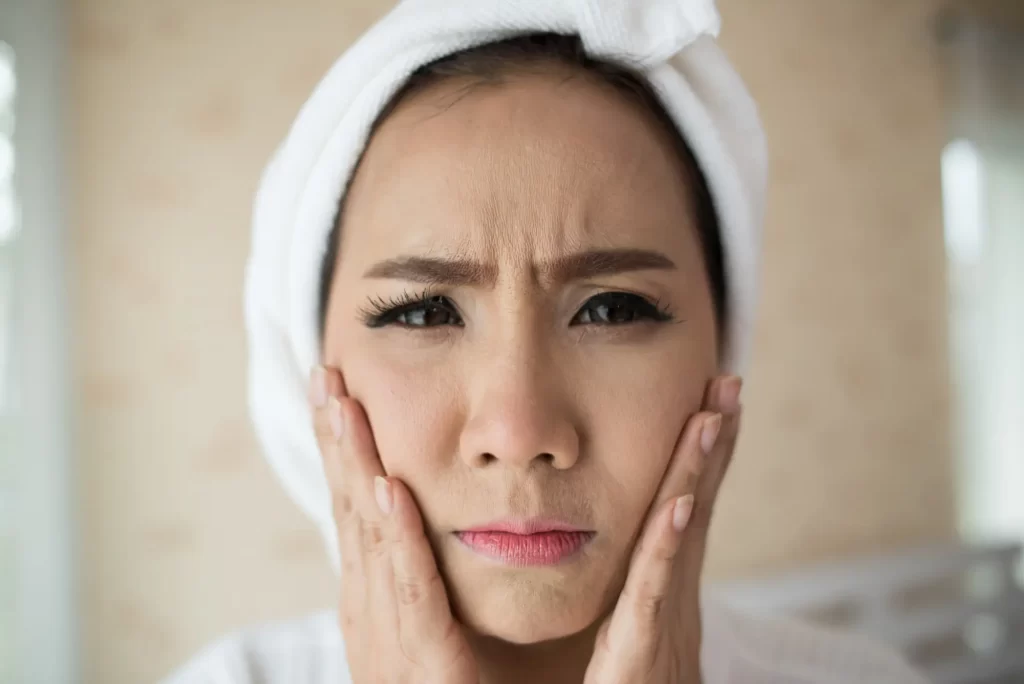
Skin ageing is inevitable, but its pace is not fixed. Understanding what causes skin ageing gives you a clearer picture of which changes are within your control and which are simply the biology of time. The good news is that a significant portion of visible skin ageing is driven by environmental factors that are addressable through skincare, lifestyle, and sun protection.
What Causes Skin Ageing – The Two Types

What causes skin ageing can be divided into two categories: intrinsic and extrinsic. Both contribute to the changes you see over time, but they operate through different mechanisms and respond to different interventions.
Intrinsic ageing
Intrinsic ageing is the biological, time-driven process that happens regardless of external factors. It is determined largely by genetics and is characterised by gradual, predictable changes:
- Collagen production declines by roughly one to two percent per year from the mid-twenties
- Elastin fibres become less efficient, reducing the skin’s ability to spring back after movement
- Cell turnover slows, extending the cycle from around 28 days in youth to 40 to 60 days or more in later decades
- Sebaceous gland activity decreases, reducing natural oil production and contributing to increased dryness
- The hypodermal fat layer beneath the skin thins, reducing the structural support that keeps skin appearing plump
Intrinsic ageing cannot be stopped, but its visible effects can be slowed and partially addressed with the right skincare approach.
Extrinsic ageing
Extrinsic ageing accounts for the majority of visible skin changes over a lifetime and is driven by environmental factors. Research suggests that up to 80 to 90 percent of visible facial skin ageing is attributable to UV exposure alone. Extrinsic factors include:
- UV radiation, which breaks down collagen and elastin, disrupts DNA, and stimulates pigmentation
- Environmental pollution, which generates free radicals that damage skin cells and degrade structural proteins
- Smoking, which reduces collagen production and blood flow to the skin
- Poor sleep and chronic stress, which elevate cortisol and interfere with the skin’s overnight repair processes
- Diet and hydration, which affect the availability of nutrients the skin needs for maintenance and repair
Because extrinsic ageing is driven by modifiable factors, it is also the most responsive to prevention and intervention.
What Causes Skin Ageing: How Collagen Breakdown Drives Visible Ageing
The most visible signs of skin ageing, including fine lines, reduced firmness, and an uneven surface, are largely the result of changes to the collagen and elastin network in the dermis.
Collagen provides the tensile strength and structural framework that keeps skin firm. Elastin provides the flexibility that allows skin to return to its original shape after movement. UV exposure generates reactive oxygen species (free radicals) that damage both proteins and activate enzymes called matrix metalloproteinases (MMPs), which break down collagen and elastin.
This breakdown is cumulative. Each sun exposure without adequate SPF contributes to a gradual thinning of the structural network, which is why UV-driven ageing is much more pronounced on sun-exposed areas than on skin that is regularly covered.
What Happens to the Skin Surface with Age
Beyond the dermis, the skin surface changes significantly with age:
- Dead skin cells take longer to shed, creating a thicker surface layer that scatters light unevenly and causes the dullness associated with what causes skin ageing
- Natural moisturising factors (NMFs) and ceramide production decline, reducing the skin’s ability to retain hydration
- The acid mantle becomes less stable, making the skin more reactive and sensitive
- Melanin distribution becomes less even due to cumulative UV exposure, resulting in age spots and uneven pigmentation
What Skincare Can Realistically Do
Skincare cannot prevent entirely what causes skin ageing, but it can significantly slow extrinsic ageing and address many of the visible changes from both types with consistent use of the right ingredients.
SPF: the highest-impact anti-ageing step
Because UV exposure drives the majority of visible facial ageing, daily broad-spectrum sunscreen is the single most effective anti-ageing skincare step available. Applied consistently from an early age, SPF prevents the collagen breakdown, pigmentation changes, and surface changes that accumulate to become the most visible signs of environmental ageing.
Retinoids: stimulating cell renewal and collagen production
Retinoids are the most extensively studied topical anti-ageing ingredients. They work by binding to retinoic acid receptors in skin cells, upregulating collagen gene expression, and accelerating cell turnover to reveal a fresher surface more quickly. They are the closest thing to a proven collagen-stimulating topical ingredient available over the counter.
Vitamin C: antioxidant protection and collagen synthesis support
Vitamin C is a cofactor in collagen synthesis and a potent antioxidant that neutralises the free radicals generated by UV and pollution. Used in the morning alongside SPF, it provides a complementary layer of protection against the primary drivers of extrinsic ageing.
Atelocollagen: structural skin support
Atelocollagen supports the appearance of firmer, smoother skin with consistent use. As a highly purified form of collagen with its immunogenic telopeptide sections removed, it is well-tolerated by most skin types and supports surface structural integrity in a way that standard collagen ingredients do not. The Atelo Radiance Boosting Cream uses atelocollagen as its core ingredient to support elasticity and surface luminosity over time.
Peptides: signalling collagen production
Signal peptides communicate with fibroblasts to stimulate collagen and elastin synthesis. They are particularly useful for skin that cannot tolerate retinoids, and they layer well in a comprehensive anti-ageing routine alongside structural and protective ingredients.
Hydration: maintaining skin appearance and comfort
Well-hydrated skin reflects light more evenly, appears plumper, and shows less pronounced surface texture changes from ageing. Consistent hydration with humectants, emollients, and barrier-supporting ingredients maintains the surface environment in which structural changes are less visible.
What Causes Skin Ageing: Lifestyle Factors
The most effective anti-ageing approach combines topical skincare with lifestyle habits that address the non-UV extrinsic drivers:
- Consistent, quality sleep supports overnight skin repair and reduces cortisol-driven collagen degradation
- A diet rich in antioxidants from fruits and vegetables provides the raw materials for skin repair and neutralises oxidative stress
- Adequate hydration supports the skin’s natural moisturising factor and surface appearance
- Avoiding smoking, which is one of the most destructive habits for skin collagen and circulation
- Managing chronic stress, which elevates cortisol and directly interferes with the skin’s structural maintenance
Frequently Asked Questions (FAQs)
What causes skin to age and what are the main signs?
What causes skin ageing comes from two distinct causes. Intrinsic ageing is a biological process driven by time and genetics, characterised by declining collagen production (roughly one to two percent per year from the mid-twenties), slower cell turnover, reduced sebaceous gland activity, and thinning of the fat layer beneath the skin. Extrinsic ageing is driven by environmental factors, with UV exposure accounting for up to 80 to 90 percent of visible facial ageing. Main signs include fine lines and wrinkles, reduced skin firmness, uneven pigmentation, dullness from slower cell turnover, increased dryness, and a less even surface texture.
How can you prevent skin ageing with skincare?
Preventing extrinsic skin ageing, which drives most visible changes, is primarily about two habits: daily broad-spectrum SPF and antioxidant protection. SPF prevents UV from breaking down collagen and triggering pigmentation. Vitamin C in the morning complements SPF by neutralising free radicals from UV and pollution. For slowing intrinsic ageing and addressing existing changes, retinoids stimulate cell turnover and collagen production, peptides signal fibroblasts to produce structural proteins, atelocollagen supports surface firmness and structural integrity, and consistent hydration maintains the surface appearance that makes ageing changes more or less visible.
What is the difference between intrinsic and extrinsic skin ageing?
Intrinsic ageing is the biological, time-driven process determined largely by genetics that produces gradual, predictable changes to skin structure regardless of environment. It cannot be stopped but can be slowed by supporting the skin’s natural processes with targeted skincare. Extrinsic ageing is driven by modifiable environmental factors, primarily UV exposure, pollution, smoking, poor sleep, and diet. Because extrinsic ageing is driven by factors within your control, it is also the most responsive to prevention: consistent daily SPF use alone can significantly slow the pace of visible skin ageing for most people over a lifetime.