

Glass skin is a term that originated in Korean beauty culture to describe skin that appears so clear, smooth, and radiant that it looks almost translucent, like glass. It is characterised by an even tone, no visible pores or texture, and a luminous, almost wet-looking glow that suggests deep, consistent hydration. Glass skin has become one of the most popular aspirational skin goals internationally. When figuring out how to get glass skin, the core question is what it actually takes to achieve it, and how realistic it is for different skin types and ages.
What Does Glass Skin Actually Look Like?

Genuine glass skin is not about makeup or heavy highlighter. It is a skin condition characterised by:
-
An absolutely even, consistent skin tone without visible redness, dark spots, or discolouration.
-
A smooth, uninterrupted skin texture with no visible pores, flakiness, or bumps.
-
High skin translucency, where the skin surface has a light-catching quality that suggests it is well-hydrated throughout.
-
A natural glow that is neither oily nor matte, but a smooth, diffuse luminosity.
For those wondering how to get glass skin, it is most naturally achievable in skin that has been consistently cared for over time, has a healthy, intact skin barrier, and is genuinely, deeply hydrated at every layer. It is a cumulative outcome, not something achieved overnight.
The Foundation: Skin Barrier Health
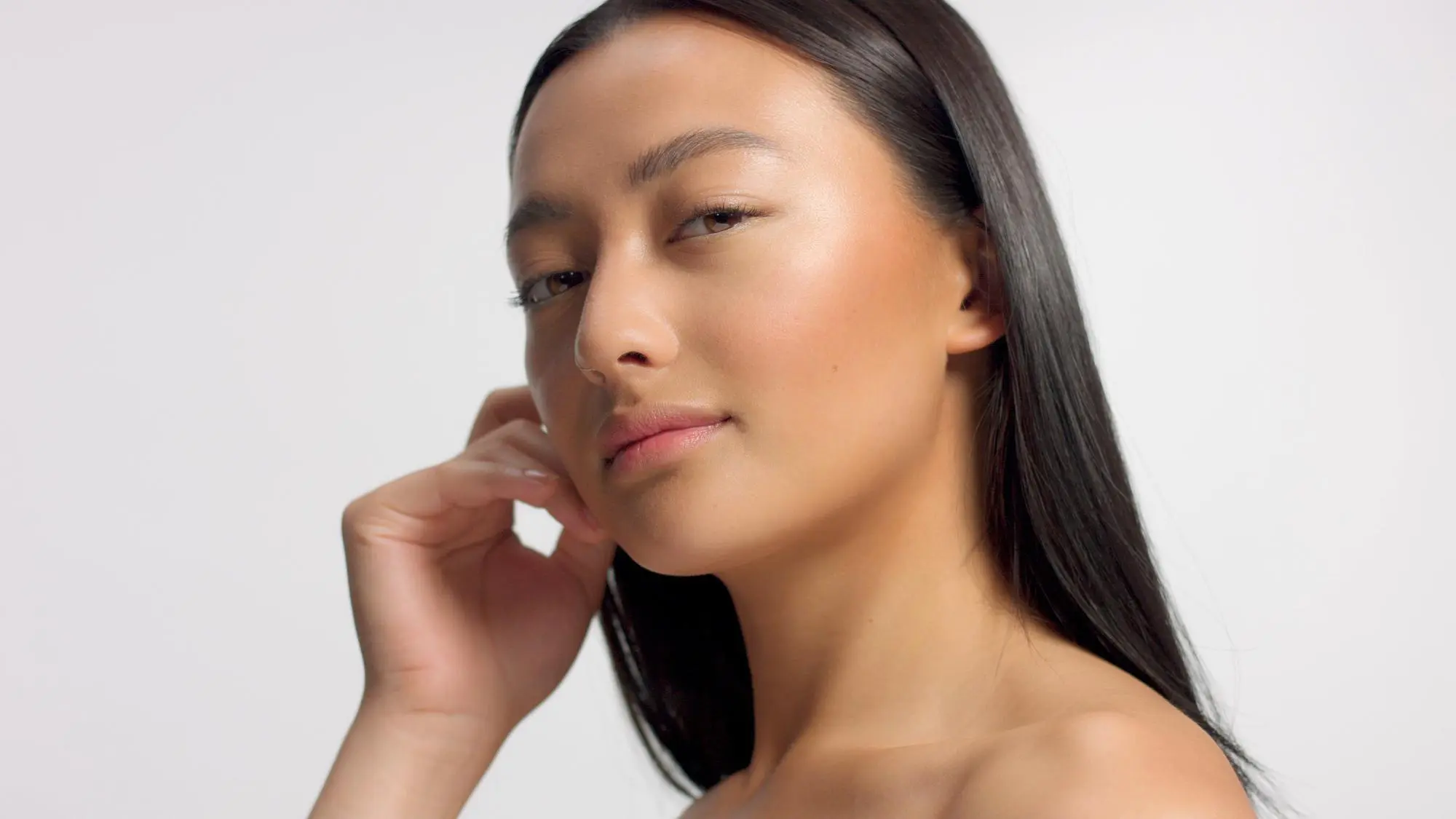
The most important prerequisite for how to get glass skin is a healthy, intact skin barrier. When the barrier is compromised, skin appears dull, uneven, and rough, the opposite of the glass skin effect. A healthy barrier retains moisture efficiently, reflects light evenly, and provides the smooth, undisrupted surface that the glass skin look requires. If your barrier is currently compromised, the first step in learning how to get glass skin is barrier repair: strip back actives, switch to gentle cleansers, layer hydration, and let the skin stabilise before pursuing more ambitious skincare goals. No amount of layering hydrating products will produce glass skin over a damaged barrier.
Glass Skin Skincare Steps: The Routine
Step 1: Double Cleanse for a Clean, Clear Base
Glass skin starts with thoroughly clean skin. In the evening, double cleanse to remove SPF, makeup, and environmental residue completely. Starting the evening routine on truly clean skin means subsequent hydrating products can penetrate and function properly rather than sitting on a layer of residue. This is a crucial fundamental in how to get glass skin.
Step 2: Layer Hydration with Multiple Lightweight Steps
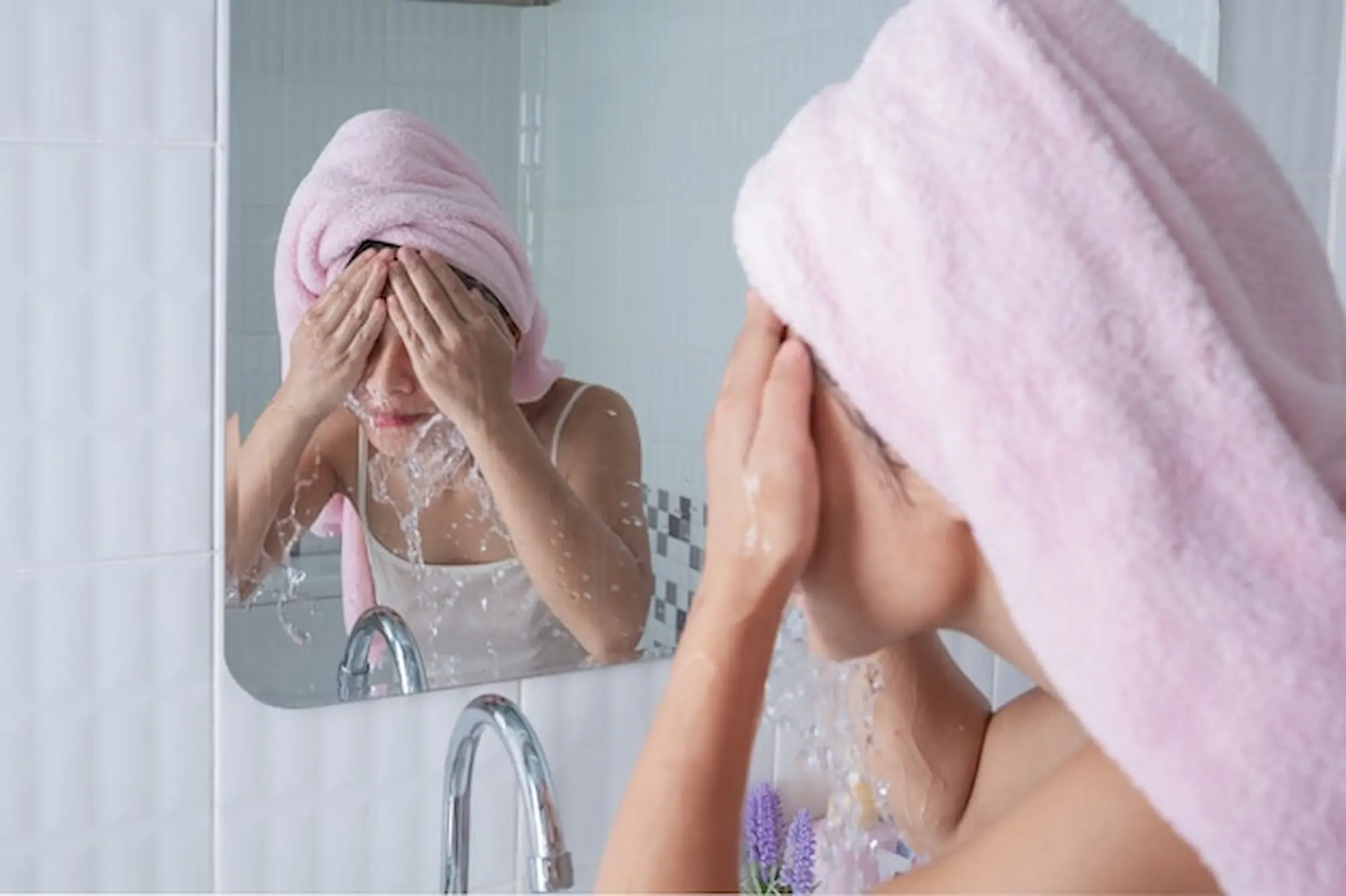
This is the core of any glass skin routine Singapore. Rather than applying one thick moisturiser, the technique involves layering multiple lightweight hydrating steps that build up water content in the skin cumulatively. Each layer adds hydration that the next layer helps to seal. The Atelo Skin Nutrition Toner is a natural fit for this first hydrating layer, conditioning the skin after cleansing and supporting the absorption of everything that follows. Pressed into the skin with clean hands rather than rubbed in, it delivers an initial, even layer of hydration that creates the base for subsequent steps. After toner, an essence or lightweight hydrating serum adds a second layer. Ingredients like hyaluronic acid in multiple molecular weights, glycerin, and panthenol work together at this stage to draw water into multiple layers of the skin. Mastering this hydration technique is the secret to how to get glass skin.
Step 3: A Serum Targeting Your Specific Concerns
After the hydration layers, a targeted serum addresses any specific skin concerns that work against the glass skin appearance. Common ones include:
-
Vitamin C for brightening and evening skin tone.
-
Niacinamide for minimising pore appearance and improving surface texture.
-
Peptides for structural skin support and firmness that contributes to a smoother appearance.
-
Atelocollagen-based serums for supporting the skin structure that makes it look plump and firm.
Step 4: Lock In Hydration with a Luminosity-Supporting Moisturiser
The moisturiser in a dewy skin routine should provide both hydration and a light-reflecting quality. Rich, heavy creams that sit on the skin can look greasy rather than glassy. A moisturiser with a more refined, smooth texture that provides genuine hydration and a natural luminosity works better for this aesthetic. The Atelo Radiance Boosting Cream supports elasticity and surface luminosity, making it a well-suited choice in a glass skin-oriented routine. Its focus on tone and smoothness contributes to the even, light-catching surface that glass skin requires. If you are researching how to get glass skin, choosing the right final seal is essential.
Step 5: SPF in the Morning
SPF is essential in the morning both for skin health and because UV damage, including the uneven pigmentation and surface texture changes it causes over time, works directly against the glass skin goal. A lightweight, non-greasy SPF that does not leave a white cast or heavy residue is the most compatible finish for a glass skin morning routine.
Lifestyle Factors and Translucent Skin Tips
Beyond the topical routine, several lifestyle factors contribute meaningfully to the glass skin appearance:
-
Adequate hydration from drinking enough water supports skin plumpness from within.
-
Quality sleep allows skin to complete its overnight repair cycle, which is visible in morning skin radiance.
-
A diet rich in antioxidants supports the skin’s defences against the oxidative damage that dulls appearance.
-
Managing stress reduces cortisol, which degrades collagen and disrupts the barrier.
These lifestyle habits are a non-negotiable part of how to get glass skin.
Is Glass Skin Achievable for All Skin Types?
Glass skin is an ideal that looks different on different skin types, and that is fine. The principles behind it—barrier health, deep hydration, even tone, and smooth texture—are achievable for all skin types and represent a genuinely healthy and cared-for complexion. The specific visual effect will vary. Oily skin may have a dewy quality that reads as glassy without additional product layering. Dry skin requires more consistent hydration work to build up. Skin with significant texture or pigmentation concerns will take longer and may benefit from professional support alongside topical care. The journey of how to get glass skin is really a journey to your skin’s healthiest version. That goal is worth pursuing regardless of whether the outcome perfectly matches the filtered, softly lit images that popularised the term.
Frequently Asked Questions (FAQs)
What is glass skin and what does it require?
Glass skin is a K-beauty-originated concept describing skin that appears flawlessly clear, smooth, and luminously hydrated, so even in tone and translucent in quality that it resembles glass. When researching how to get glass skin, you will learn that achieving it requires a healthy, intact skin barrier that reflects light evenly, consistent deep hydration built through layering multiple lightweight products, an even skin tone without visible dark spots or redness, and a smooth surface texture without visible pores or roughness. It is a cumulative, long-term outcome of sustained, thoughtful skincare rather than something achievable with a single product or in a short time.
How do you build a glass skin routine step by step?
A glass skin routine is built around layered hydration on a clean, barrier-healthy base. In the evening: double cleanse to remove all sunscreen and residue, apply a hydrating toner and press gently into the skin, follow with a lightweight hydrating essence or serum, add a targeted serum for your specific concern (vitamin C, niacinamide, or peptides), then seal with a moisturiser that provides both hydration and a natural luminosity. In the morning, repeat from toner onwards and finish with a lightweight non-greasy SPF. For those wanting to know how to get glass skin, consistency across weeks and months, not a single application, produces the glass skin effect.
What skincare ingredients help achieve glass skin?
The most relevant ingredients for a glass skin routine include hyaluronic acid in multiple molecular weights to deliver hydration at different skin depths, glycerin and panthenol as humectants that draw and hold water in the skin surface, niacinamide to even skin tone and minimise pore appearance, vitamin C for brightening and antioxidant protection, atelocollagen for structural skin support that contributes to a firmer, smoother surface appearance, ceramides to maintain barrier integrity and prevent moisture loss between hydration layers, and SPF to protect the even tone and smooth surface from UV-driven changes that would counteract the glass skin effect.