
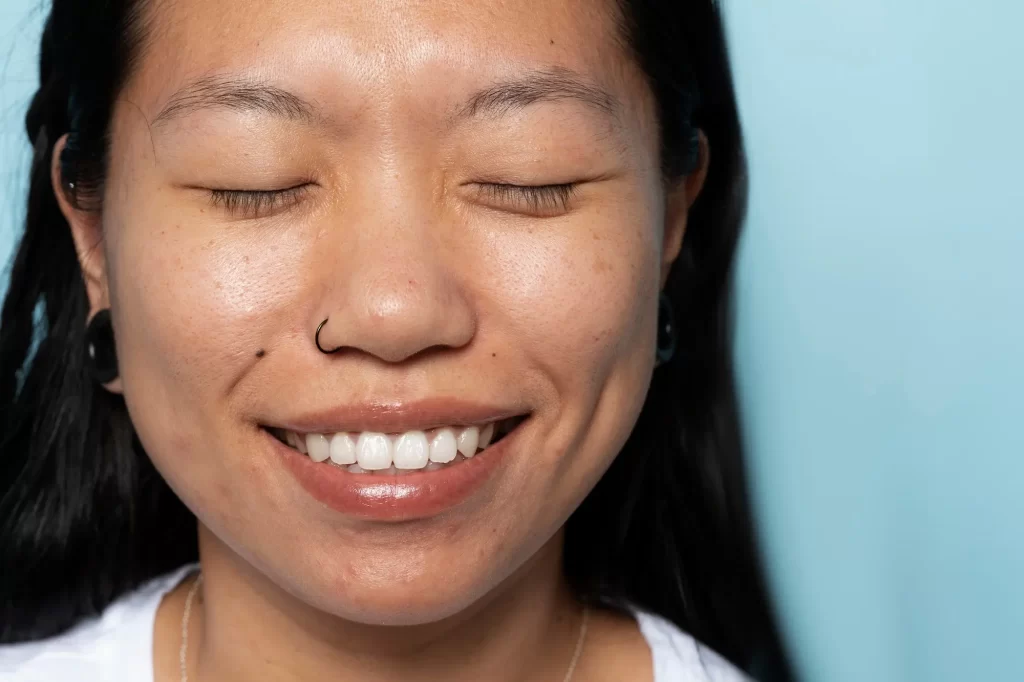
Dark spots tend to arrive quickly and leave slowly. A breakout heals, a stretch of sun catches up with you, and weeks later, a brown mark is still sitting there. If you have been staring at dark spots on face and wondering why they will not budge, you are not imagining the lag. This guide covers what causes them, why fading takes so long, and how to treat dark spots on face gently at home, without harsh actives or empty promises. It is written with the dark spots on face Singapore residents see most, where strong sun and humidity keep the uneven skin tone stubborn.
Common Causes of Dark Spots on Face
Most dark spots are a pigment problem, not a stain on the surface. They form when melanin production ramps up in one area, usually because pigment-making cells have been provoked by the sun, hormones, or inflammation. Dermatologists call this hyperpigmentation, and the marks are simply clusters of extra melanin sitting in the skin.
Understanding the causes of dark spots on face is the first step, because the trigger shapes how long a mark lasts and how you care for it. The three you will meet most often are sun exposure, hormones, and the marks left behind by acne. Knowing which one you are dealing with makes the causes of dark spots on face far less mysterious, and it stops you from reaching for the wrong fix. Excess melanin production from any of these triggers is what leaves dark spots on face looking darker than the skin around them, which is what reads as uneven skin tone.
Sun, Hormones, and Post-Acne Marks
The sun is the big one. Dark spots from sun damage, sometimes called sunspots or solar lentigines, show up on the areas that catch the most light, like the cheeks, nose, and forehead. Every unprotected hour adds to the load.
Hormones drive a second type. Melasma appears as larger, symmetrical patches, often during pregnancy or with hormonal changes, and it is strongly linked to sun and heat.
The third type is the mark a breakout leaves once it has healed. Post acne dark spots, known clinically as post-inflammatory hyperpigmentation, are flat brown or grey marks, not raised scars. This is the key distinction: post acne dark spots sit flush with the skin and fade over time, while true scarring changes the skin’s texture. Most dark spots on face from acne are this flat, fading kind, which responds well to gentle care and patience.
Why do Dark Spots Take So Long to Fade
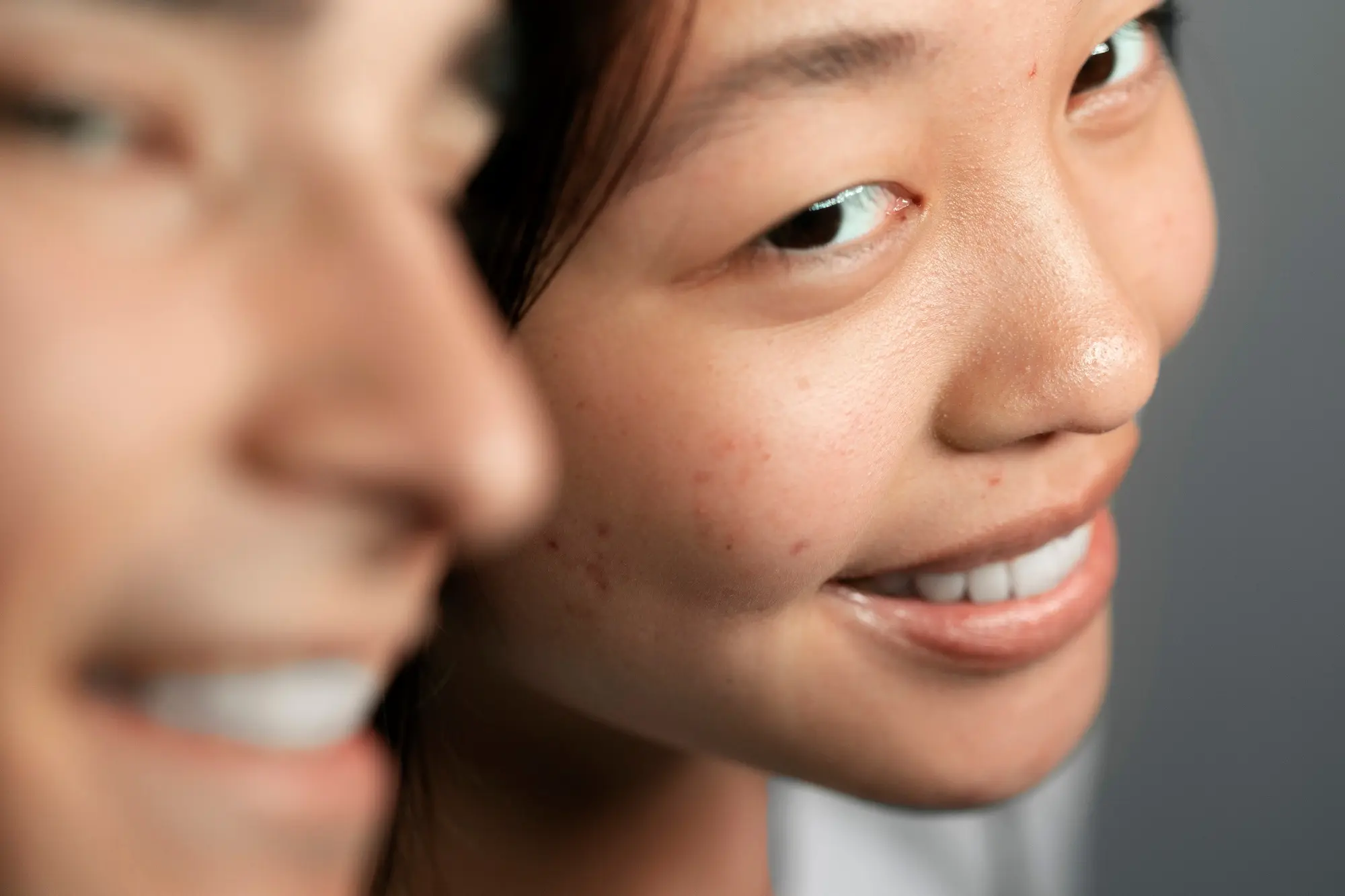
Here is the honest answer to why do dark spots take so long to fade: your skin can only clear pigment as fast as it renews itself. Through a process called skin cell turnover, the skin slowly sheds old cells and pushes new ones up from below. Surface-level pigment rides along with that cycle and is shed over roughly four to six weeks, which is why shallow marks fade first.
The catch is depth. When pigment sits deeper in the skin, it sits below the zone that skin cell turnover reaches easily, so it lingers far longer. That is why the question, “How long do dark spots take to fade”, has no single answer. Shallow marks may soften in a few weeks to a couple of months, while deeper pigment can take many months, and some of it may never fully clear. Turnover also slows with age, which adds to the wait, so if your dark spots on face seem stuck, it is usually depth and biology at work, not a failure on your part.
Why Won’t My Dark Spots Go Away?
The short answer is that you are likely fighting fresh pigment faster than your skin clears the old. Daily sun exposure tops up melanin in the very spots you are trying to fade, so without daily SPF, the work resets each day. Spots can even look darker for a while as pigment rises toward the surface before it sheds, which can feel like going backwards when you are actually progressing.
So, can dark spots on face be removed permanently? Honestly, there is no guarantee. Many marks fade well with consistent, gentle care, but some, especially deeper ones, may only lighten rather than vanish. Anyone promising permanent removal is overselling it. Either way, dark spots on face respond to steady care, not to force.
How To Treat Dark Spots on Face Gently at Home
The good news: treating these marks at home is mostly about being consistent and gentle, not aggressive. This matters more in deeper skin tones, which are common across Singapore, because harsh treatments can backfire. Strong peels, hard scrubbing, and high-strength actives can irritate the skin and trigger more pigment, making marks worse rather than better. Gentle and steady wins here.
The aim of any at-home routine is to support your skin’s natural fading and protect it from fresh damage, not to force a result. Think of it as how to treat dark spots on face the patient way.
Gentle Ingredients and A Simple Routine
A gentle dark spot treatment at home leans on a few well-tolerated ingredients used consistently. When people ask about the best ingredients for dark spots on face, the honest answer is that several work, and none is a single magic fix. These mild ingredients suit dark spots on face that need a slow, low-irritation approach.
Niacinamide is a standout for this region: it is one of the better-studied options for pigmentation in Asian skin, it helps limit how much pigment reaches the surface, and it calms and supports the skin barrier without the sting of stronger actives. A pairing of vitamin C and niacinamide is popular for brightening and antioxidant support. Azelaic acid and alpha arbutin are other gentle options worth knowing.
If you are looking at how to remove dark spots on face naturally, lean on these mild, supportive ingredients and give them time, rather than chasing harsh, quick fixes. Used patiently, this kind of gentle dark spot treatment at home is how to fade dark spots without irritating your skin into making more pigment. Sun protection sits underneath all of it, because none of these steps can outpace daily unprotected sun.
Stronger options exist, such as prescription retinoids or hydroquinone, but those are a dermatologist’s call, not a DIY step. If you want faster how to fade dark spots results, that is a conversation to have with a professional rather than a stronger product off the shelf.
When to See A Dermatologist
Most dark spots are harmless, but some warrant a professional eye. See a doctor or dermatologist if a spot changes shape or colour, grows, bleeds, itches, or simply will not improve after a few months of consistent, gentle care. A check can rule out other causes and point you to options suited to your skin.
Dark Spots on Face in Singapore’s Climate
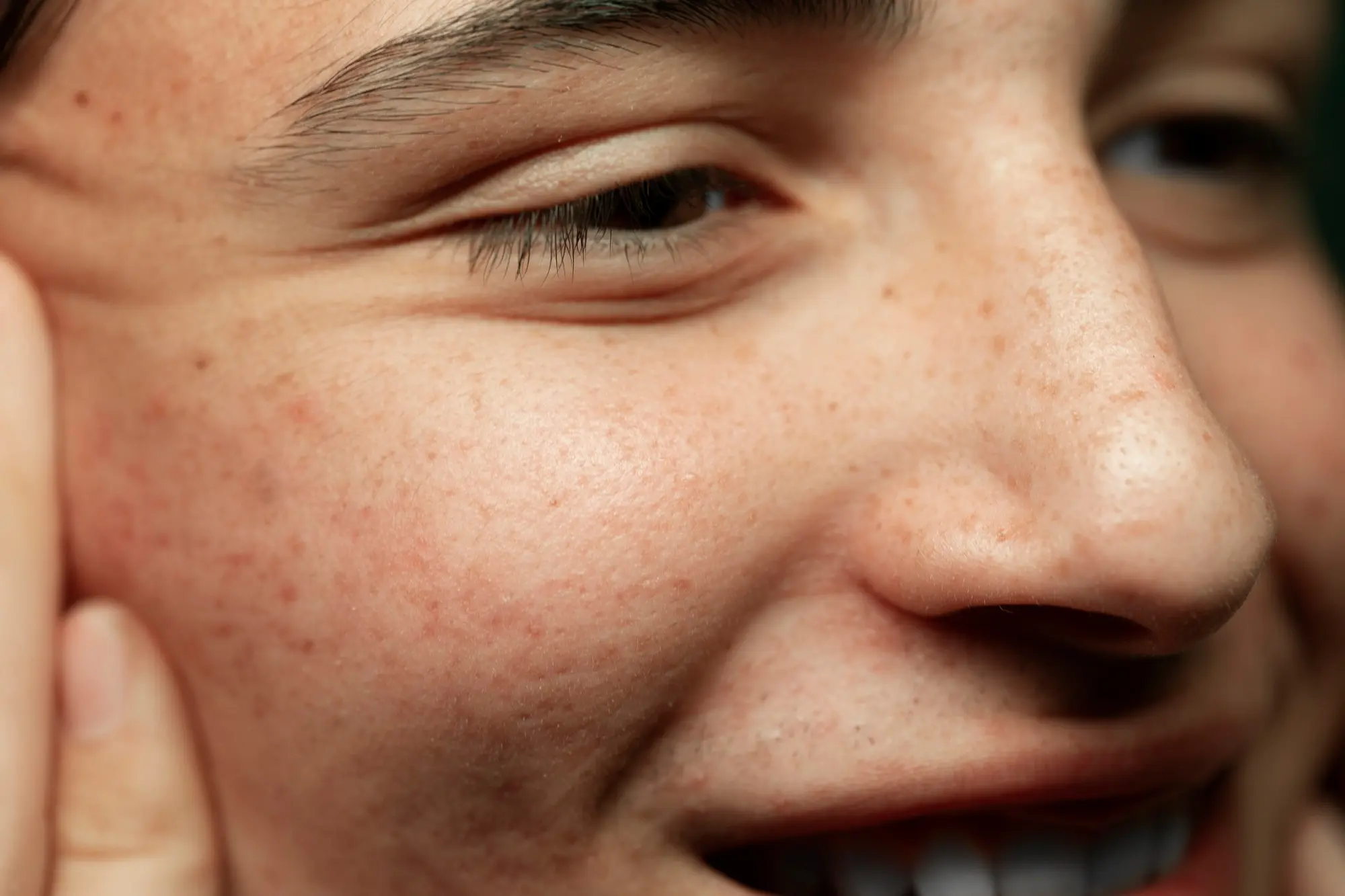
Singapore makes dark spots harder to shift. The sun is strong year-round, and it is not only UV that drives pigment: visible light and heat push pigment cells to overproduce, too. Add high humidity, which keeps sweat and warmth against the skin, and you have an environment that nudges pigment cells along almost daily. This is the kind of hyperpigmentation Singapore climate conditions tend to make more stubborn.
Because the trigger is constant, prevention does the heavy lifting. Dark spots from sun damage build with every unprotected hour outdoors, including short walks and commutes, so steady protection matters more here than in milder climates. These are the dark spots on face Singapore living tends to produce, and they respond best to daily defence rather than occasional effort.
Dark Spot Treatment Singapore: A Gentle Local Approach
For a routine that suits Singapore’s conditions, keep it simple but non-negotiable. Use a broad-spectrum sunscreen every day, apply enough, and reapply throughout the day, especially when outdoors. Seek shade when the sun peaks around midday. Then layer in your gentle brightening ingredients and let them work.
The most reliable dark spot treatment Singapore offers at home is not a single hero product; it is consistent sun protection plus patience. In general, how to fade dark spots comes down to defending the skin daily while gentle actives support its natural renewal.
Your Journey to Fading Dark Spot Starts Here
Dark spots on face are common, and they fade on a timeline that has more to do with skin biology than effort. They come from the sun, hormones, and old breakouts. They clear slowly because skin renews slowly, and the gentle path is to protect daily, support fading with mild ingredients, and give it real time. Be wary of anything promising to erase them overnight. If you want a calm, barrier-friendly place to start, the Atelo range is built around gentle, supportive care that suits this approach and this climate.
Frequently Asked Questions (FAQs)
What deficiency causes dark spots on the face?
Most facial dark spots come from the sun, hormones, or old breakouts, not a deficiency. That said, a vitamin B12 deficiency can cause skin darkening in some people, and a few medical conditions do the same. If darkening is widespread, sudden, or unexplained, see a doctor to check.
Do dark spots on the face go away on their own?
Some do. Shallow, surface-level marks often fade as your skin renews, though it can take months. Deeper pigment may only partly fade, and ongoing sun exposure can stall the process or bring spots back.
How can I remove dark spots naturally at home?
Lean on gentle, well-tolerated ingredients like niacinamide, vitamin C, azelaic acid, and alpha arbutin, used consistently, alongside daily sunscreen. Give it time and avoid harsh scrubs or strong peels, which can make pigment worse.
Why are my dark spots getting darker?
Usually fresh sun exposure tops up pigment, or pigment temporarily rises toward the surface before it sheds. If a spot darkens quickly, changes shape, or looks unusual, have it checked.
Is sunscreen enough to fade dark spots?
Sunscreen is the foundation, but on its own, it mainly prevents spots from worsening rather than actively fading what is already there. Pair daily protection with gentle brightening ingredients and patience.