

Double cleansing benefits more than one cleanser alone in a way that is a two-step cleansing method that uses an oil-based cleanser first, followed by a water-based cleanser. It originated in Korean skincare routines and became mainstream as awareness grew about how difficult it is to remove SPF, makeup, and environmental residue with a single water-based cleanser alone.
The question of whether you should double cleanse depends on your skin type, your routine, and what you are trying to remove. This guide explains how the method works, who benefits from it, and how to do it without over-stripping the skin.
How Double Cleansing Works
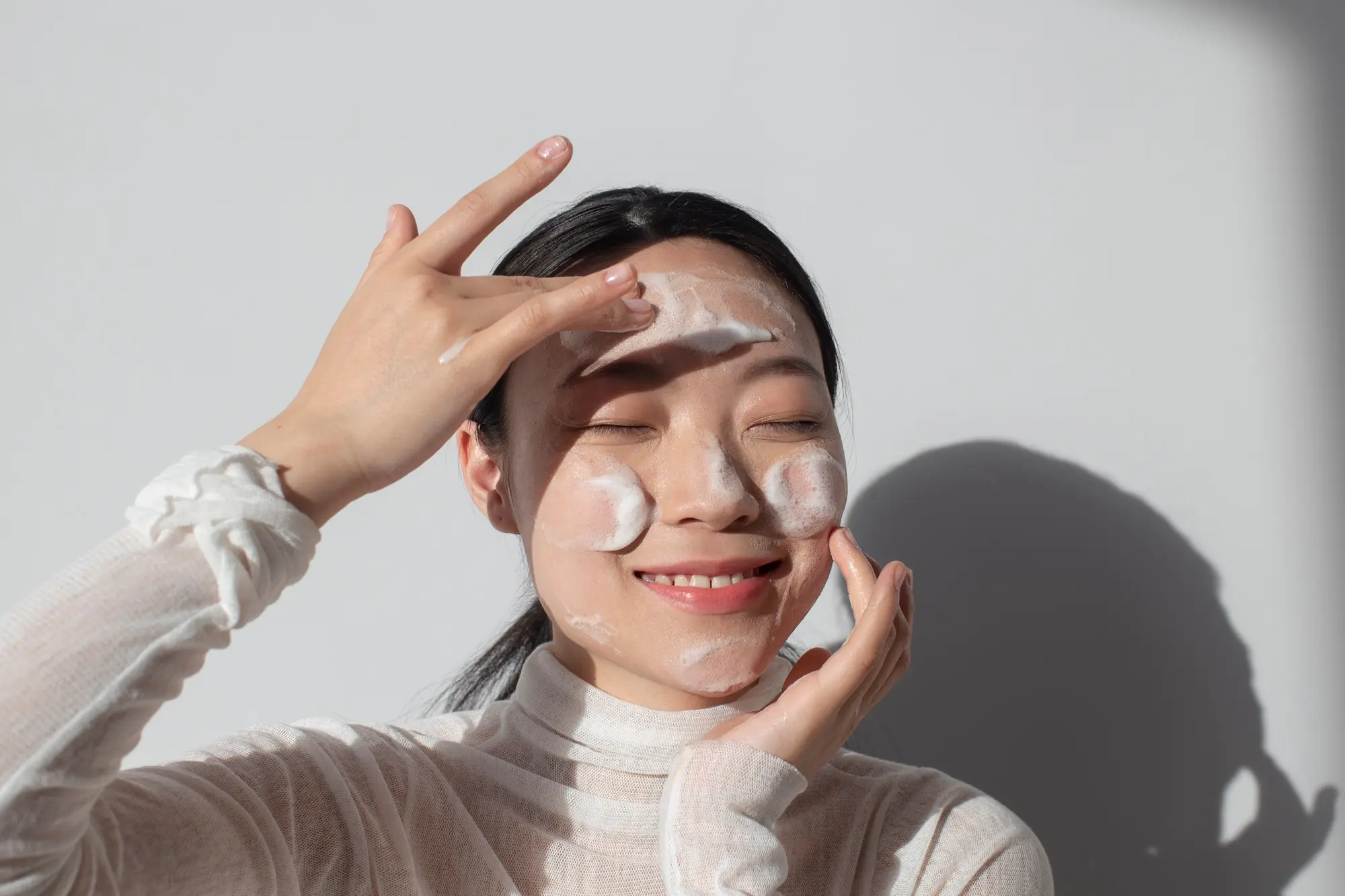
The principle behind double cleansing is chemistry. Oil dissolves oil. The first cleanse, using an oil-based product, breaks down oil-based substances on the skin surface: SPF, silicone-based makeup, excess sebum, and oil-soluble pollutants. These are difficult for water-based cleansers to remove effectively.
The second cleanse, using a gentle water-based cleanser, then removes any remaining residue from the first step along with water-soluble impurities like sweat and environmental particles. The result is a more thorough cleanse than either product alone could achieve.
Who Should Double Cleanse?
Double cleansing is not essential for everyone. The method is most beneficial for:
People who wear SPF daily
Most sunscreens, particularly those formulated for Singapore’s climate with water-resistance and film-forming agents, are difficult to remove completely with a single water-based cleanser. Residual SPF left on the skin overnight can contribute to congestion and dullness over time. If you wear SPF every day (and you should), double cleansing in the evening is a genuinely useful practice.
People who wear makeup
Makeup products, particularly foundations, concealers, and waterproof products, are designed to be long-wearing and tend to bond to the skin. An oil-based first cleanser breaks down this bond more effectively than a water-based product.
People with oily or congested skin
Heavy sebum production can mix with sunscreen, makeup, and pollution throughout the day, creating a complex layer of residue that benefits from the dual-dissolve approach.
People who spend time outdoors in Singapore
Heat and humidity cause sweating, and sweat mixes with sunscreen and pollution to create a residue that deserves a more thorough evening cleanse. Double cleansing is particularly relevant for anyone who commutes outdoors, exercises, or spends significant time outside.
Who Might Not Need to Double Cleanse
Double cleansing is not always necessary or appropriate:
- People who do not wear makeup or SPF (though daily SPF use is strongly recommended regardless)
- People with very dry or sensitive skin who find their barrier struggles with even one gentle cleanse
- In the morning, when the skin only needs to be cleared of nighttime products and natural oils
- People with eczema or rosacea whose skin reacts to additional cleansing steps
How to Double Cleanse Correctly
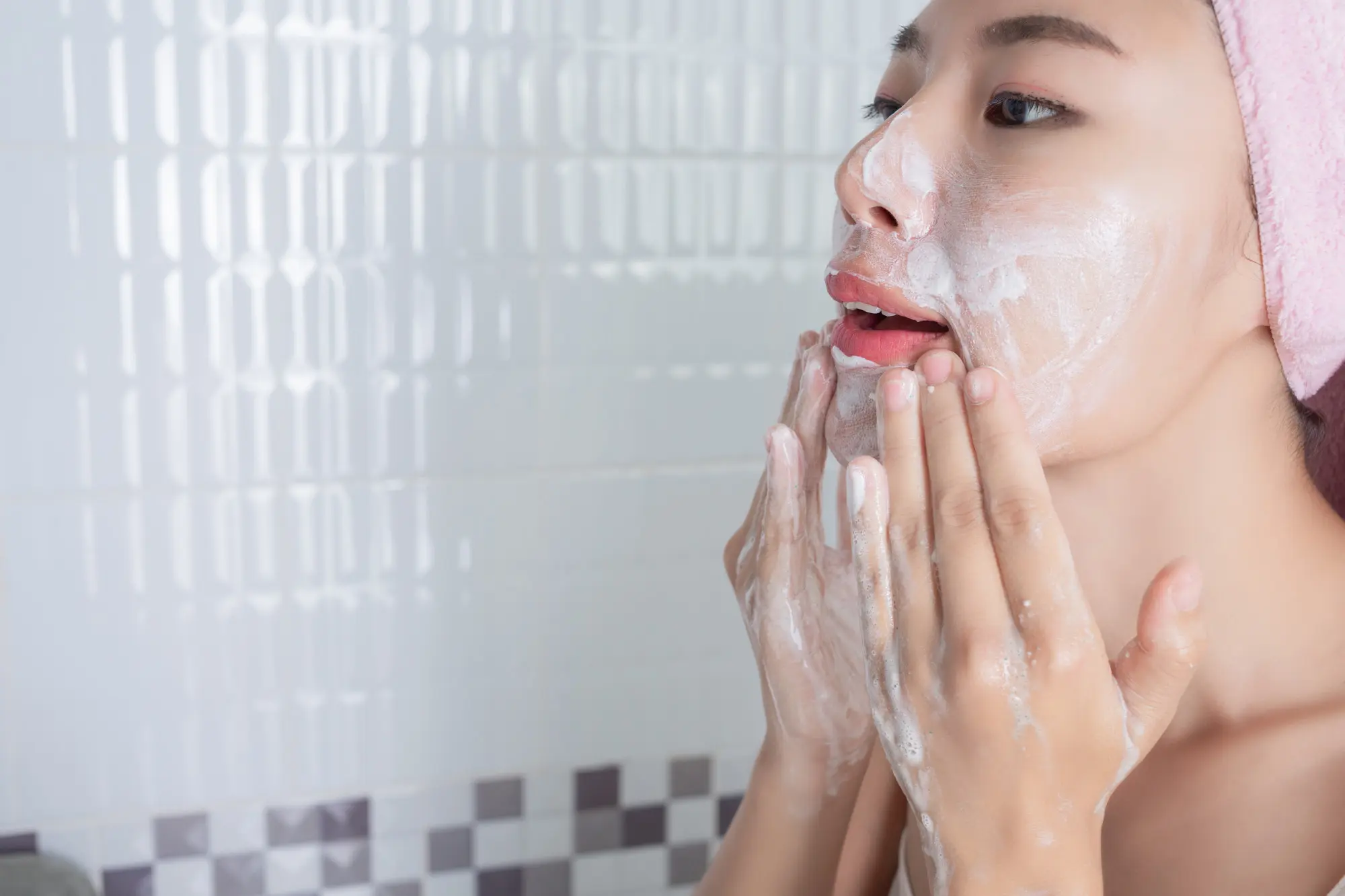
Step 1: Apply the oil-based cleanser to dry skin
This is an important detail: the oil-based first cleanser should be applied to dry skin, not wet. Applying it to wet skin dilutes it and reduces its ability to dissolve oil-based residue. Massage gently in circular motions for 30 to 60 seconds, covering the full face including the hairline and jaw.
Step 2: Emulsify and rinse
Add a small amount of water to your hands and massage the face again. The oil cleanser will emulsify, turning milky, which helps lift the dissolved residue. Rinse thoroughly with lukewarm water.
Step 3: Apply your regular water-based cleanser
Follow immediately with your regular gel or cream cleanser on now-damp skin. Massage gently and rinse thoroughly. The skin should now feel genuinely clean without feeling tight.
Types of Oil-Based First Cleansers
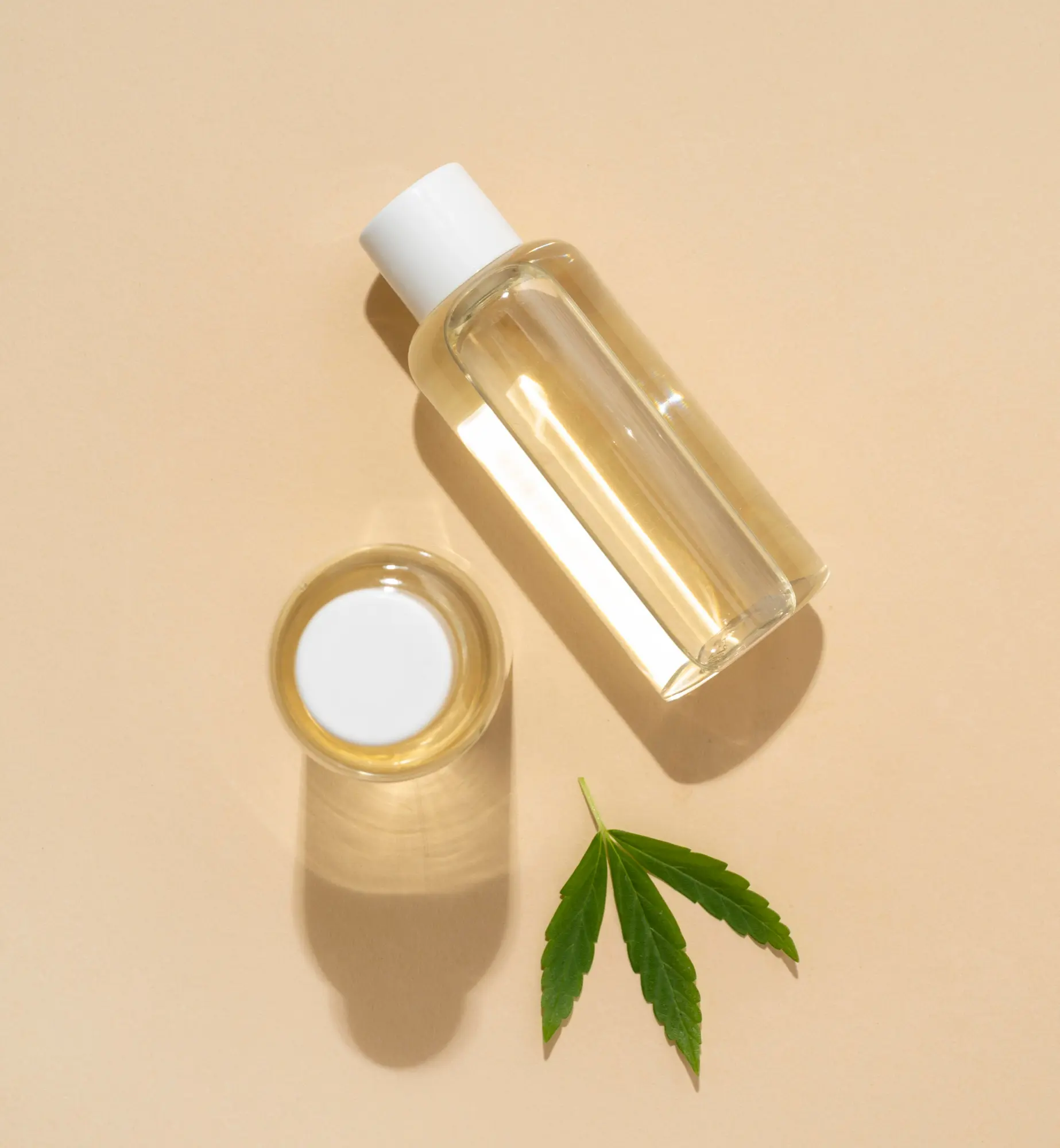
Several formats work as first cleansers. The best choice depends on personal preference and skin type:
Cleansing oils
Pure oil or oil-blend formulas that emulsify when water is added. Effective and gentle, with minimal risk of leaving residue. Good for dry and normal skin.
Cleansing balms
Solid or semi-solid oil formulas that melt on contact with the skin. Often feel more luxurious and can be very hydrating. Suitable for all skin types including dry skin.
Micellar water (as a first step)
Micellar water can work as a pre-cleanse step, particularly for removing eye makeup and surface residue. However, it is generally less effective than true oil-based cleansers at removing heavy SPF, and it requires cotton pads, which cause friction on the skin. Consider it a lighter option for days with minimal sun exposure or no makeup.
Common Double Cleansing Mistakes
Using a first cleanser with fragrance or harsh surfactants
The first cleanser is in contact with the skin while you massage it, meaning irritating ingredients have time to act. Choose fragrance-free, gentle first cleansers, especially for dry or sensitive skin.
Skipping the double cleanse when you feel lazy
The evenings when you are most tired are often the ones when you have accumulated the most SPF and environmental residue. Inconsistent double cleansing means the benefit is not maintained.
Using the same cleanser twice
Double cleansing requires two different types of cleanser for the two different types of residue on the skin. Using the same water-based cleanser twice does not replicate the benefit.
Double Cleansing and Skin Barrier Health
The concern about double cleansing is whether it over-strips the skin barrier. If either cleanser is too harsh, or if the practice is done too aggressively, it can disrupt the acid mantle and deplete natural lipids.
The key is product choice. Gentle, pH-balanced options at both steps prevent over-stripping. If your skin feels tight, sensitive, or unusually dry after double cleansing, the first or second cleanser may be too strong for your skin type, and switching to a gentler formula will resolve the issue.
Frequently Asked Questions (FAQs)
What are the benefits of double cleansing?
The main double cleansing benefits include more thorough removal of SPF, makeup, and oil-soluble pollutants that water-based cleansers cannot break down effectively on their own; a cleaner base for the rest of the skincare routine so that toner, serum, and moisturiser can absorb and function better; reduced congestion and clearer pores over time as residue build-up is cleared more completely; and less dullness from accumulated surface residue. For anyone who wears SPF daily and spends time outdoors in Singapore’s climate, double cleansing in the evening is one of the most impactful single changes to an evening routine.
What is the correct double cleansing method and order?
The correct double cleansing method uses two different cleanser types in this order: first, apply an oil-based cleanser (cleansing oil or balm) to completely dry skin and massage for 30 to 60 seconds to dissolve SPF, makeup, and oil-based residue; add water, emulsify, and rinse. Second, apply your regular water-based gel or cream cleanser to damp skin, massage gently, and rinse. Apply toner immediately afterwards while the skin is still slightly damp. The oil-based first step must be applied to dry skin for it to work effectively — water dilutes the oil and prevents it from breaking down residue properly.
Do you need to double cleanse if you wear SPF in Singapore?
For anyone wearing SPF daily in Singapore, double cleansing in the evening is strongly recommended. Singapore’s year-round extreme UV levels make daily sunscreen essential, and most well-formulated sunscreens use film-forming agents and water-resistance technology that single water-based cleansers struggle to fully remove. Residual SPF left on the skin overnight can gradually contribute to congestion, dullness, and blocked pores. An oil-based first cleanser breaks down the sunscreen film effectively, making the subsequent water-based cleanse more complete and the evening skincare routine more effective overall.
Is double cleansing suitable for sensitive or dry skin?
Yes, when done with appropriately gentle products. Sensitive and dry skin can benefit from double cleansing as long as both cleansers are fragrance-free, pH-balanced, and non-stripping. The most common issue is using a first cleanser that contains fragrance or harsh surfactants that irritate during the massage step. A gentle cleansing balm with skin-compatible oils is often the most comfortable first cleanser for sensitive skin, while a mild, pH-balanced cream or gel cleanser works well as the second step. If skin feels tight or uncomfortable after double cleansing, the issue is almost always the product choice rather than the method itself.