

Oily skin is often misunderstood, and that misunderstanding leads to routines that make the problem worse. The instinct to strip the skin, use harsh cleansers, and skip moisturiser entirely is one of the most common mistakes people with oily skin make. A well-built skincare routine for oily skin works with the skin’s biology rather than against it, controlling shine and congestion without triggering the rebound oiliness that comes from over-stripping.
This guide covers everything you need to build a routine that manages oil effectively and keeps skin balanced throughout the day.
Why Oily Skin Happens
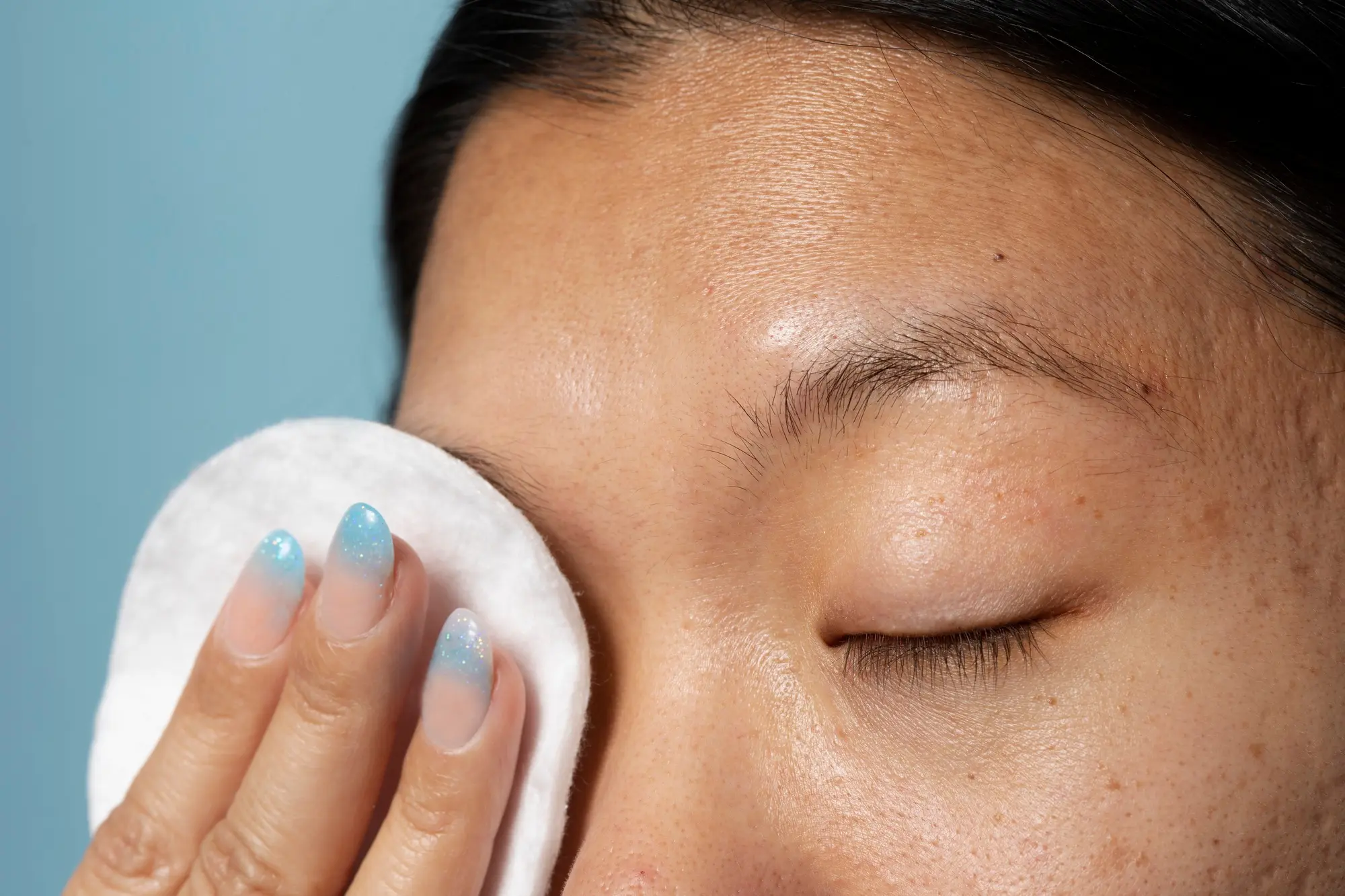
Oily skin is the result of overactive sebaceous glands producing more sebum than the skin needs. Sebum is not inherently bad — it plays an important role in protecting the skin barrier and keeping the skin surface lubricated. The problem arises when production is excessive, leading to shine, congestion, enlarged-looking pores, and a higher tendency towards breakouts.
Several factors contribute to oily skin. Genetics plays the largest role. Hormonal fluctuations, particularly during adolescence and in the days before a menstrual cycle, increase sebaceous gland activity. Heat and humidity also stimulate sebum production, which is why oily skin tends to feel more pronounced during Singapore’s hot outdoor conditions.
Importantly, an overly stripped or dehydrated skin barrier triggers compensatory sebum production. If the skin senses it is losing moisture and lipids too quickly, sebaceous glands respond by producing more oil. This is why harsh cleansers and skipping moisturiser often make oily skin oilier over time.
Step 1: Use a Gentle but Effective Cleanser
A good cleanser for oily skin removes excess sebum, sweat, sunscreen, and pollution without stripping the skin’s natural lipid layer. The distinction is important. You want to clear the excess without taking the baseline.
Gel-based and foam cleansers are typically well-suited to oily skin because they have enough surfactant activity to cut through oil effectively. However, avoid cleansers that leave the skin feeling tight or squeaky-clean after rinsing — this is a sign that the formula is too alkaline and is disrupting the skin barrier, which will ultimately worsen oil production.
Cleanse twice a day: once in the morning and once at night. In the evening, if you have worn SPF, consider double cleansing — an oil-based cleanser first to dissolve sunscreen and surface oil, followed by your regular cleanser.
Step 2: Use a Balancing Toner
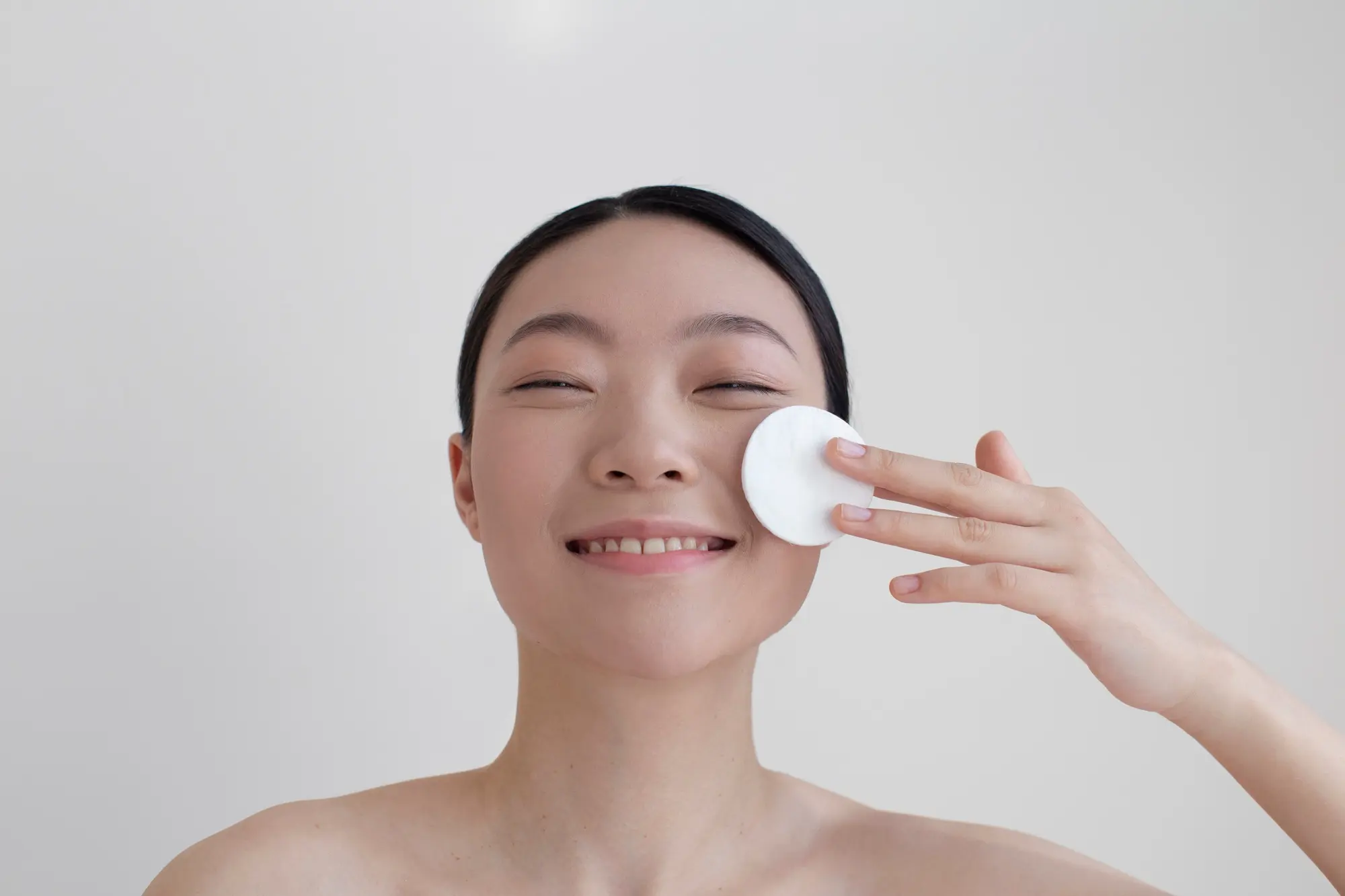
Toner is an important step for oily skin, but the type matters. Old-style astringent toners with high alcohol content are counterproductive — they strip the skin and trigger rebound oiliness. Modern balancing toners with niacinamide, mild exfoliating acids, or pH-supportive ingredients are a much better choice.
A toner that restores pH balance after cleansing is particularly useful for oily skin, because the acid mantle (the slightly acidic protective film on the skin) helps regulate sebum production. When cleansing disrupts this balance, sebum production can increase as the skin tries to compensate.
The Atelo Skin Nutrition Toner conditions the skin after cleansing and supports the absorption of subsequent steps. It works well as a balancing first step in an oily skin routine without adding heaviness or clogging pores.
Step 3: Add a Lightweight Serum if Needed

Oily skin often benefits from a targeted serum, but the formula needs to be non-comedogenic and lightweight. The most useful serums for oily skin typically include:
- Niacinamide (vitamin B3), which has evidence for reducing sebum production, minimising pore appearance, and improving skin texture over time
- Salicylic acid (BHA) used periodically, which penetrates into the pore lining to clear congestion from within
- Hyaluronic acid at a lightweight, watery consistency, which adds hydration without heaviness
Apply serum after toner on slightly damp skin, pressing gently rather than rubbing. Allow 20 to 30 seconds to absorb before the next step.
Step 4: Do Not Skip Moisturiser
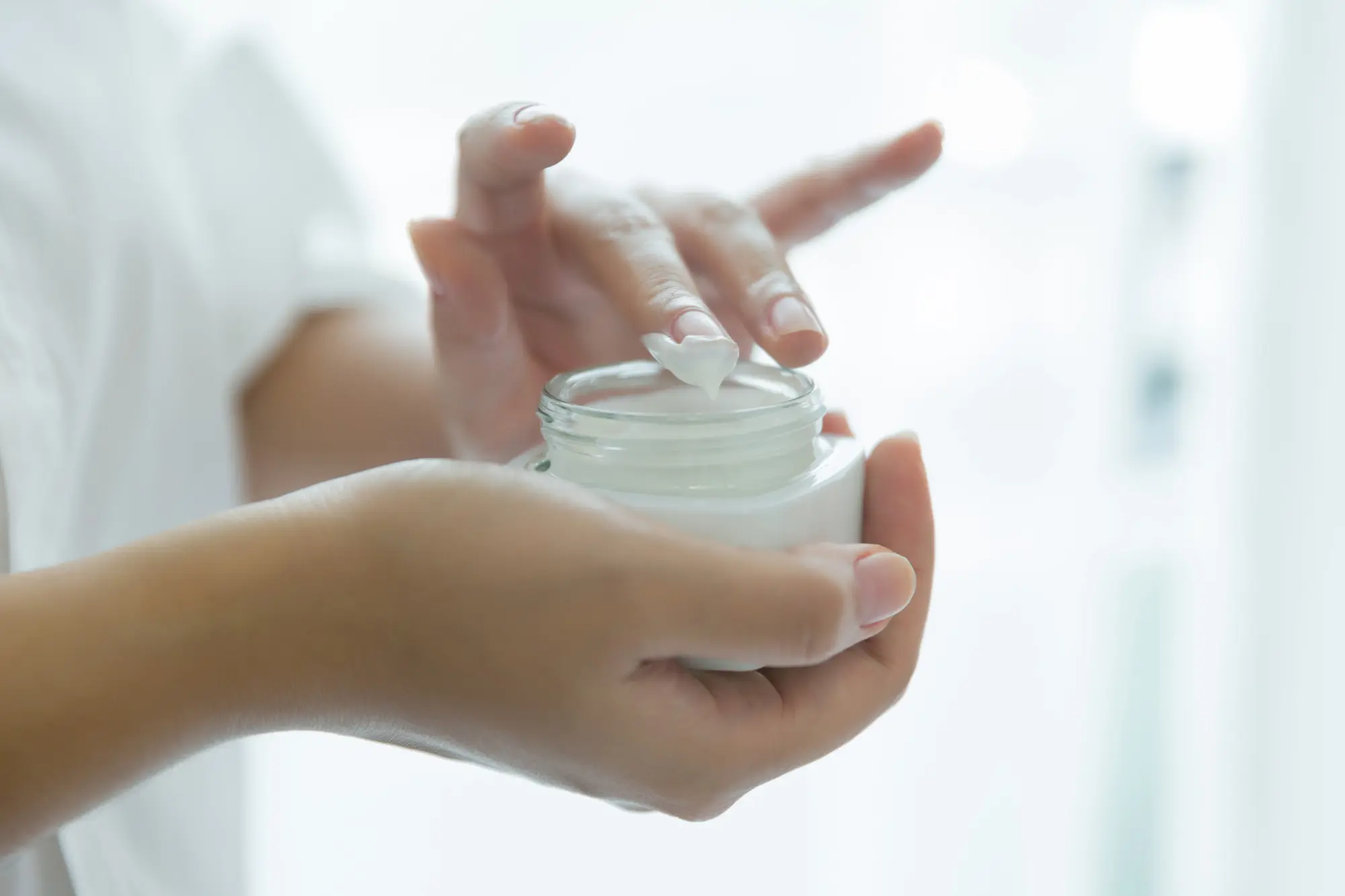
This is the step most people with oily skin are tempted to skip, and it is the step that most directly affects how much shine the skin produces throughout the day. Skipping moisturiser leaves the skin’s surface unprotected, which signals sebaceous glands to compensate by producing more oil.
The solution is not to skip moisture but to choose the right formula. Look for:
- Gel-based or gel-cream textures that absorb quickly without leaving a greasy film
- Non-comedogenic formulas that will not clog pores
- Fragrance-free products that reduce irritation risk
- Lightweight humectants like hyaluronic acid and glycerin rather than heavy occlusives
The Atelo Vital pH Gel is designed to balance and refresh while maintaining skin comfort with a lighter texture. This kind of gel formula provides the hydration oily skin still needs without the heaviness that causes people to avoid moisturiser entirely.
Step 5: Apply SPF Every Morning
Sun protection is essential regardless of skin type. For oily skin, the challenge is finding an SPF that does not add further shine or feel heavy. Look for:
- Lightweight, fluid sunscreens with a matte or satin finish
- Water-based or gel SPF formulas
- Non-comedogenic labelling
- Mineral sunscreens with zinc oxide, which can also have mild oil-absorbing properties
Apply SPF as the final morning step. Reapply if spending extended time outdoors, particularly in Singapore’s intense UV conditions.
Weekly Treatments for Oily Skin
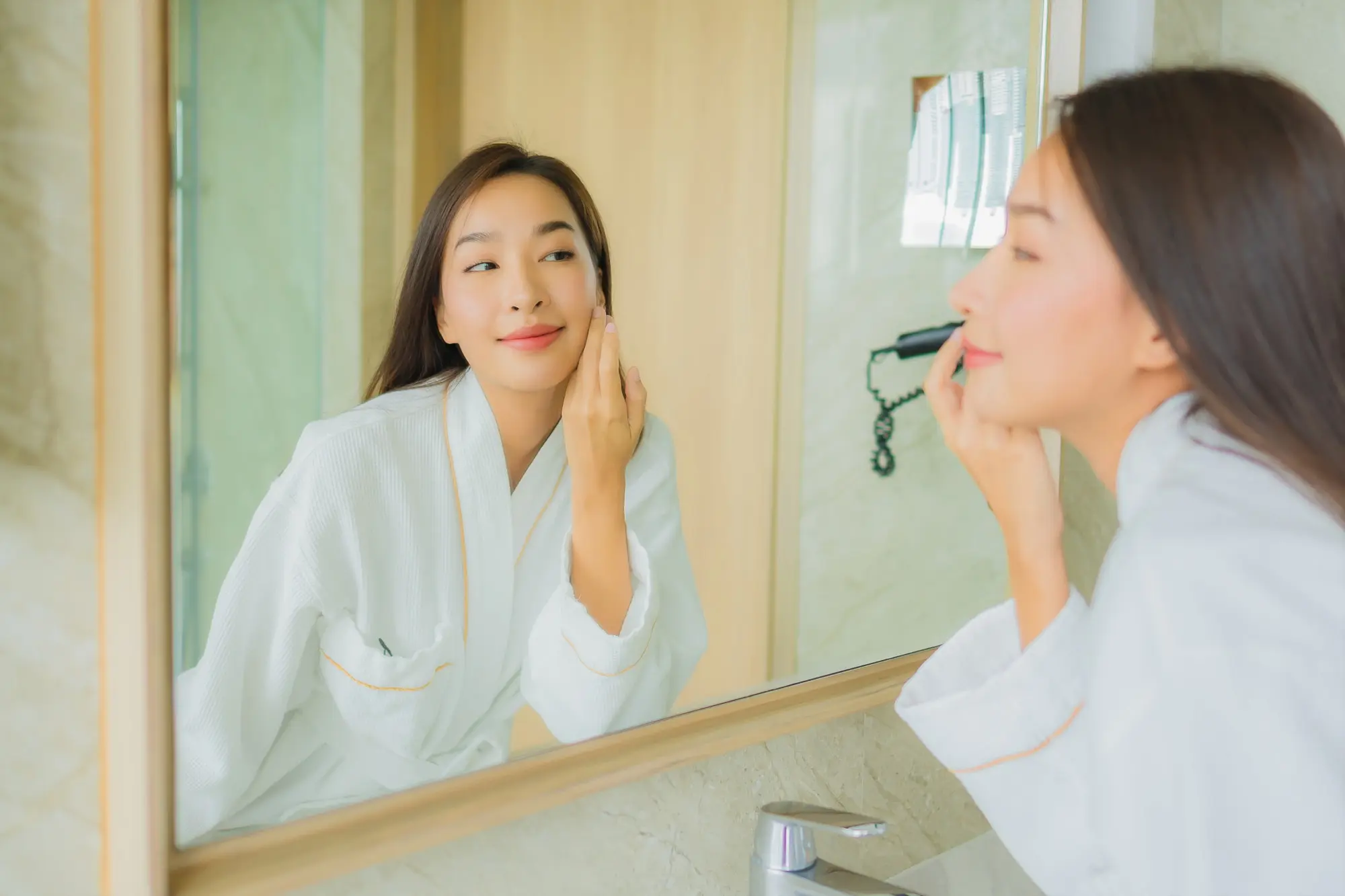
Beyond the daily routine, two types of weekly treatment can make a meaningful difference for oily skin:
Clay mask
A clay mask used once a week on the T-zone draws excess sebum from pores and can visibly reduce shine and congestion after use. Do not over-use clay masks — once a week on oily areas is sufficient, as more frequent use can paradoxically dry and then rebound-oil the skin.
Gentle exfoliation
BHA exfoliants (salicylic acid) are oil-soluble and can penetrate the pore lining to clear congestion from within. Used once or twice a week in an appropriate concentration, they help maintain clearer pores and smoother texture over time.
Managing Oily Skin in Singapore’s Climate
Singapore’s heat and humidity stimulate sebaceous gland activity, which means oily skin tends to be more pronounced outdoors. Strategies for managing this:
- Carry blotting papers to absorb excess surface oil during the day without disturbing sunscreen
- Avoid heavy, occlusive products in the morning routine
- Choose SPF formulas that specify matte or non-greasy finishes
- Prioritise thorough evening cleansing to clear the day’s sebum, sweat, and sunscreen build-up
- Use a slightly richer moisturiser at night when the skin is in a cooler, air-conditioned environment
Common Mistakes with Oily Skin
Even with the right products, a few habits undermine an oily skin routine:
Using a cleanser that is too harsh
Aggressive cleansing stimulates more sebum production. A gentle cleanser that is effective but not stripping keeps oil production more stable over time.
Skipping moisturiser on oily days
Dehydrated oily skin produces more oil to compensate. Consistent daily moisturising with a lightweight formula is more effective than skipping it when skin already feels oily.
Over-exfoliating
Too frequent use of acids or physical exfoliants damages the skin barrier and triggers inflammation, which worsens oiliness and congestion. Once or twice a week is the appropriate frequency for most skin types.
Frequently Asked Questions (FAQs)
What is the best skincare routine for oily skin?
The most effective skincare routine for oily skin includes five steps: a gentle, pH-balanced gel or foam cleanser that removes excess oil without stripping; a balancing toner with niacinamide or mild acids; a lightweight serum targeting your main concern (niacinamide for oil control, hyaluronic acid for hydration); a non-comedogenic, gel-textured moisturiser applied consistently; and a lightweight SPF as the final morning step. Twice-weekly use of a clay mask and a BHA exfoliant supports clearer pores and reduced shine over time.
What are the best oily skin tips for Singapore’s humid climate?
The most effective oily skin tips for Singapore’s climate address the outdoor heat that stimulates sebum production. Use a gel-based moisturiser rather than skipping hydration entirely, as dehydration worsens oiliness. Carry blotting papers for daytime oil management without disturbing SPF. Choose SPF with a matte or satin finish to reduce midday shine. Prioritise thorough evening cleansing after outdoor exposure and consider a gentle BHA exfoliant once or twice a week to keep pores clear. In air-conditioned environments, apply a facial mist if skin feels tight or dehydrated.
Should people with oily skin use a moisturiser?
Yes — skipping moisturiser is one of the most common and counterproductive habits for oily skin. When the skin lacks hydration, sebaceous glands produce more oil to compensate, making oiliness worse over time. The solution is choosing the right formula: a lightweight, non-comedogenic gel or gel-cream moisturiser that absorbs quickly and provides hydration without adding heaviness or clogging pores. Using a well-chosen moisturiser consistently keeps the skin’s oil production more balanced throughout the day.
Is niacinamide good for oily skin?
Yes. Niacinamide is one of the most well-supported active ingredients for oily skin management. It has clinical evidence for reducing sebum production, minimising the visible appearance of enlarged pores, improving skin texture, and supporting barrier function simultaneously. It is also well-tolerated by most skin types, can be used in both morning and evening routines, and layers comfortably with other skincare ingredients including hyaluronic acid, peptides, and SPF. For oily skin, a niacinamide serum applied after toner and before moisturiser is a practical and effective step.
What is the best moisturiser for oily skin?
The best moisturiser for oily skin is a lightweight, non-comedogenic formula with a gel or gel-cream texture that absorbs quickly without leaving a greasy residue. Key ingredients to look for include hyaluronic acid and glycerin as lightweight humectants, niacinamide for oil regulation and barrier support, and an absence of heavy occlusives like petrolatum or shea butter that can clog pores in oily skin. The formula should be fragrance-free to reduce irritation risk. Apply to slightly damp skin after serum for best absorption, and use morning and evening without exception.