
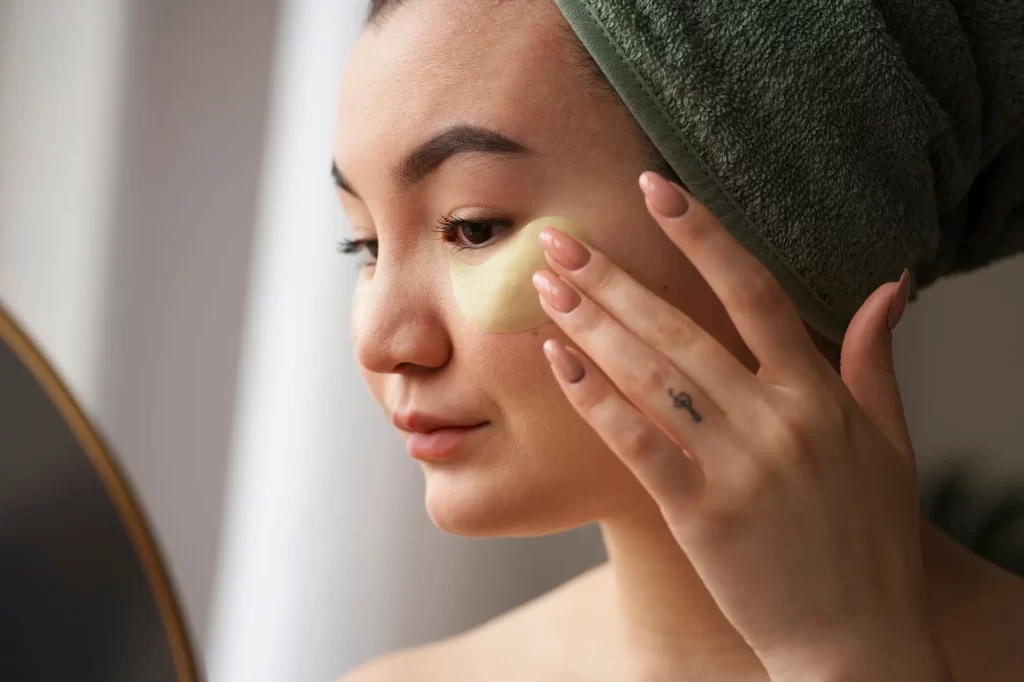
Skincare pH balance is a topic that used to be confined to dermatology clinics and chemistry labs. It has since become part of mainstream skincare conversation, and for good reason. The pH of both the skin and the products you use has a real and measurable effect on how healthy and functional your skin is day to day.
What Is pH and How Does It Work?

To find out the ideal skincare pH balance for your skin, first we need to understand the pH levels. pH stands for “potential of hydrogen” and is a measure of how acidic or alkaline a substance is. The scale runs from 0 to 14. A pH of 7 is neutral. Anything below 7 is acidic, and anything above 7 is alkaline.
Water sits at a neutral pH of 7. Lemon juice sits at around 2 (strongly acidic). Baking soda sits at around 9 (mildly alkaline).
For skincare purposes, the important number is the skin’s own natural pH, which sits in a slightly acidic range of approximately 4.5 to 5.5.
Why Is Skin Naturally Acidic?

The skin’s slightly acidic surface is sometimes referred to as the acid mantle. This acidic environment is not incidental; it is a carefully maintained condition that serves several critical functions.
- It supports the activity of enzymes that help produce and maintain ceramides, the lipids that make up the skin barrier
- It creates a hostile environment for harmful bacteria that prefer a more neutral or alkaline pH
- It helps regulate the skin’s microbiome, the community of microorganisms that contribute to skin health
- It keeps the skin’s natural desquamation process (cell shedding) functioning at the right rate
When the skin’s pH balance is disrupted and pushed too far in either direction, these functions are compromised, and skin problems tend to follow.
What Happens When Skin pH Is Too High (Too Alkaline)?
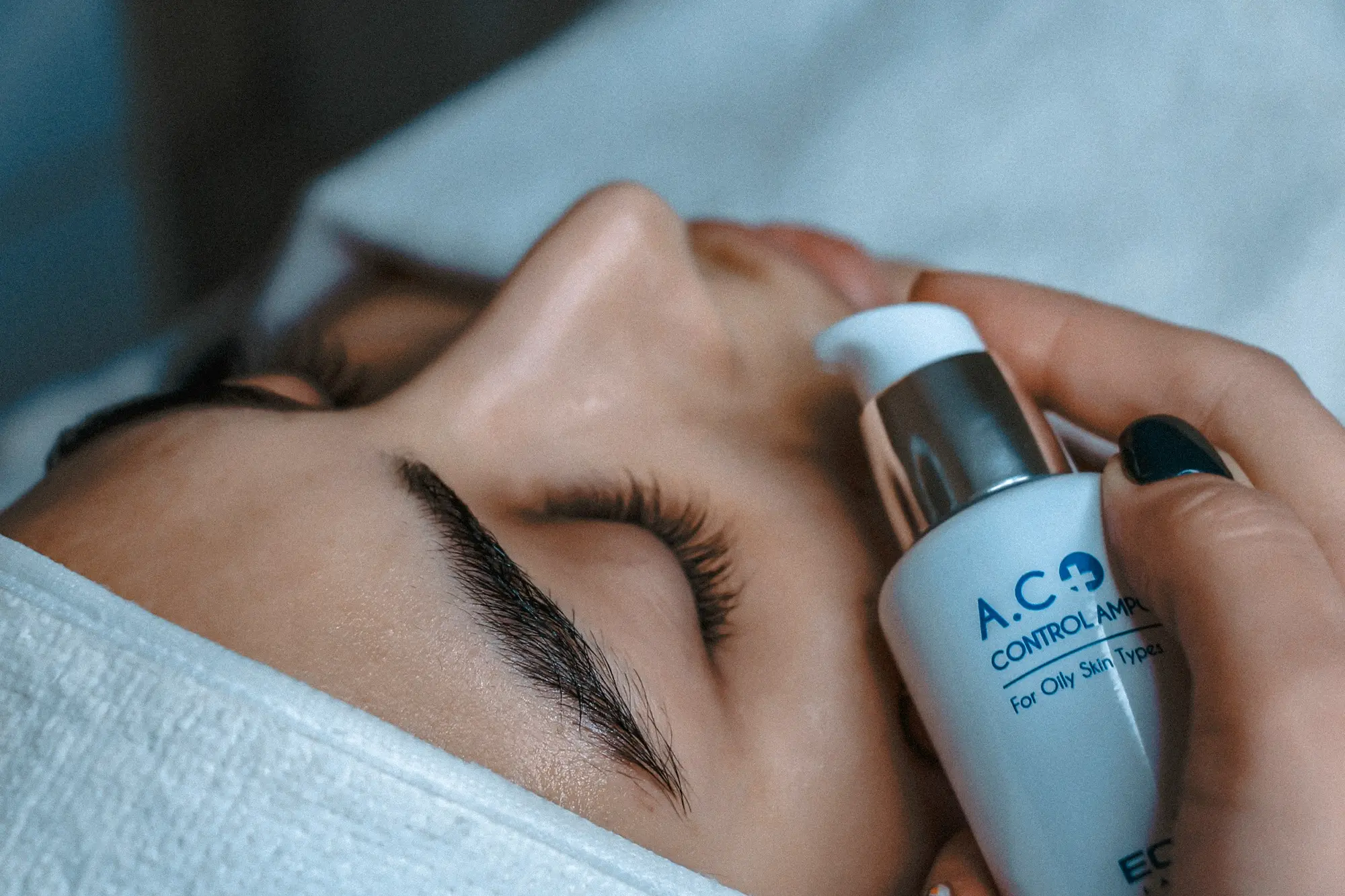
The most common cause of elevated skin pH is the use of alkaline skincare products, particularly soap-based cleansers. Soaps typically have a pH of 9 to 10, significantly higher than the skin’s natural range.
When skin pH is pushed too high:
- Enzyme activity is disrupted, leading to reduced ceramide production and a weaker skin barrier
- Moisture loss increases as the barrier becomes less effective
- Bacteria that cause breakouts thrive more easily in a higher pH environment
- The skin can become more reactive and sensitive
The tight, uncomfortable feeling after using a soap bar on the face is often partly a pH effect. The skin feels tight because its barrier function has been temporarily disrupted. If your skin regularly feels this way, read our guide on how to fix a damaged skin barrier.
What Happens When Skin pH Is Too Low (Too Acidic)?
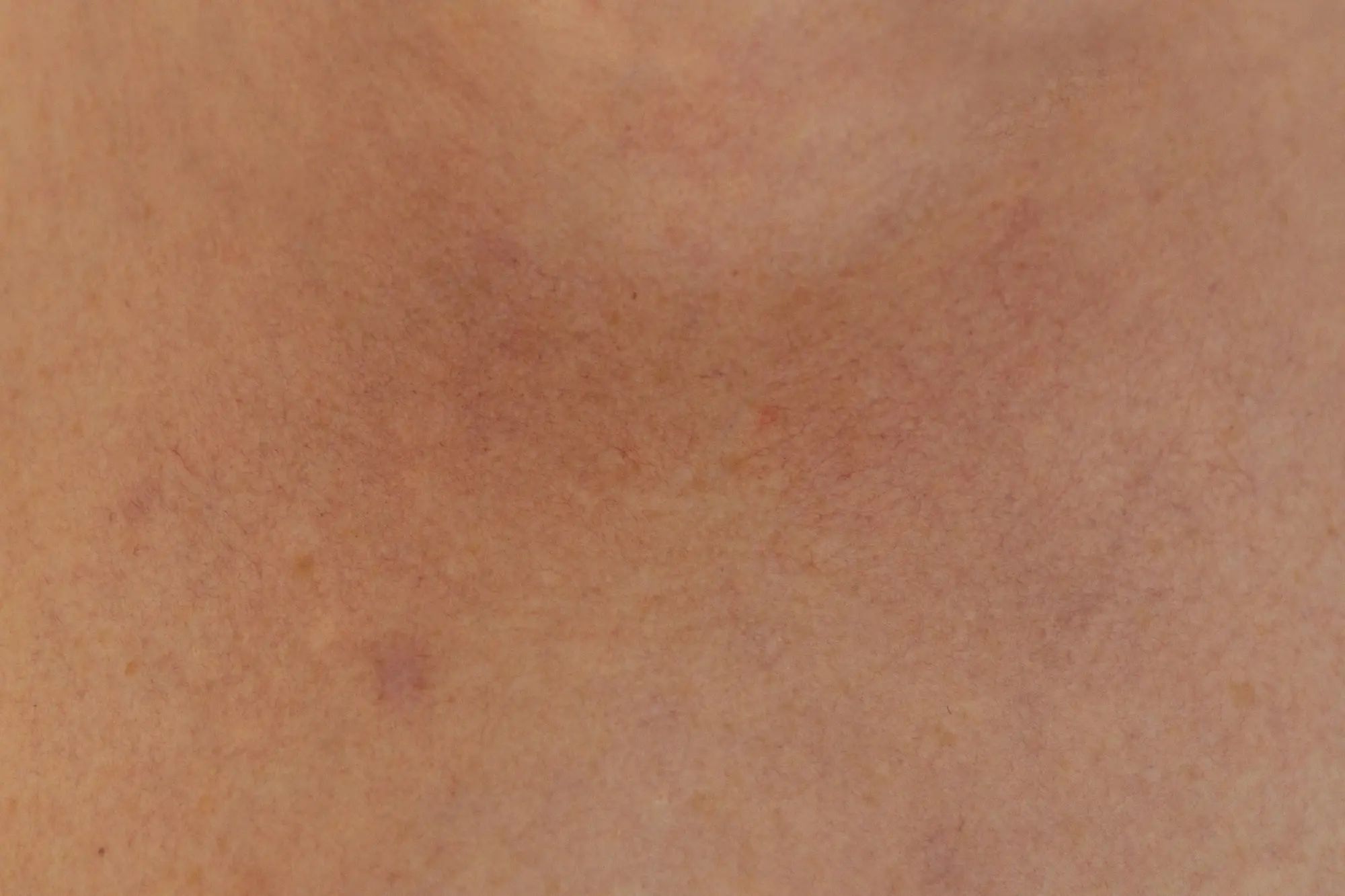
The opposite problem is less common but can occur with overuse of strongly acidic products like high-concentration acids. When the skin pH is pushed too low:
- Irritation and inflammation are more likely
- Exfoliation happens faster than the skin can comfortably manage
- Sensitive skin may react with redness, stinging, or burning
This is why acids used in skincare are formulated at concentrations and pH levels calibrated to be effective without being destructive. Strong acid concentrations at very low pH are used in professional settings, not home skincare.
Skincare pH Balance: How Skincare Product pH Affects Efficacy

This is an aspect of skincare pH balance that affects more than just skin health. The pH of a product also directly determines whether certain active ingredients work at all.
Vitamin C (ascorbic acid) is most stable and effective at a pH of around 2.5 to 3.5. At a higher pH, it oxidises and loses its efficacy. Buying a vitamin C product in a well-formulated delivery format at an appropriate pH matters enormously.
AHAs such as glycolic and lactic acid need to be at a pH below about 4 to work as exfoliants. At higher pH, they are largely ineffective despite being present in the formula.
Retinol is more stable in a neutral to slightly acidic pH but is affected by strong acids applied at the same time, which is one reason layering a retinol with a strong AHA is not advisable.
How to Support Healthy Skincare pH Balance
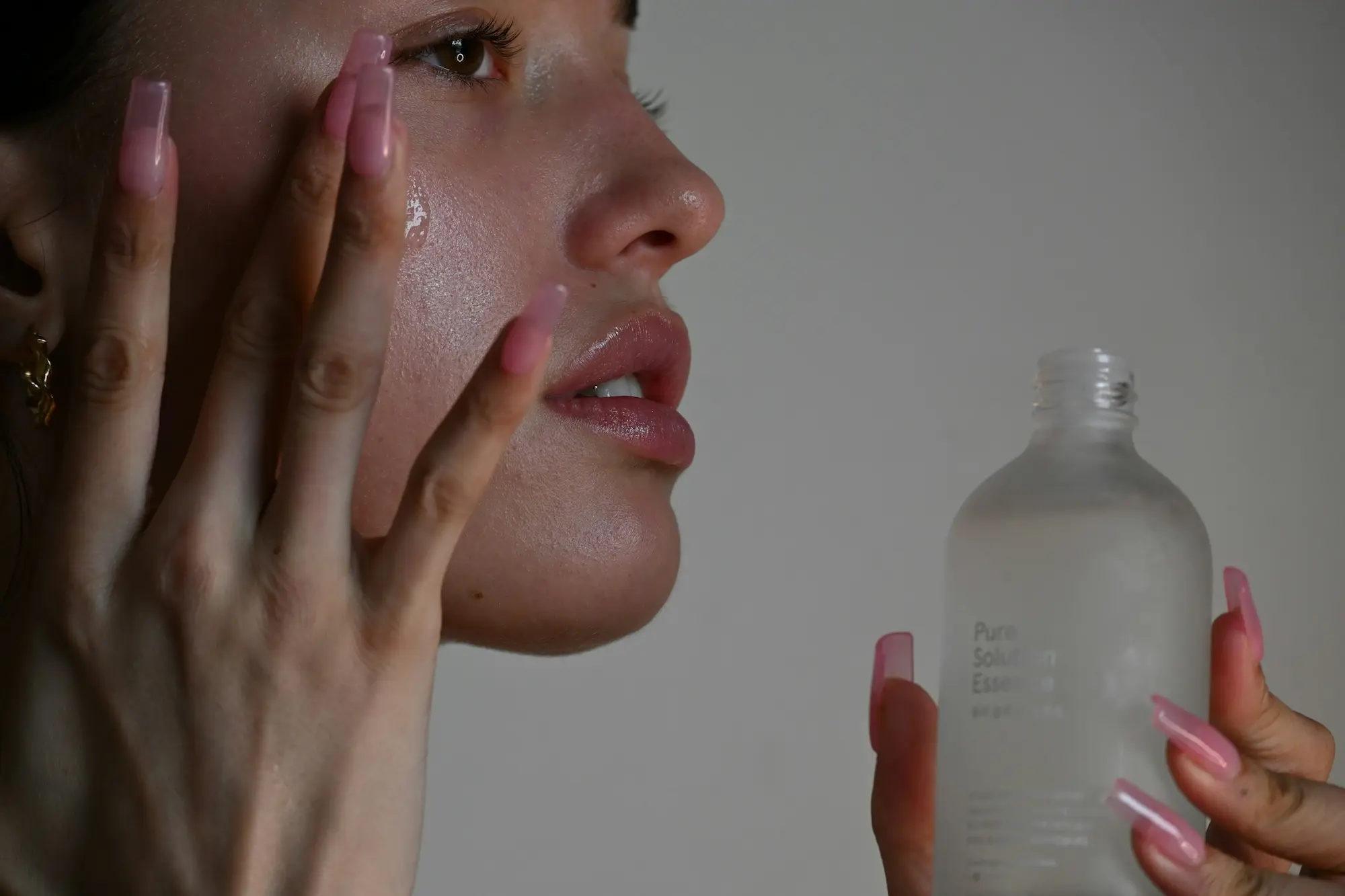
Use a pH-balanced cleanser
The cleanser has the greatest direct effect on skin pH because it is applied across the whole face and rinsed off. A pH-balanced cleanser formulated close to the skin’s natural range is the single most impactful pH choice in most people’s routines. Look for terms like “soap-free,” “pH-balanced,” or “gentle” and check whether the brand publishes the product’s pH.
Apply a hydrating toner after cleansing
A well-formulated toner helps the skin return to its natural pH range quickly after cleansing. This supports the enzyme activity and barrier function that depend on the right pH environment. The Atelo Skin Nutrition Toner prepares and conditions the skin after cleansing while supporting hydration and the absorption of subsequent steps.
Choose products that support pH balance
The Atelo Vital pH Gel is designed to balance and refresh while maintaining skin comfort. For people whose skin tends to fluctuate in reactivity or feels uncomfortable after cleansing, a pH-supportive product like this in the routine helps maintain a stable skin environment.
Do not over-exfoliate
Using multiple acidic products or strong exfoliants too frequently keeps the skin surface too acidic for extended periods. This disrupts the enzyme balance and can cause a different set of problems from alkaline disruption. For guidance on how often to use a pH balancing gel and what to avoid pairing, see our dedicated guide.
Testing Your Skincare Products’ pH
pH test strips are inexpensive and available from pharmacy and science supply retailers. They provide a rough guide to a product’s pH, though they are not highly precise. Many skincare brands now publish the pH of their products, particularly for actives like acids and vitamin C, which is worth checking before purchasing.
Skincare pH Balance: What to Remember
The skin maintains a slightly acidic surface for good reasons, and protecting that pH balance supports barrier function, hydration, and resilience. The most practical takeaways are:
- Use a pH-balanced cleanser to avoid disrupting the acid mantle
- Add a hydrating toner to help restore pH balance quickly after cleansing
- Check the pH of your active ingredients, particularly acids and vitamin C
- Avoid overloading the routine with too many acidic products at once
Understanding skincare pH balance is not about becoming a chemistry expert. It is about making slightly better-informed product choices that support the skin’s natural environment rather than working against it.
Frequently Asked Questions (FAQs)
What is pH balance in skincare and why does it matter?
Skincare pH balance refers to how acidic or alkaline the skin’s surface and your skincare products are, measured on a scale of 0 to 14. The skin naturally maintains a slightly acidic pH of approximately 4.5 to 5.5, which is an environment that supports ceramide production, regulates the skin’s microbiome, creates a hostile surface for harmful bacteria, and keeps the barrier functioning properly. When this balance is disrupted by alkaline cleansers, over-exfoliation, or incompatible products, barrier function weakens, moisture loss increases, and the skin becomes more reactive and vulnerable to breakouts. Maintaining the right pH environment is one of the most foundational (and most overlooked) factors in effective skincare.
What is the ideal skin pH level for healthy skin?
The ideal skin pH balance level for healthy, well-functioning skin is approximately 4.5 to 5.5; a slightly acidic range often referred to as the acid mantle. This acidity is not arbitrary; it is the precise environment in which the skin’s enzymes operate most effectively to produce ceramides, regulate cell shedding, and maintain the barrier’s structural integrity. A pH above this range, most commonly caused by soap-based cleansers with a pH of 9 to 10, compromises these functions and weakens the barrier. A pH pushed too far below this range from overuse of strong acids causes a different set of problems (irritation, inflammation, and accelerated exfoliation) the skin cannot comfortably manage.
What is the acid mantle and what happens when it is damaged?
The acid mantle is the slightly acidic film on the skin’s surface, maintained at a pH of approximately 4.5 to 5.5, that acts as the skin’s first line of environmental defence. It supports the enzyme activity needed to produce the ceramides that form the skin barrier, regulates the microbiome of beneficial bacteria on the skin surface, and controls the rate at which dead skin cells shed naturally. When the acid mantle is damaged (most commonly by alkaline soap-based cleansers, over-exfoliation, or harsh active ingredients) ceramide production declines, the barrier weakens, moisture loss accelerates, and harmful bacteria find it easier to colonise the skin surface. Recovery requires switching to a pH-balanced cleanser, reducing the use of stripping products, and supporting the skin with barrier-repairing ingredients like ceramides and panthenol.
What should you look for in a pH balanced cleanser for healthy skin?
A good pH balanced cleanser should be formulated close to the skin’s natural pH range of 4.5 to 5.5 and will typically be described as soap-free, sulphate-free, or gentle on the packaging. Soap-based cleansers and aggressively foaming formulas commonly reach a pH of 9 to 10 (significantly higher than the skin’s natural range) and temporarily disrupt the acid mantle with every use, weakening the barrier over time. The tell-tale sign your cleanser is too alkaline is the tight, uncomfortable sensation immediately after rinsing. Look for brands that publish the pH of their cleansers, choose cream or gel formats over soap bars, and verify the formula does not list sodium lauryl sulphate or soap salts among the first ingredients, as these are reliable indicators of an alkaline formula.
What pH should skincare products be for them to work effectively?
Understanding what pH skincare products should be is essential for ensuring active ingredients actually deliver results. Vitamin C (ascorbic acid) is most stable and effective at a pH of approximately 2.5 to 3.5; at a higher pH it oxidises rapidly and loses potency. AHAs such as glycolic and lactic acid need to be formulated below a pH of around 4 to function as effective exfoliants; at higher pH they are present in the formula but largely inactive. Retinol performs best in a neutral to slightly acidic pH and is destabilised by strong acids applied simultaneously; a key reason layering retinol with a high-concentration AHA is counterproductive. For everyday products like toners and moisturisers, a pH close to the skin’s natural range of 4.5 to 5.5 ensures they support rather than disrupt the acid mantle with each use.