
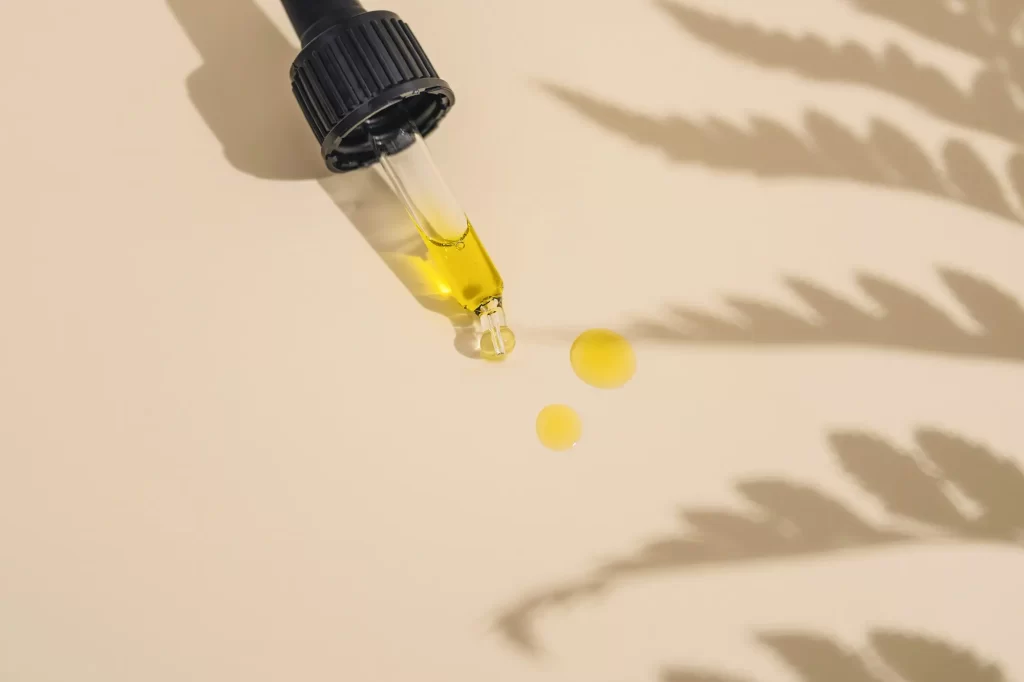
Fragrance free skincare has moved from a niche preference to a mainstream consideration, and for good reason. Fragrance is one of the most common causes of skin reactions in cosmetic products, and its presence in skincare is often more widespread than most consumers realise. This guide explains what fragrance does to skin, why fragrance-free formulations matter, and how to identify them when shopping.
What Is Fragrance in Skincare?

In skincare, fragrance (also listed as parfum on ingredient labels) refers to any compound or blend of compounds added to a product primarily for its smell rather than its skin function. Fragrance can be synthetic or derived from natural sources, including essential oils.
A single “fragrance” listing on an ingredient label can represent a blend of dozens or even hundreds of individual chemical compounds. In many countries, the specific components of a fragrance blend can be kept proprietary, which means they do not have to be individually listed. This makes it difficult for consumers to identify exactly what they are being exposed to.
Why Is Fragrance a Skincare Concern?

Fragrance is the number one cause of allergic contact dermatitis from cosmetic products, according to dermatological research. Beyond allergy, fragrance can cause a range of skin reactions including:
- Irritant contact dermatitis, which does not require prior sensitisation and can affect anyone
- Allergic contact dermatitis, which develops after repeated exposure and becomes more severe over time
- Photocontact reactions, where certain fragrance compounds become reactive when exposed to UV light
- Barrier disruption, as some fragrance compounds interfere with the skin’s lipid structure
Importantly, a product does not need to smell strongly to contain fragrance. Some products use fragrance masking agents, which reduce or neutralise an unpleasant chemical smell without providing any skin benefit. These are still technically fragrance and still carry sensitisation potential.
Natural Fragrance vs Synthetic Fragrance
A common misconception is that natural fragrance is safer than synthetic. This is not reliably true. Many natural fragrance compounds, including those from citrus, lavender, and other plant sources, are among the most common contact allergens identified in dermatological studies.
Essential oils like bergamot, lavender, geranium, peppermint, and citrus extracts contain compounds such as limonene, linalool, and geraniol that are known sensitisers. Products described as “natural” or “botanical” can cause the same range of reactions as synthetic fragrance products.
Fragrance-free means the product contains no added fragrance compounds of any kind, natural or synthetic. Unscented is different and means the product’s natural smell has been masked but fragrance compounds may still be present.
Who Benefits from Fragrance-Free Skincare?
While fragrance-free skincare is particularly important for certain groups, it can benefit almost anyone:
Sensitive skin types
Skin that is inherently reactive benefits significantly from removing fragrance, which is one of the most common external triggers for flare-ups.
Compromised skin barrier
When the skin barrier is damaged, its ability to protect against sensitising compounds is reduced. Fragrance can penetrate more easily and cause a reaction that would not occur on healthy, intact skin. For more on what the skin barrier is and how it functions, see our dedicated guide.
Eczema and rosacea
These conditions already involve heightened skin reactivity. Fragrance is a common trigger for both eczema flares and rosacea flushing.
People introducing new actives
When you are adding exfoliants, retinoids, or other active ingredients to your routine, removing fragrance from the rest of your products reduces the total irritation load on the skin, making it easier to tolerate the new active.
General preventive care
Even people without obvious sensitivity may be accumulating low-level sensitisation over time from regular fragrance exposure. Choosing fragrance-free products as a default is a sensible preventive step.
How to Identify Fragrance on Ingredient Labels
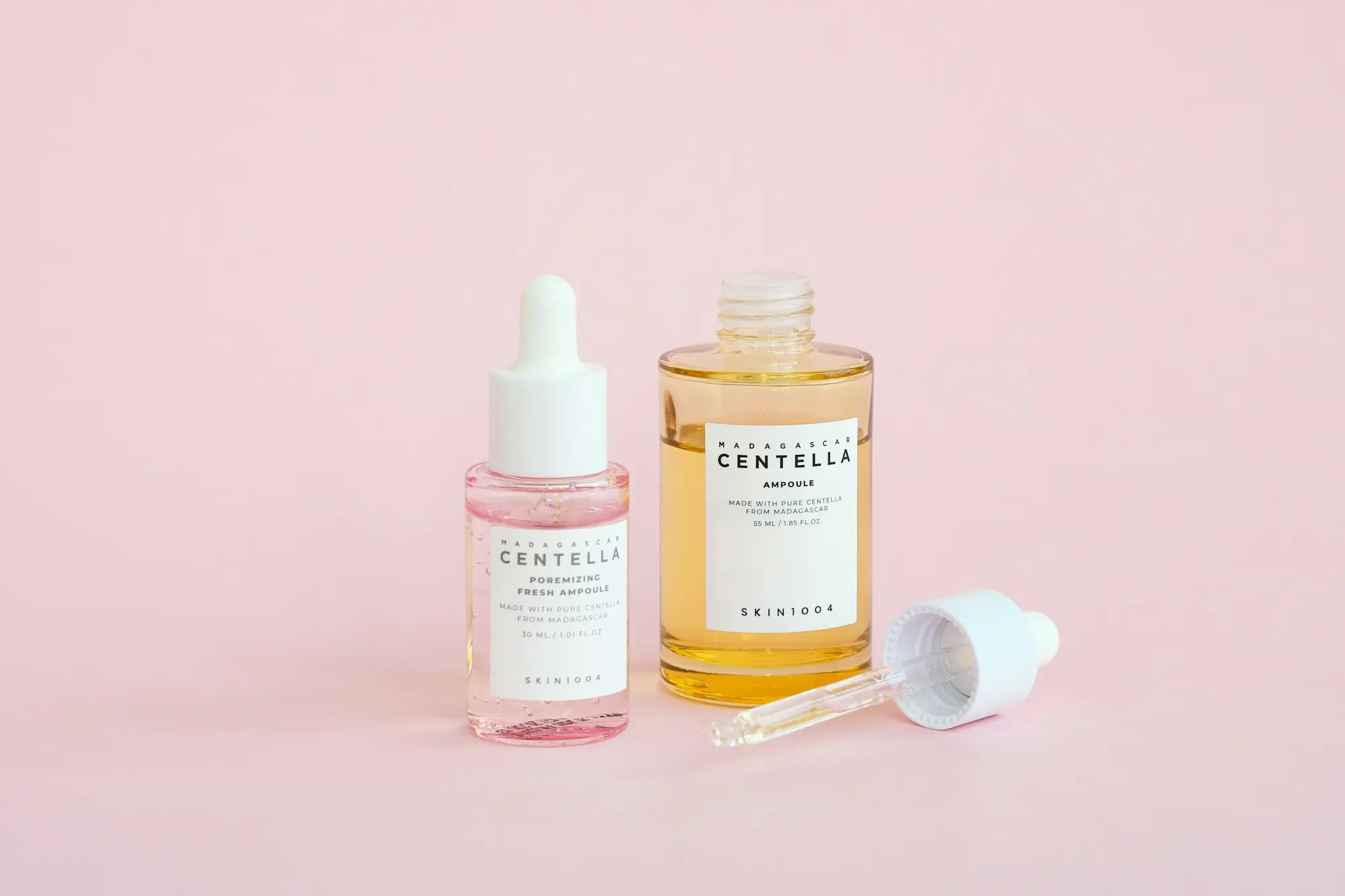
Common terms to look for on skincare ingredient labels:
- Parfum or Fragrance (catch-all terms that can mask many individual compounds)
- Essential oil names such as lavandula angustifolia (lavender), citrus aurantium (bitter orange), melaleuca alternifolia (tea tree)
- Linalool, limonene, geraniol, citronellol (common fragrance allergens that must be declared in the EU above certain concentrations)
- Eugenol, isoeugenol, benzyl alcohol (further declared allergens in many regulatory systems)
Many fragrance components can appear further down the ingredient list, making it easy to miss them on a quick scan. Reading the full list is the only reliable way to check.
Atelo’s Fragrance-Free Approach
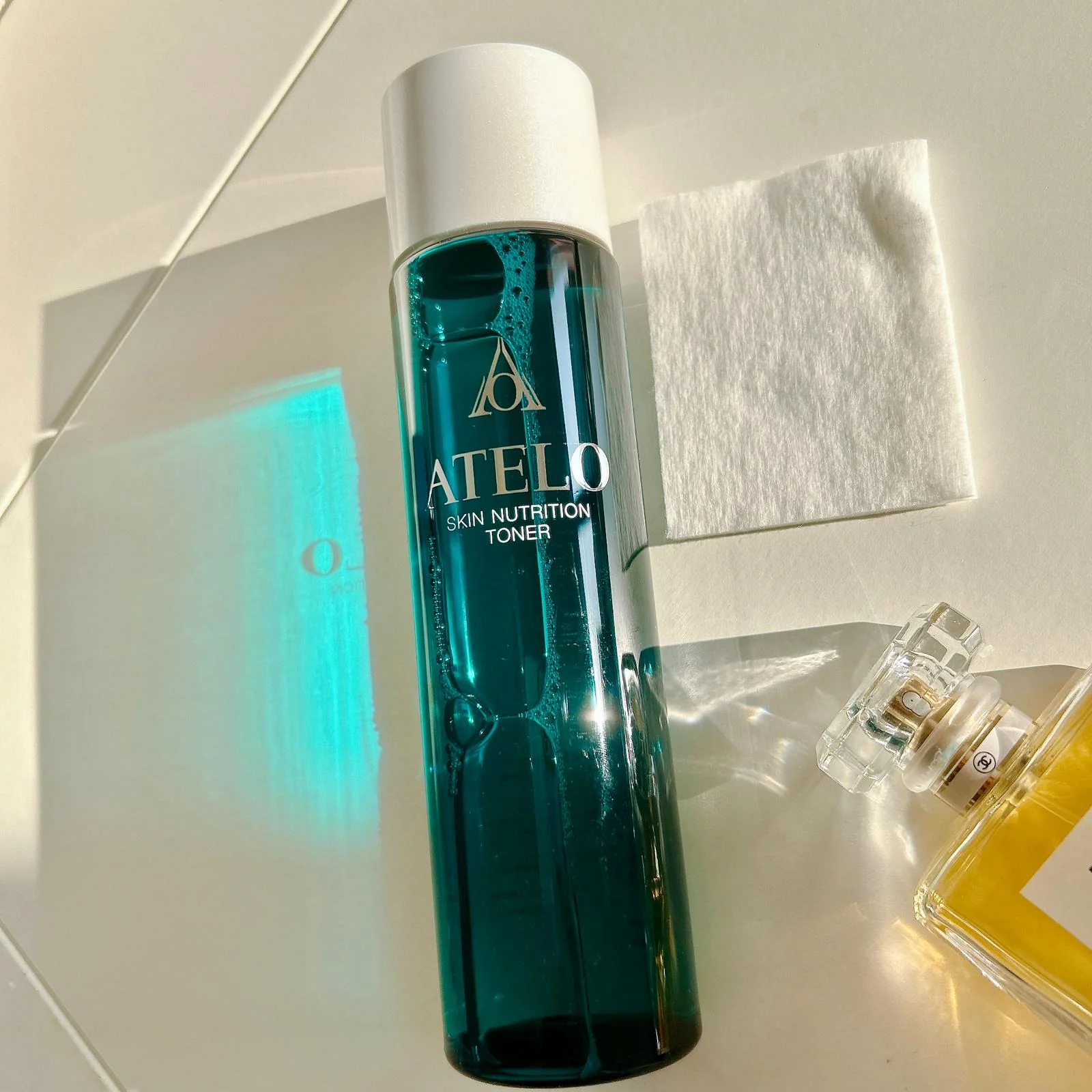
Atelo Singapore formulates all products without added fragrance. This is a deliberate choice that reflects the brand’s commitment to skin compatibility, particularly for those with sensitive or reactive skin. Fragrance-free formulation is listed as a core brand principle alongside being dermatologist-tested and cruelty-free.
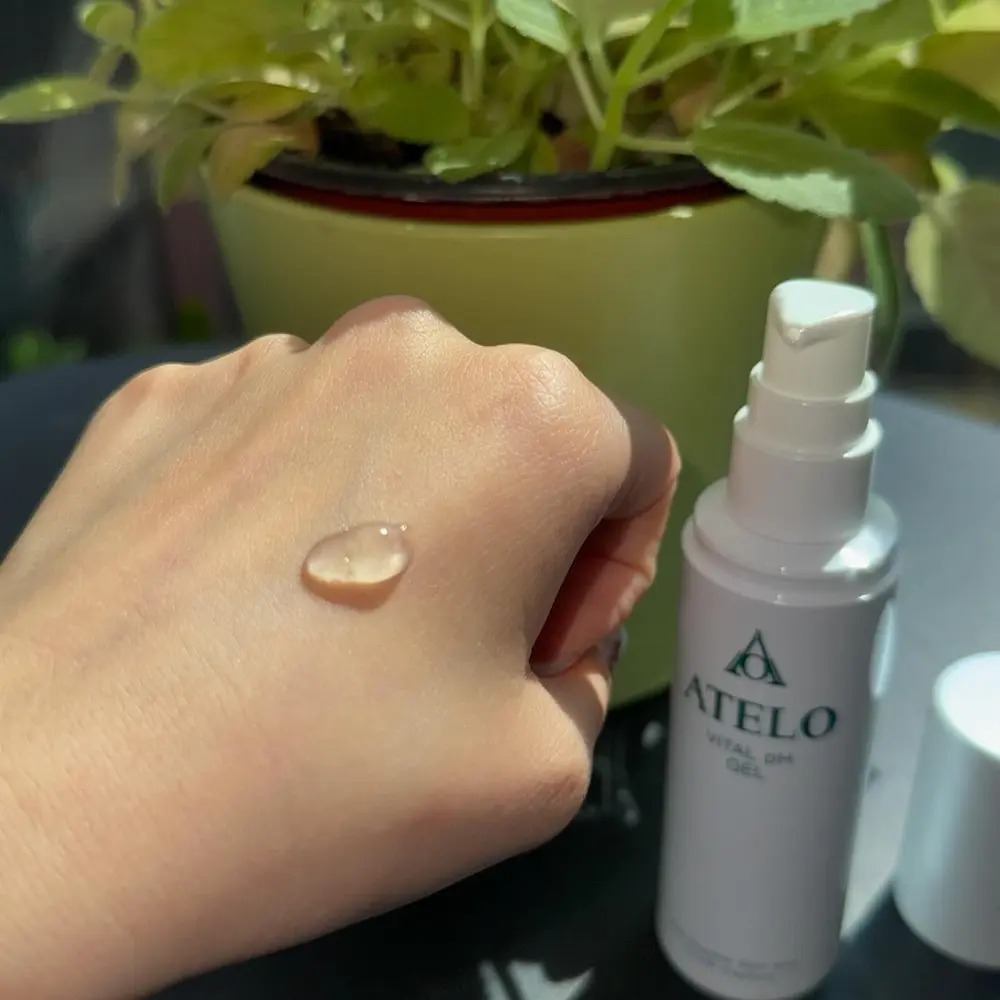
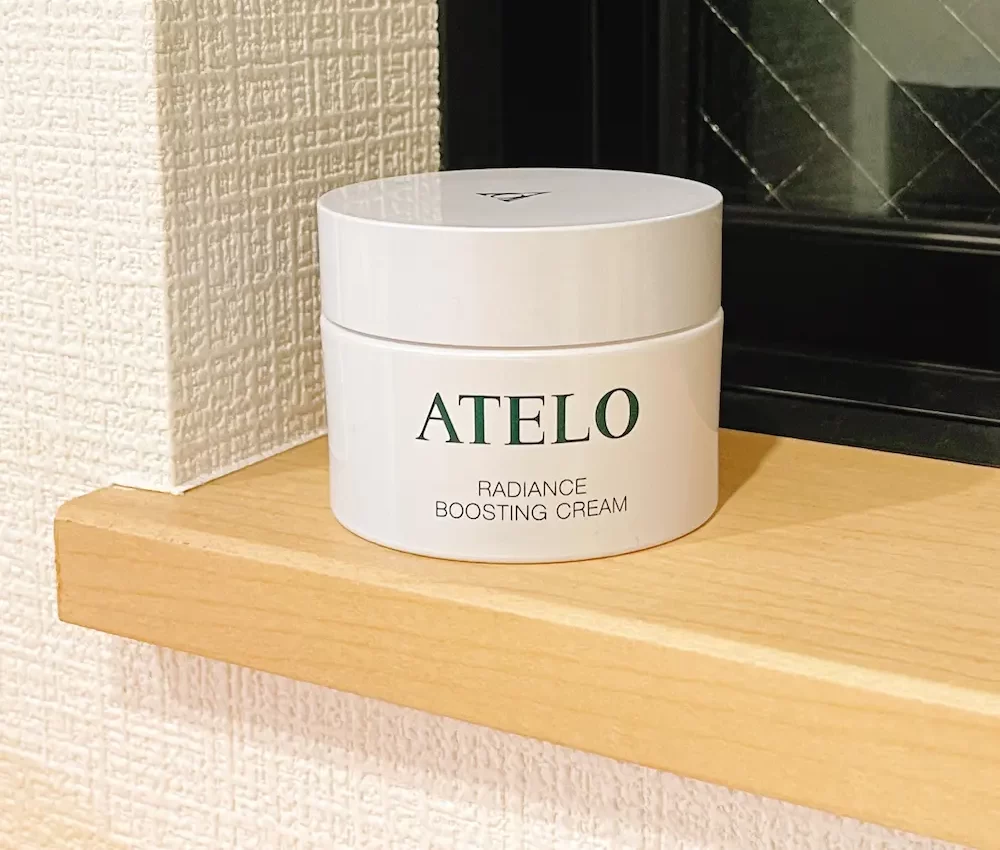
The Skin Nutrition Toner, Vital pH Gel, Radiance Boosting Cream, and Amine Mask are all fragrance-free, making the full Atelo routine suitable for those who want to minimise sensitisation risk.
Transitioning to Fragrance-Free Skincare
If you are considering switching to a fragrance-free routine, the practical steps are:
- Audit your current routine for fragrance by reading full ingredient lists
- Prioritise replacing leave-on products first (moisturisers, serums, SPF), as these have more contact time with the skin than rinse-off products
- Introduce fragrance-free alternatives one at a time so you can identify which switches make a difference
- Allow four to eight weeks of consistent use to assess how your skin responds to each change
If your skin has been feeling reactive or uncomfortable, a fragrance-free switch often works best alongside other barrier-supporting steps. Our guide on how to build a skincare routine for dry skin includes a useful starting framework for sensitive and reactive skin types.
Fragrance-Free Does Not Mean Unpleasant
A reasonable concern is that fragrance-free products will be boring or unpleasant to use. In practice, well-formulated fragrance-free skincare has very little smell or a faint, neutral one from the functional ingredients. The absence of fragrance does not affect how the product performs on the skin; it simply removes a component that adds sensory appeal at the potential cost of skin tolerability.
For people who have been experiencing unexplained skin sensitivity, reactive patches, or reactions that seem to come and go without a clear reason, switching to fully fragrance-free skincare often makes a significant and surprisingly quick difference.
Fragrance-Free Skincare: The Takeaway
Fragrance-free skincare is not a trend. It is a response to well-documented evidence that fragrance compounds are a leading cause of contact sensitisation in cosmetics. For sensitive skin, compromised barriers, and general preventive care, choosing products without added fragrance reduces the total irritation load and supports a more stable, comfortable skin baseline over time.
Frequently Asked Questions (FAQs)
What does fragrance-free mean in skincare?
Fragrance-free means a product contains no added fragrance compounds of any kind, whether synthetic or derived from natural sources such as essential oils. It is different from “unscented,” which means a product’s natural chemical smell has been masked, often with fragrance compounds that still carry sensitisation potential. A genuinely fragrance-free product will not list parfum, fragrance, or individual fragrance allergens such as linalool, limonene, or geraniol anywhere in its ingredient list.
Why is fragrance bad for skin?
Fragrance is the leading cause of allergic contact dermatitis from cosmetic products. Beyond allergy, fragrance compounds can cause irritant reactions without any prior sensitisation, disrupt the skin’s lipid barrier structure, and trigger photocontact reactions when exposed to UV light. Repeated low-level exposure can also build sensitisation over time, meaning a product that seemed well-tolerated for months can eventually begin causing reactions. Removing fragrance from a routine reduces the total irritation load and lowers the cumulative risk of sensitisation.
Is natural fragrance safer than synthetic fragrance for sensitive skin?
No. Natural fragrance is not reliably safer than synthetic. Many of the most common contact allergens identified in dermatological research come from natural sources, including lavender, citrus, bergamot, and geranium. The specific compounds responsible (linalool, limonene, geraniol, and others) are present in both plant-derived and synthetic fragrances. Products labelled “natural” or “botanical” can cause the same range of skin reactions as conventionally fragranced products, and should be approached with the same caution by anyone with sensitive or reactive skin.
Who should use fragrance-free skincare products?
Fragrance-free skincare is most important for people with sensitive skin, a compromised skin barrier, eczema, or rosacea, as fragrance is a common external trigger for flare-ups in all of these conditions. It is also advisable for anyone introducing active ingredients like retinoids or exfoliating acids into their routine, since removing fragrance from surrounding products reduces the overall irritation the skin has to manage. More broadly, choosing fragrance-free products as a default is a sensible preventive measure even for those without obvious sensitivity, as regular fragrance exposure can accumulate into sensitisation over time.
How do you identify fragrance on skincare ingredient labels?
The most common terms to look for are parfum and fragrance, which are catch-all listings that can represent a blend of dozens of individual compounds. Beyond these, check for essential oil names such as lavandula angustifolia (lavender) and citrus aurantium (bitter orange), as well as declared fragrance allergens including linalool, limonene, geraniol, citronellol, and eugenol. These can appear anywhere in the ingredient list, including near the bottom, so reading the full list rather than scanning the first few lines is the only reliable way to confirm a product is genuinely fragrance-free.