

The confusion around dehydrated skin vs dry skin is one of the most common reasons a skincare routine quietly stops working. People treat dry vs dehydrated skin as the same problem, reach for the wrong products and wonder why nothing changes. In Singapore’s humidity, the mix-up is even easier to make, because skin here often feels oily and parched at the same time.
Here is how to tell whether your skin is dry or dehydrated at home, in under a minute. Dry skin is a skin type that lacks oil, and it tends to be long-term. Dehydrated skin is a temporary condition that lacks water, and any skin type can have it, including oily skin. The fastest home check is the pinch test: if the skin is slow to bounce back, it is likely dehydrated rather than dry.
What Is The Difference between Dry Vs Dehydrated Skin?
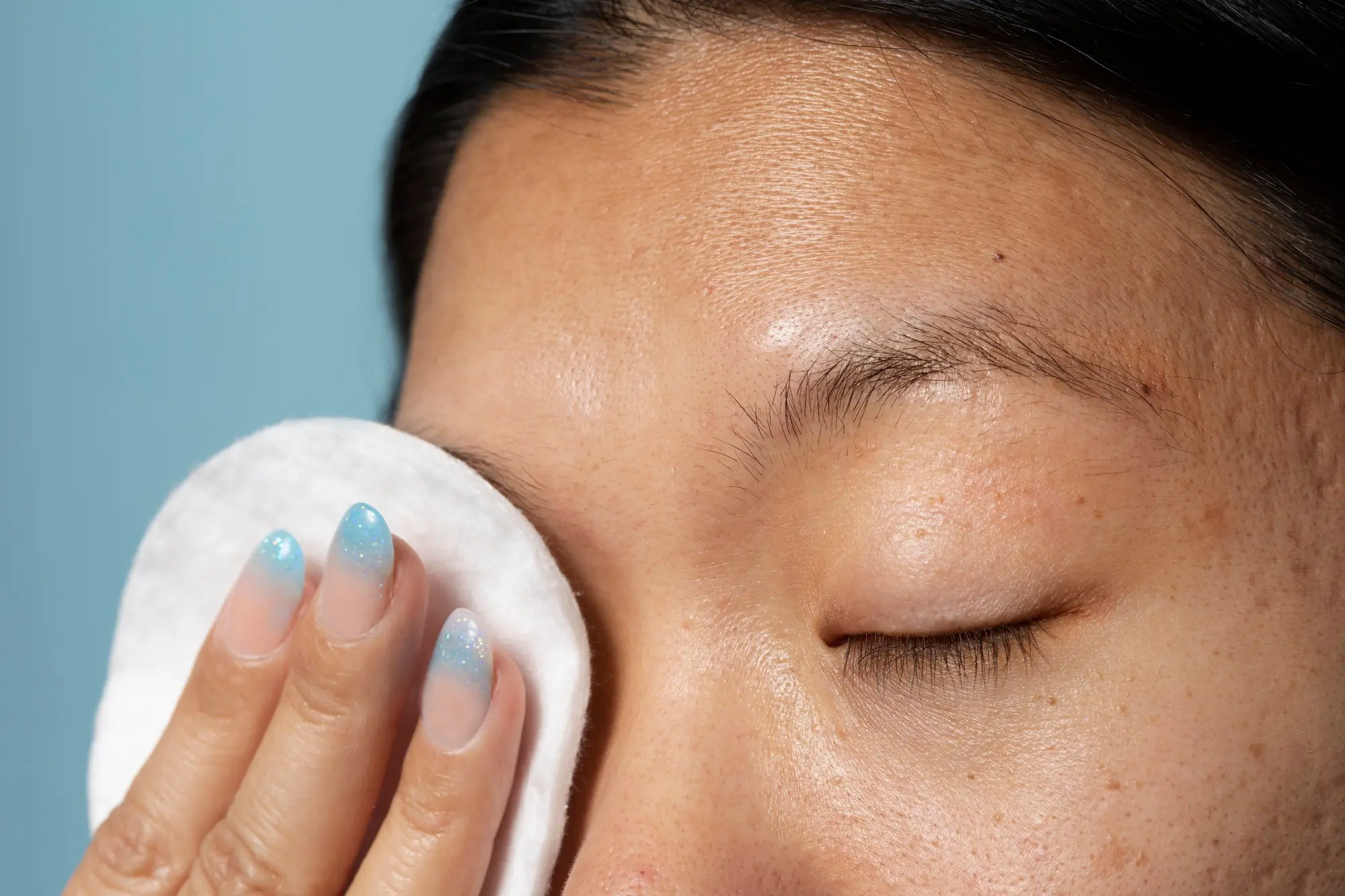
The difference comes down to what your skin is missing. Dry skin is a skin type, in the same way oily or combination skin is a type. It does not make enough sebum, the natural oil that keeps skin soft and protected, so it stays matte and often feels rough or flaky. It is largely genetic and stays with you long-term, though the right care keeps it comfortable. The American Academy of Dermatology describes dry skin the same way, as skin that struggles to hold moisture and does best with richer creams.
Dehydrated skin is a different thing. It is a temporary condition, not a type, and it means the skin is short of water in its upper layers. It can affect anyone, including oily and combination skin. When that barrier is worn down by over-cleansing, hot showers or harsh products, it loses water more easily and starts to look dull and feel tight. Because it is a condition rather than a type, dehydrated skin can usually be corrected within a few weeks.
Dry Skin Vs Dehydrated Skin Difference: A Side-by-Side Comparison
The dry skin vs dehydrated skin difference is easiest to see laid out side by side. Use this quick comparison to place your own skin, then match it to the right fix further down.
| Dry skin (a skin type) | Dehydrated skin (a condition) | |
|---|---|---|
| Cause | Too little oil (sebum), largely genetic | Too little water, often from climate, over-cleansing or a worn barrier |
| Signs | Flaky, rough, tight, matte all day | Dull, tight, shiny yet tight, fine lines |
| What it needs | Oils and emollients to seal | Water-based hydration to replenish |
That is the heart of dehydrated skin vs dry skin: one is short of oil, the other is short of water, and the fixes are not interchangeable.
How To Tell if Skin Is Dry or Dehydrated: The Signs

Knowing how to tell if skin is dry or dehydrated comes down to how it behaves, not just how it feels in one moment. Here are the signs of dehydrated skin to look for: a dull, flat appearance, tightness that eases the moment you apply a water-based product, fine lines across areas that are normally smooth, and skin that feels tight yet turns shiny by the middle of the day.
Dry skin behaves differently. It stays rough and flaky even after moisturising, feels tight after cleansing, and rarely turns oily throughout the day. If you have been asking, “Is my skin dry or dehydrated?” that midday clue is the quickest tell: shiny yet tight points to dehydration, while consistently matte and flaky points to a dry skin type.
Most dehydrated skin symptoms are about how the surface looks and feels rather than anything medical, and the signs of dehydrated skin can overlap with dryness. That overlap is exactly why the self-test below is worth a minute of your time.
How To Tell if You Have Dehydrated Skin: The Skin Pinch Test
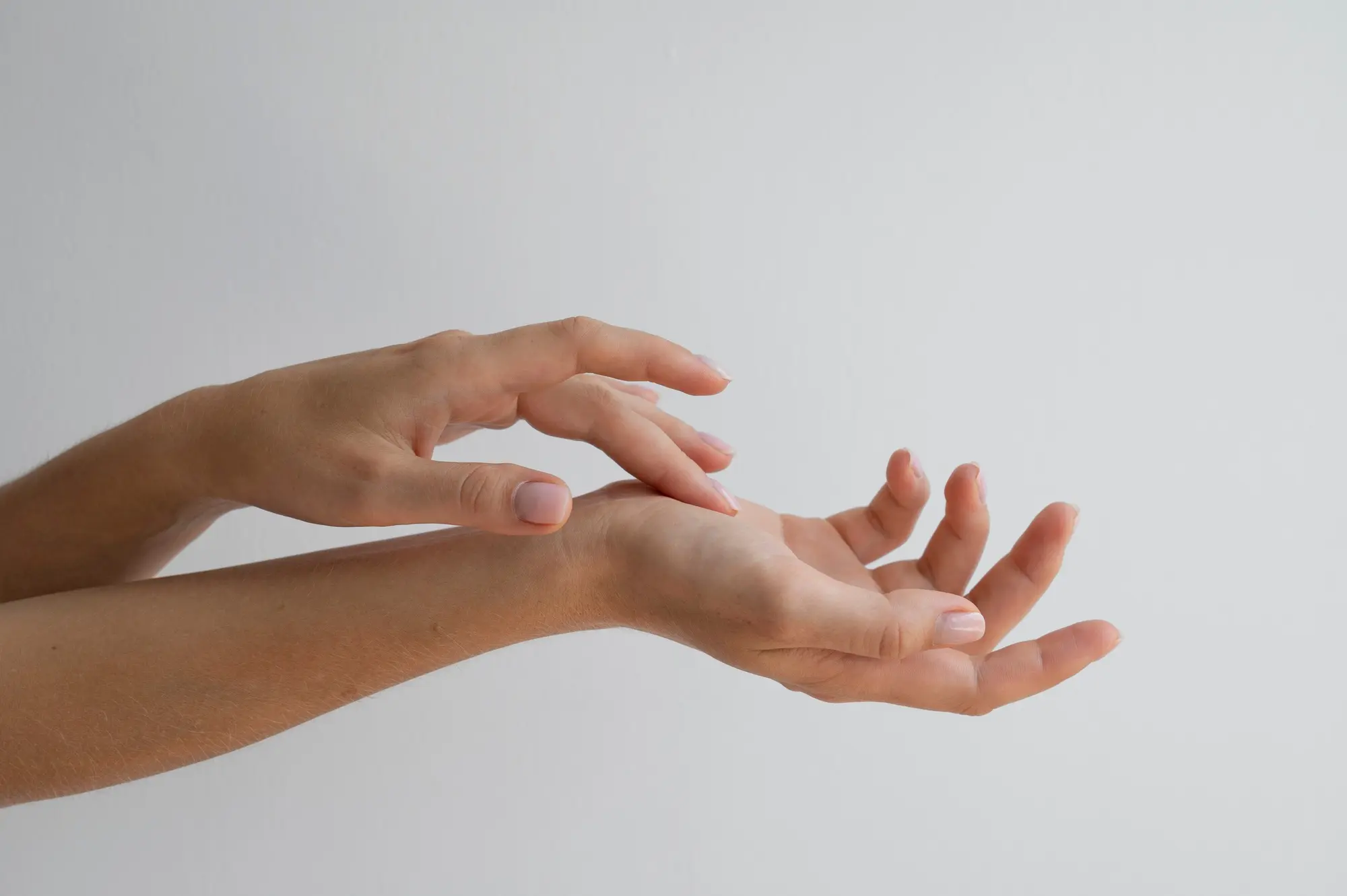
If you are still unsure, try the skin pinch test for dehydration. It is a rough guide rather than a diagnosis, but it is quick and genuinely useful.
- Wash your face and gently pat it dry, then wait a few minutes.
- Gently pinch a small area of skin on your cheek or the back of your hand.
- Hold for a second, then release.
- Watch how quickly it settles. Skin that springs back at once is well hydrated, while skin that is slow to smooth out suggests dehydration.
Try it on a couple of areas to get a clearer picture. If the result surprises you, it often does for people with oily skin, which brings us to the local catch.
Why Oily Skin Can Still Be Dehydrated in Humid Weather
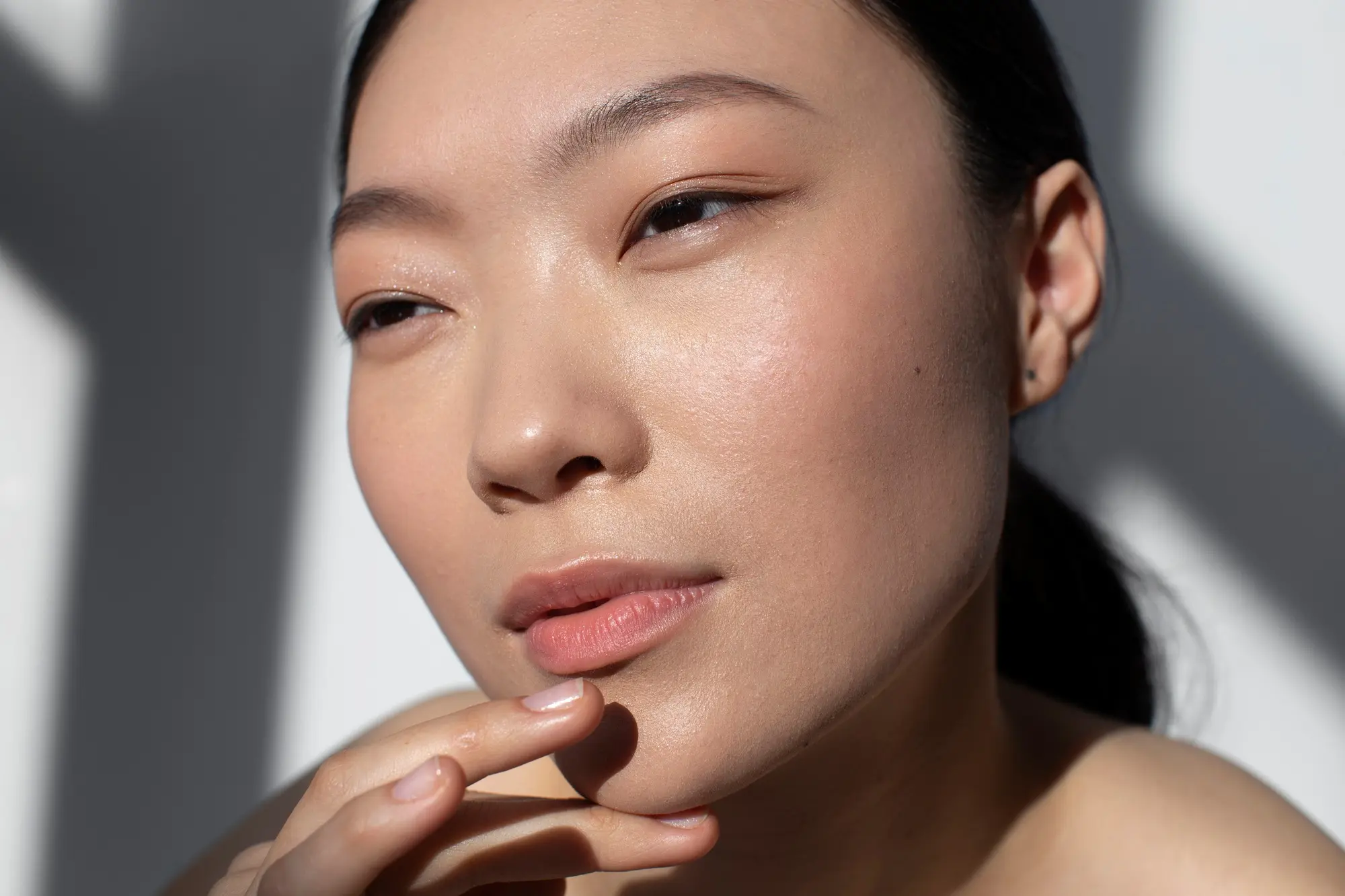
The reason comes down to water loss, not oil. So can this happen to oily skin? Yes, and in a humid climate, it is very common.
When the air is warm and sticky, skin still loses water through its surface, a process called transepidermal water loss. To make up for that missing water, the skin often produces more oil. The result is a face that feels greasy on top yet is short of water underneath. This is the classic oily dehydrated skin Singapore residents deal with all year, and it is why so many people here reach for mattifying, oil-stripping products that only make the dehydration worse.
This transepidermal water loss (TEWL) is significantly accelerated by the modern lifestyle in Singapore. While the outdoor humidity is famously high, most residents spend the majority of their day in climate-controlled environments. The constant cycling between the hot, humid outdoor air and the cool, bone-dry indoor air conditioning acts like a moisture vacuum, pulling water from the skin at an unnatural rate. This rapid transition forces the skin into a state of flux, where it constantly struggles to maintain its natural equilibrium. In response to this perceived drought, the skin often triggers an overproduction of oil as a protective barrier; a counterproductive reflex that creates a greasy surface over a parched, water-starved base.
If you have been treating shine as a sign of too much oil, the dehydrated skin Singapore’s climate encourages may be the real issue. The answer is not to strip the oil away, but to put water back in.
How To Fix Each: A Simple Two-Path Routine
Once you know which you are dealing with, the fix is simple, and it starts with one distinction: hydration vs moisturisation. Hydration means adding water with humectants. Moisturisation means sealing that water in with oils. Dehydrated skin needs the first, dry skin needs the second, and plenty of people need a little of both. Healthline has a clear breakdown of hydrating versus moisturising that lands on the same split.
Here is how to fix dehydrated skin, the hydrate-first path:
- Cleanse gently, without stripping the skin.
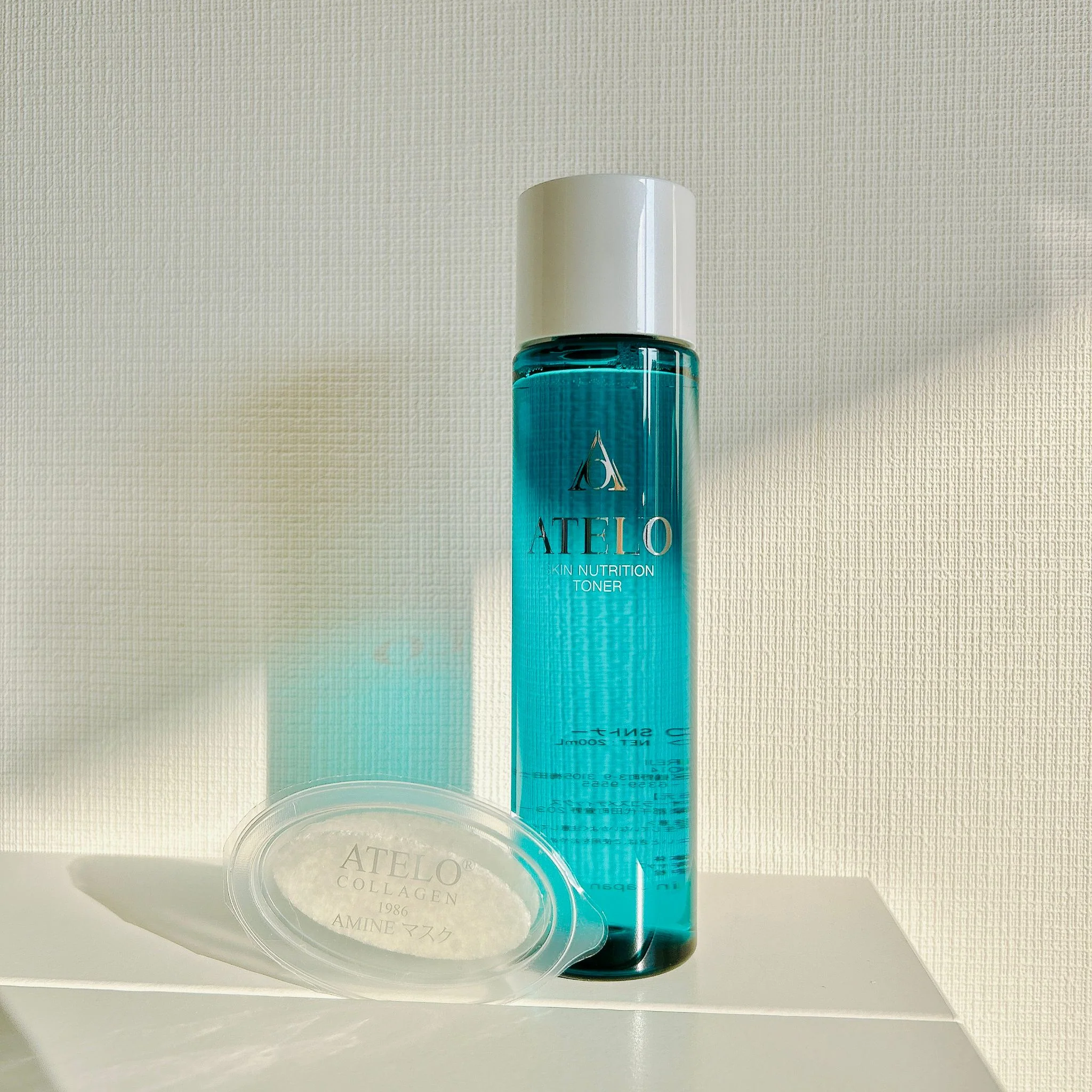
- Layer a water-based step. Humectants such as hyaluronic acid and glycerin draw water into the skin. The Atelo Skin Nutrition Toner sits here, and it is the core of a dehydrated skin routine. You can apply a hydrating toner in thin passes for a bigger drink of water, as covered in this guide to rice toner layering.
- Follow with a light gel moisturiser to hold the water in.
For a dry skin type, the path is about sealing rather than soaking:
- Reach for richer emollients and occlusives. Ceramides help rebuild and seal the skin barrier, and a facial oil locks moisture in overnight.
If you have both, hydrate first and seal second: water first, then a moisturiser or oil on top. The order matters. Piling oils onto skin that is short of water is exactly why your skin can feel dry even after moisturising, because you are sealing the surface without giving it the water it was missing in the first place.
Building A Routine for Singapore’s Climate
In a humid climate, build your routine water-first. Lightweight, hydrating layers suit the weather, and you only need to seal with heavier oils where skin is genuinely dry, usually the cheeks or any flaky patches. Getting dehydrated skin vs dry skin right is really about matching water or oil to whatever your skin is actually short of, rather than defaulting to the richest cream on the shelf. Once you can name dry vs dehydrated skin for yourself, the products finally start to make sense.
Good pore and barrier care for the dehydrated skin humid weather Singapore throws at us responds best to steady, water-led habits. Replenish water-thirsty skin with the Atelo Skin Nutrition Toner as the hydrating anchor of your routine.
Frequently Asked Questions
What is the difference between dry and dehydrated skin?
Dry skin is a skin type that lacks oil and tends to be long-term. Dehydrated skin is a temporary condition that lacks water and can affect any skin type, including oily skin. One needs oil, the other needs water.
Can oily skin be dehydrated?
Yes. When skin loses water, it often makes more oil to compensate, so it can feel greasy on the surface while still being short of water underneath. This is very common in humid weather.
How does the skin pinch test work?
Gently pinch a small area of skin on your cheek or the back of your hand, hold for a second and release. Skin that is slow to bounce back suggests dehydration. It is a rough guide, not a diagnosis.
How do you fix dehydrated skin?
Add water rather than oil. Use gentle cleansing and lightweight, water-based products, then a light moisturiser to hold the water in. Avoid stripping, mattifying products that make water loss worse.
Can you have both dry and dehydrated skin?
Yes. Skin that lacks oil struggles to hold onto water, so a dry skin type can be dehydrated too. Hydrate first, then seal with an oil or richer moisturiser to lock that water in.