
A minimalist skincare routine is not a compromise. For many people, it is simply the most effective approach. The idea that more products always means better results is one of the most persistent misconceptions in skincare, and the evidence does not support it. A minimalist skincare routine built around well-chosen, purposeful products can outperform a complex 10-step routine while being easier to maintain, gentler on the skin, and more cost-effective over time.
This guide explains what minimalist skincare actually means, how to build it correctly, and why it is worth considering even if you have spent years building a more elaborate routine.
What Is a Minimalist Skincare Routine?
A minimalist skincare routine uses the fewest products necessary to maintain or improve skin health. The emphasis is on each product earning its place in the routine by addressing a genuine, specific need. Products are not included for novelty, because they smell nice, or because they are on trend.
Minimalist skincare does not mean bare-bones or under-treating the skin. It means making deliberate choices about what the skin actually needs and removing everything else. This is actually quite difficult in an industry that constantly pushes new products and creates perceived need for ingredients or steps that most skin does not require.
Why Less Can Be More in Skincare
Using too many products simultaneously can:
- Cause active ingredient interactions that reduce efficacy or cause irritation
- Overwhelm the skin barrier with too many ingredients at once
- Make it impossible to identify which product is causing a reaction if one occurs
- Prevent any single product from spending enough time on the skin to absorb properly
- Increase the cumulative sensitisation load, particularly for fragrance and preservative exposure
Many people find that their skin actually improves when they reduce their routine. For a structured method of cutting back and identifying what is genuinely working, see our guide on how to know if your skincare is working.
The Core Products in a Minimalist Skincare Routine
A truly minimalist routine can be built around four to five products that cover the essential functions.
1. Gentle cleanser
Cleansing is non-negotiable. The skin needs to be cleaned of pollution, sunscreen, sweat, and product residue. A gentle, pH-balanced cleanser that does not strip the skin is the starting point of any effective routine.
For a minimalist routine, one cleanser that works for both morning and evening is ideal. If you wear SPF daily, a slightly more thorough evening cleanse may be needed, but the same product can often serve both.
2. Hydrating toner
A good hydrating toner adds the first layer of moisture after cleansing and prepares the skin for better absorption of subsequent steps. In a minimalist routine, this step replaces the need for multiple hydrating serums, as it delivers initial hydration efficiently.
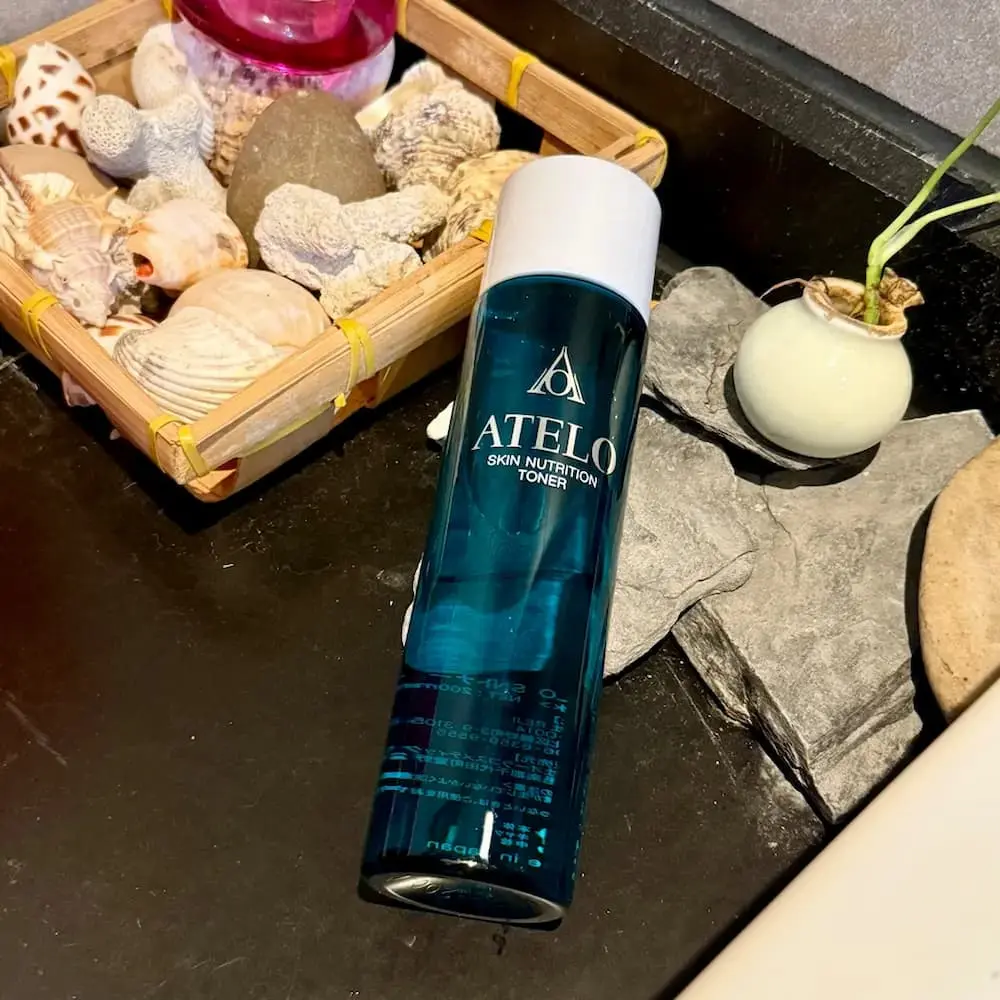
The Atelo Skin Nutrition Toner fits this role well, conditioning the skin after cleansing and supporting the effectiveness of the steps that follow.
3. Targeted treatment (serum)
If there is one active ingredient that addresses your primary skin concern, this is where it sits. For dullness, a vitamin C serum. For fine lines, a retinoid. For barrier support, a niacinamide serum. For general hydration, a hyaluronic acid serum.
In a minimalist routine, this means choosing one serum that addresses your most significant concern rather than layering several. For guidance on applying each step in the right sequence, see our guide on how to layer skincare products. This is where the discipline of minimalist skincare matters most.
4. Moisturiser
A well-formulated moisturiser is the keystone of any skincare routine. It seals in the hydration from earlier steps, supports barrier function, and keeps skin comfortable throughout the day or night.
The Atelo Radiance Boosting Cream provides both hydration and structural skin support through its atelocollagen and supporting ingredient blend. In a minimalist routine, a moisturiser that does several jobs well (hydrating, barrier-supporting, and appearance-improving) is more valuable than a simpler one that requires additional products to compensate.
5. SPF (morning only)
This is the most important product in any morning routine, regardless of how minimal or elaborate that routine is. Daily broad-spectrum sunscreen prevents the UV-related changes that no other skincare product can undo once they have occurred.
Building Around Your Primary Skin Concern
A minimalist routine should be tailored to your specific skin situation, not a generic template. Start by identifying your primary concern:
- Dry or dehydrated skin: prioritise hydrating ingredients and a richer moisturiser (our guide on how to build a skincare routine for dry skin covers this in detail)
- Sensitive or reactive skin: focus on fragrance-free, gentle formulas and barrier support
- Dull skin: add a vitamin C serum or include a gentle exfoliant
- Uneven texture: incorporate a gentle acid once or twice a week
- Early signs of ageing: include a retinoid in the evening routine
Only one concern should drive the choice of your active treatment product. If multiple concerns need addressing, work on the most impactful one first and introduce additional treatments gradually, maintaining the minimalist principle of purposeful addition.
The Atelo Approach to Minimalist Skincare
Atelo Singapore’s formulation philosophy aligns closely with the minimalist approach. The brand describes its products as “purpose-driven formulas that focus on efficacy, balance, and what the skin truly needs.” This is the essence of minimalist skincare: products that justify their inclusion rather than simply adding to the count.
The Atelo range offers a complete routine in a small number of products: the Skin Nutrition Toner, Vital pH Gel, Radiance Boosting Cream, and Amine Mask as a weekly treatment. Each product is fragrance-free, dermatologist-tested, and formulated without unnecessary additives. Together, they provide a full skincare routine that follows minimalist principles without compromising on what the skin actually needs.
Weekly Treatments in a Minimalist Routine
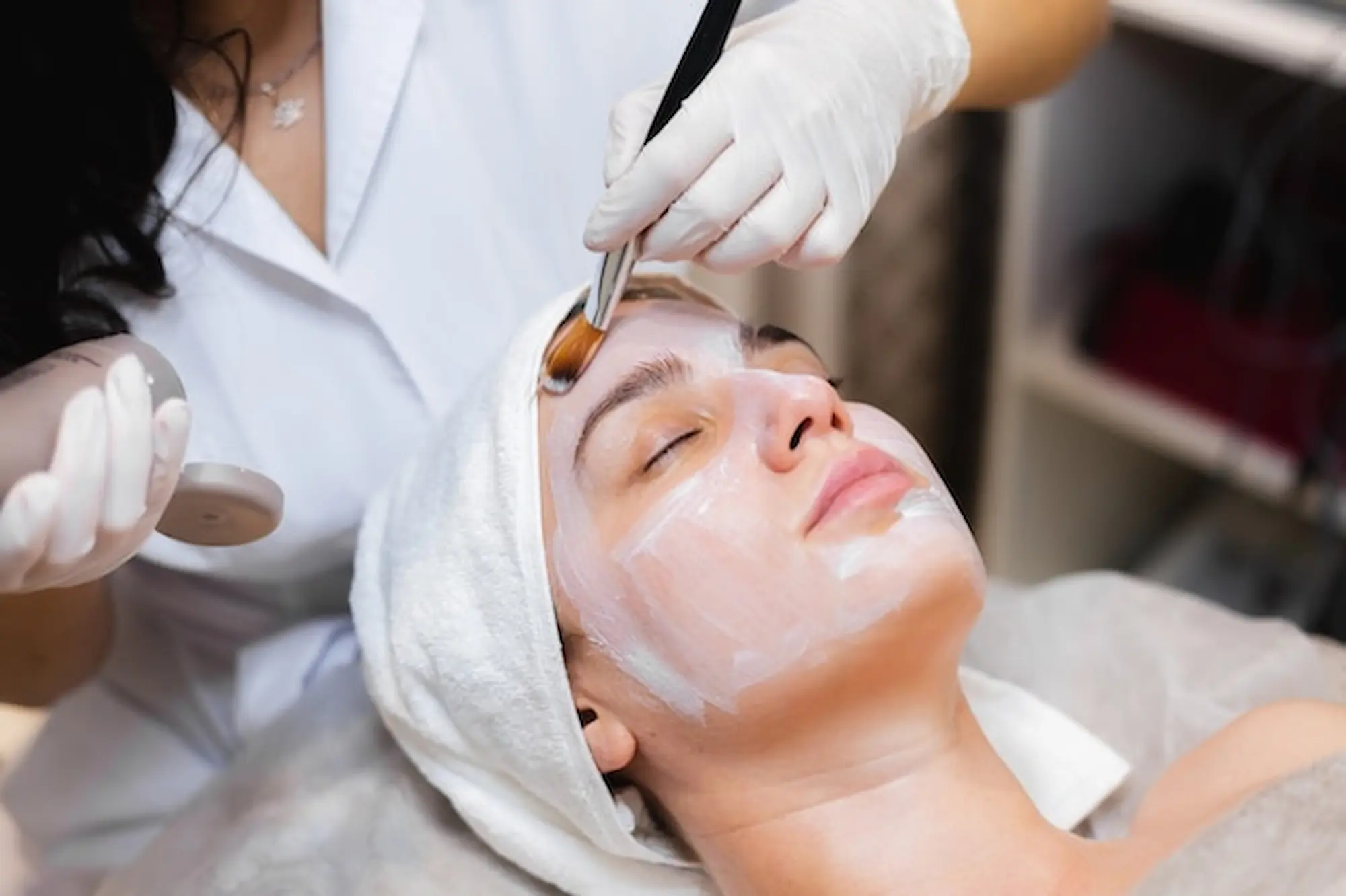
Even a minimalist routine benefits from occasional targeted treatments. The Atelo Amine Mask, used once or twice a week, provides a concentrated skin reset that sits outside the daily routine without complicating it. A 15-minute treatment once a week adds meaningful value without adding daily steps.
In general, any treatment you add to a minimalist routine should replace rather than add. If you use a sleeping mask once a week, replace the moisturiser on that evening rather than applying the mask on top of it.
How to Transition to a Minimalist Routine
If you are currently using a more complex routine and want to simplify:
- Identify which products you have genuinely seen results from and which you use out of habit
- Remove one product at a time over several weeks, monitoring how skin responds
- Start from scratch if needed: strip down to cleanser, moisturiser, and SPF, then add back what is genuinely necessary
- Prioritise quality over quantity when choosing what to keep or replace
Minimalist Skincare in Singapore’s Climate
Singapore’s environment, with its outdoor heat and indoor air conditioning, suits a minimalist approach well. Heavy, multi-layer routines can feel uncomfortable in warm weather and are more likely to be abandoned inconsistently. A lighter, well-chosen routine that is easy to maintain is more sustainable in this climate. For more on how Singapore’s environment affects what skin needs day to day, see our guide on Singapore weather and skincare.
For Singapore specifically, the essentials remain the same: gentle cleansing, layered hydration, targeted treatment, and daily SPF. Products chosen for their lightness and suitability for the tropics will be more consistently used, and consistency is ultimately what delivers results.
Building a Minimalist Skincare Routine That Actually Works
A minimalist skincare routine is not a beginner routine, a lazy routine, or a routine for people who do not care about their skin. It is a considered, deliberate approach that strips out the unnecessary and focuses effort and product quality where it genuinely matters.
The result, when built thoughtfully, is often skin that is calmer, more hydrated, and more resilient than a complex routine would achieve, because it is not being over-treated, over-complicated, or confused by ingredient interactions. For most people, it is simply a better way to approach skincare.
Frequently Asked Questions (FAQs)
What is a minimalist skincare routine?
A minimalist skincare routine uses the fewest products necessary to maintain or improve skin health, with each product included because it addresses a specific, genuine skin need. It is not a bare-bones or beginner approach; it is a deliberate one that removes anything the skin does not actually require. A well-built minimalist routine typically covers four to five steps: a gentle cleanser, a hydrating toner, one targeted treatment serum, a moisturiser, and a broad-spectrum SPF in the morning. The goal is a routine where every product earns its place rather than one where products accumulate out of habit or trend.
Is a simple skincare routine as effective as a complex one?
For most people, a simple skincare routine is equally or more effective than a complex multi-step one. Using too many products simultaneously risks active ingredient interactions that reduce efficacy, overwhelms the skin barrier with unnecessary ingredients, and makes it difficult to identify what is causing a reaction if one occurs. Many people find their skin becomes calmer and more stable when they reduce their routine, because the skin is no longer dealing with excessive ingredient load and potential irritants. Effectiveness comes from choosing the right products for your specific skin needs, not from the number of steps in the routine.
How do you build a minimalist skincare routine for Singapore’s climate?
A minimalist skincare routine for Singapore needs to balance lightweight texture with sufficient hydration to compensate for the dehydrating effect of indoor air conditioning. The core steps are a gentle pH-balanced cleanser, a hydrating toner as the first moisture layer, one targeted serum addressing your primary concern, and a lightweight moisturiser; gel textures work particularly well in warm weather. Broad-spectrum SPF is non-negotiable as the final morning step given Singapore’s year-round extreme UV levels. Heavy or occlusive products that feel uncomfortable in the heat are more likely to be skipped inconsistently, which is why keeping the routine light and manageable suits the climate better than a multi-layer approach.
How many skincare products do you actually need?
Most people need no more than four to five products for a complete and effective daily routine: a cleanser, a hydrating toner, one targeted serum, a moisturiser, and SPF. Beyond this core, additional products should only be introduced if they address a specific concern that the core routine is not resolving. A weekly treatment mask can be added as a targeted step without increasing the daily product count. The question to ask about any product you are considering is not whether it sounds beneficial in isolation, but whether it addresses something your skin genuinely needs that the existing routine is not already covering.
How do you transition from a complex routine to a minimalist one?
The most practical way to transition to a minimalist skincare routine is to remove products gradually rather than all at once. Start by identifying which products in your current routine have produced visible or noticeable results and which you use primarily out of habit. Remove one product at a time over several weeks, monitoring how your skin responds before removing the next. If your skin has become reactive or you are genuinely unsure what is working, strip back entirely to cleanser, moisturiser, and SPF for four weeks to establish a clean baseline, then reintroduce products one at a time. This slower approach gives you clear information about what each product is actually contributing to your skin.