
One of the most common questions people ask after starting a new skincare routine is how to know if skincare is working. Skin does not change overnight, and the quiet, gradual improvement that good skincare produces can be easy to miss, especially if you are looking for dramatic before-and-after results within a few days.
This guide covers what realistic skincare results look like, how to track progress meaningfully, and how to tell the difference between a product that needs more time and one that is simply not right for your skin.
How Long Does Skincare Take to Work?
The most important context for assessing any skincare routine is understanding how long change actually takes. Skin cell turnover, the process by which new cells replace old ones at the surface, happens on a roughly 28-day cycle. This cycle slows as we age, reaching 40 to 60 days or more in mature skin.
This means you need at least one full skin cell cycle, typically four to six weeks, before you can fairly assess whether a product is making a difference. Some concerns, such as pigmentation and fine lines, require three to six months of consistent use before meaningful improvement is visible.
Expecting results in a few days leads to premature product abandonment and a cycle of constantly switching products without giving any of them enough time to work.
Signs Your Skincare Is Working

Rather than waiting for dramatic visible changes, look for these more subtle but meaningful signals that your routine is doing what it should.
Skin feels more comfortable throughout the day
If your skin previously felt tight, dry, or uncomfortable at various points in the day and now maintains a more consistent level of comfort, that is a real indicator of improvement. The skin barrier is functioning better and retaining moisture more effectively.
Less reactivity to products and environment
Skin that was stinging, reacting, or feeling irritated by products it now tolerates well is a sign the barrier is strengthening. Reduced reactivity does not always look dramatic but represents genuine underlying improvement.
Visible texture and surface improvements
After four to eight weeks of consistent exfoliation and hydration, many people notice their skin feels smoother under the fingertips and looks more even in photographs or in certain lighting. This is genuine textural improvement from dead cell clearance and better hydration.
Improved skin tone consistency
An even, more consistent complexion without the fluctuating redness, dullness, or blotchiness that characterised the skin before is a clear sign of progress. For more on what drives uneven tone and texture, see our guide on what causes uneven skin texture.
Reduced severity or frequency of breakouts
For skin that tends towards congestion, a well-chosen routine that supports the barrier and keeps pores clear will typically lead to fewer or less severe breakouts over time. This takes at least six to eight weeks to assess reliably.
Signs Your Skincare Might Not Be Working
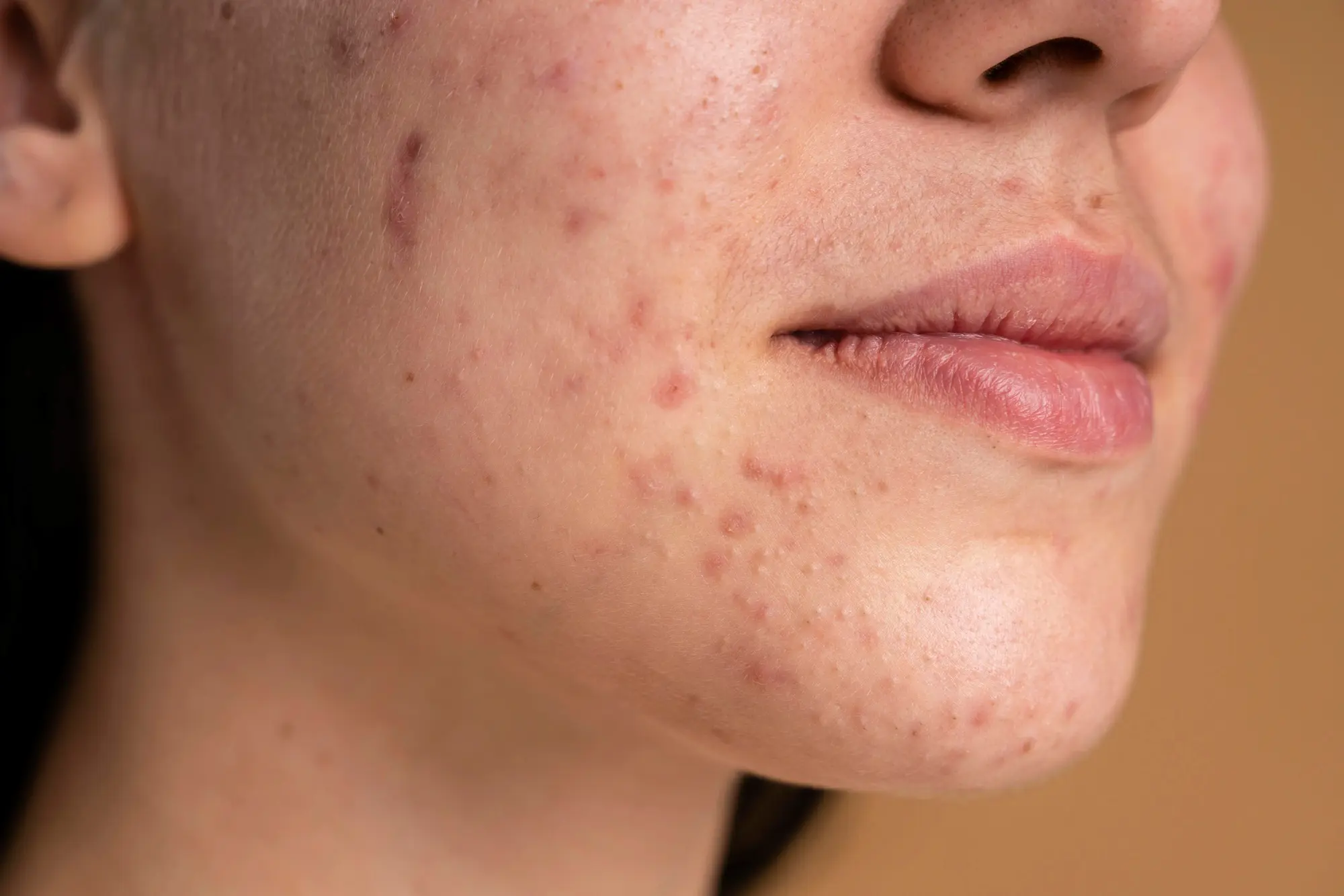
Ongoing or worsening dryness despite consistent moisturising
If your skin still feels dry or tight after a consistent routine that should be addressing it, something in the routine is either insufficient or actively contributing to moisture loss. Revisit the cleanser first, as it is often the culprit. Our guide on why skin feels dry even after moisturising covers the most common underlying reasons.
Persistent irritation, redness, or stinging
Low-level irritation that does not improve after two to four weeks suggests an ingredient or product is not suited to your skin. This is not always a dramatic reaction; it can be a constant mild tingling or slight redness that becomes the baseline. If the barrier appears compromised, see our guide on how to fix a damaged skin barrier.
Breaking out more than before
Some new products, particularly those containing heavy oils or occlusive ingredients, can cause initial breakouts as they interact with the existing skin environment. However, if breakouts continue or worsen beyond six to eight weeks, the product may not be suitable for your skin.
No change whatsoever after six to eight weeks
If you have been using a product consistently and carefully for six to eight weeks and see absolutely no change in the concern it is meant to address, the product may not be effective for your specific concern or skin type. This is different from seeing slow improvement; it is seeing genuinely zero difference.
How to Track Skincare Progress Properly

Tracking skincare results systematically makes it much easier to assess whether something is working. Some practical methods:
Take baseline photos
Photograph your skin in consistent lighting at the start of any new routine. Use the same light source, same angle, and same time of day. Reviewing these photos at the four-week and eight-week mark gives you a much more objective comparison than relying on memory.
Keep a simple skin journal
Note how your skin feels each day or every few days. Over several weeks, patterns emerge that reveal whether the routine is genuinely making skin more comfortable and consistent.
Change only one variable at a time
If you change multiple products simultaneously, you lose the ability to identify which change caused any improvement or worsening. When troubleshooting or trialling new products, change one thing at a time and wait at least two weeks before the next change. This principle is central to building a skincare routine that works for dry skin and applies across all skin types.
Common Reasons Skincare Stops Working
Sometimes a routine works well for a period and then seems to stop delivering the same results. This can happen for several reasons:
- Seasonal changes affecting skin hydration needs, particularly relevant in Singapore’s minor wet and dry season variations (for more on how the local climate affects skin, see our guide on Singapore weather and skincare)
- Hormonal changes shifting skin type or oil production levels
- The skin has adapted and the concern being addressed has largely been resolved, so improvement naturally slows
- Product formulation changes from the manufacturer
In most cases, reassessing the routine and making targeted adjustments (such as adding more hydration in drier conditions or reducing actives if the skin has become sensitive) will resolve the issue.
When to Simplify the Routine
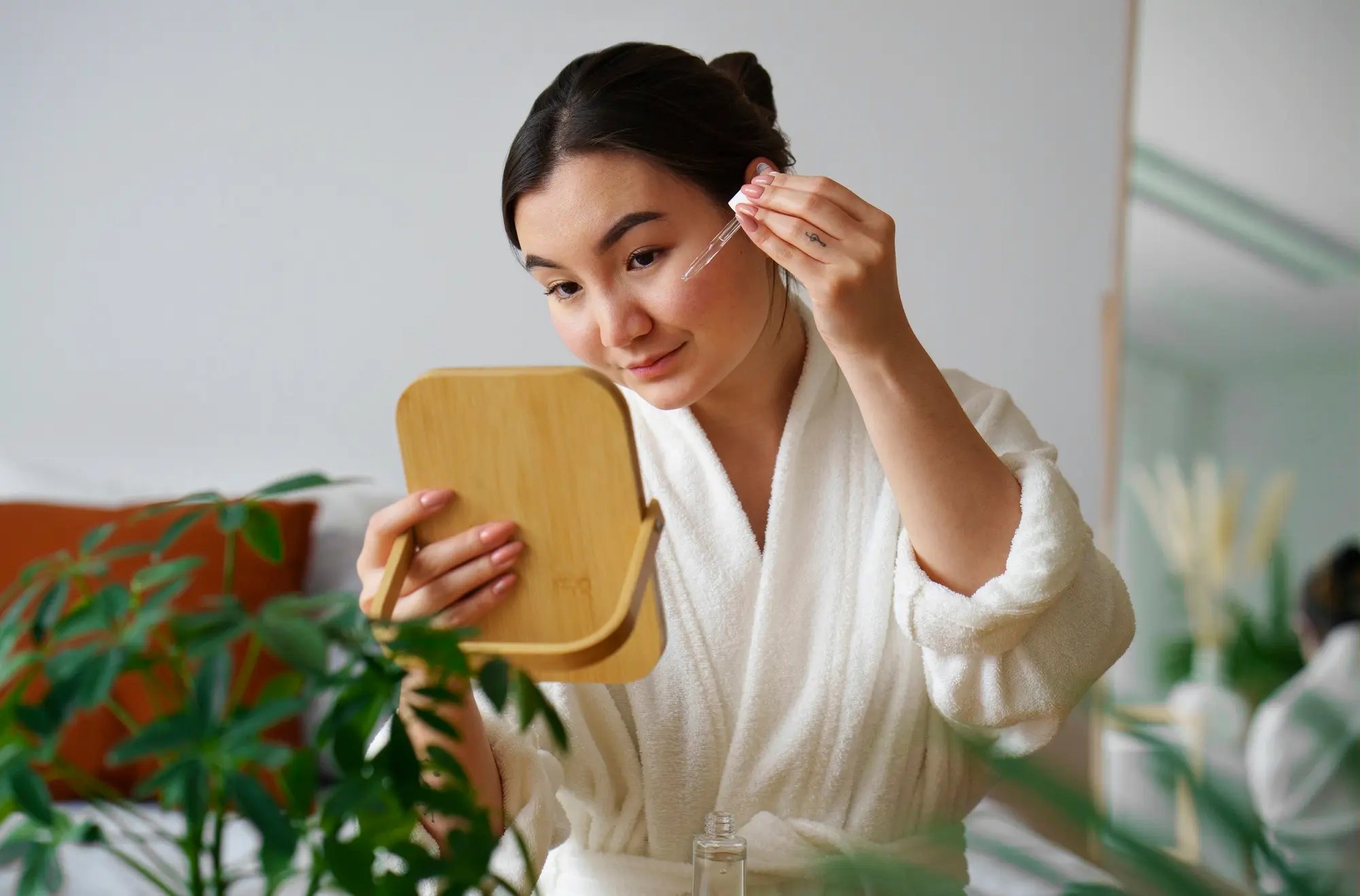
If you are genuinely unsure whether your skincare is working and feel overwhelmed by a complex routine, simplification is almost always the right first step. Strip back to the essentials: a gentle cleanser, a moisturiser, and SPF. Give this simplified routine four weeks.
If your skin stabilises and improves, add products back one at a time over subsequent weeks. This process, though slower, gives you much clearer information about what each product is actually contributing. The Atelo Radiance Boosting Cream and Atelo Skin Nutrition Toner are designed to work as a focused core routine without unnecessary complexity.
Knowing If Your Skincare Is Working: The Summary
Understanding how to know if skincare is working requires patience, realistic expectations about timelines, and a systematic approach to tracking and adjusting. The most reliable signals are improved skin comfort, reduced reactivity, and gradual visible improvements in texture and tone over a minimum of four to six weeks.
Good skincare does not need to be exciting in the short term. The most effective routines are often quiet, consistent, and undramatic, delivering cumulative improvements over months that make a visible and lasting difference.
Frequently Asked Questions (FAQs)
How long does it take for skincare to work?
The minimum realistic timeline for assessing whether a skincare product is working is four to six weeks, which corresponds to at least one full skin cell turnover cycle. For concerns like hydration and surface texture, noticeable improvement can appear within this window with consistent use. For more significant concerns such as hyperpigmentation, fine lines, or post-acne scarring, three to six months of consistent use is a more realistic expectation before meaningful visible improvement occurs. Assessing a product before the four-week mark and concluding it does not work is one of the most common reasons people cycle through routines without ever seeing real results.
What are the signs that your skincare routine is working?
The early signs that skincare is working are often more functional than visual. Skin that feels consistently comfortable throughout the day rather than tight, dry, or reactive at certain points is one of the clearest indicators that the barrier is strengthening and moisture retention has improved. Other reliable signals include reduced irritation from products the skin previously reacted to, smoother texture under the fingertips, fewer or less severe breakouts, and a more even complexion without the fluctuating redness or dullness that characterised the skin before. Visible improvements in tone and texture typically become more apparent from the six to eight week mark onwards.
How do you know if a skincare product is not working for your skin?
There are four key signs a product is not suited to your skin. Persistent irritation, redness, or stinging that does not resolve after two to four weeks of use suggests an ingredient incompatibility rather than an adjustment period. Ongoing or worsening dryness despite consistent use of products that should be addressing it indicates something in the routine is contributing to moisture loss rather than preventing it. Breakouts that continue or worsen beyond six to eight weeks of use suggest the product may be congesting or disrupting your skin. And genuinely zero improvement in the specific concern a product is meant to address after six to eight weeks of consistent use is a clear signal to reconsider it.
How do you track skincare results accurately?
The most reliable way to track skincare results is to take baseline photographs in consistent lighting (same light source, same angle, same time of day) at the start of a new routine, then review them at the four-week and eight-week marks. Memory is an unreliable guide because it adjusts to gradual change, making slow improvement invisible. Keeping a brief skin journal, noting comfort levels and any reactions every few days, helps identify patterns over time. Crucially, change only one product at a time when testing or troubleshooting a routine, and allow at least two weeks between changes. Introducing multiple new products simultaneously makes it impossible to identify what caused any improvement or worsening.
When should you simplify your skincare routine?
Simplifying your routine is the right step when you feel genuinely uncertain about whether anything is working, when your skin has become reactive or uncomfortable, or when a complex multi-product routine has made it impossible to identify what is helping and what is not. Strip back to three essentials (a gentle cleanser, a moisturiser, and SPF) and maintain this simplified routine for four weeks. If the skin stabilises and improves, you have a clear baseline to work from. Add products back one at a time over the following weeks, waiting at least two weeks between additions, until you have rebuilt a routine where every step has a clear and observable contribution.