
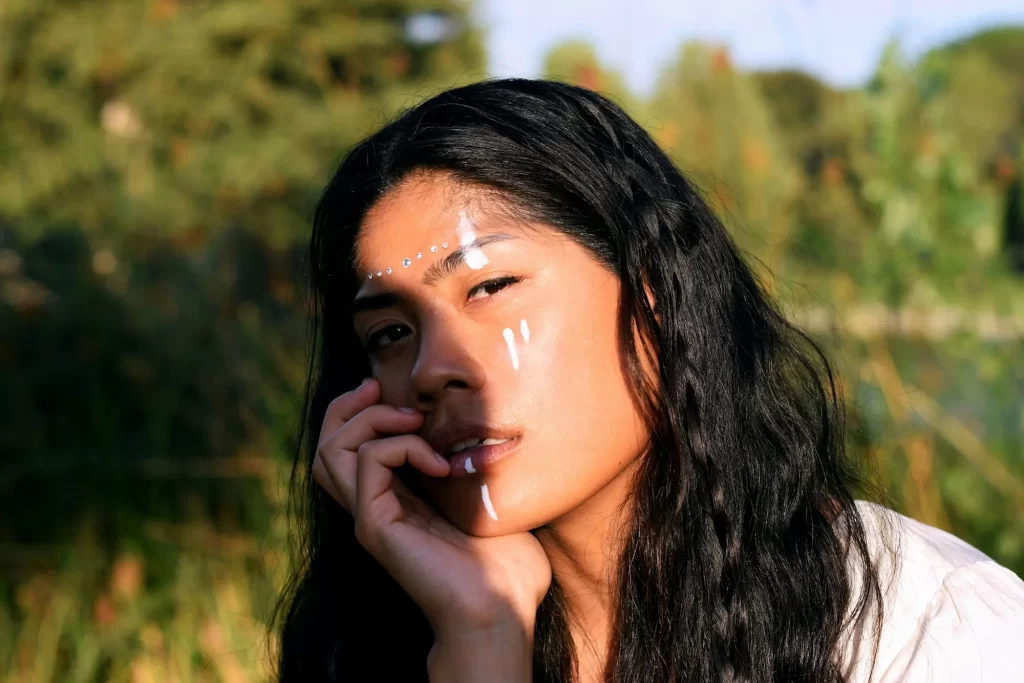
Singapore weather skin care is a topic that deserves more attention than it usually gets. The climate here is genuinely unlike most places in the world, and the unique combination of tropical heat, high outdoor humidity, and pervasive indoor air conditioning creates a specific set of challenges for the skin. Understanding what the environment is doing to your skin is the first step to building a routine that works within it.
Singapore’s Unique Climate and Why It Matters for Skin
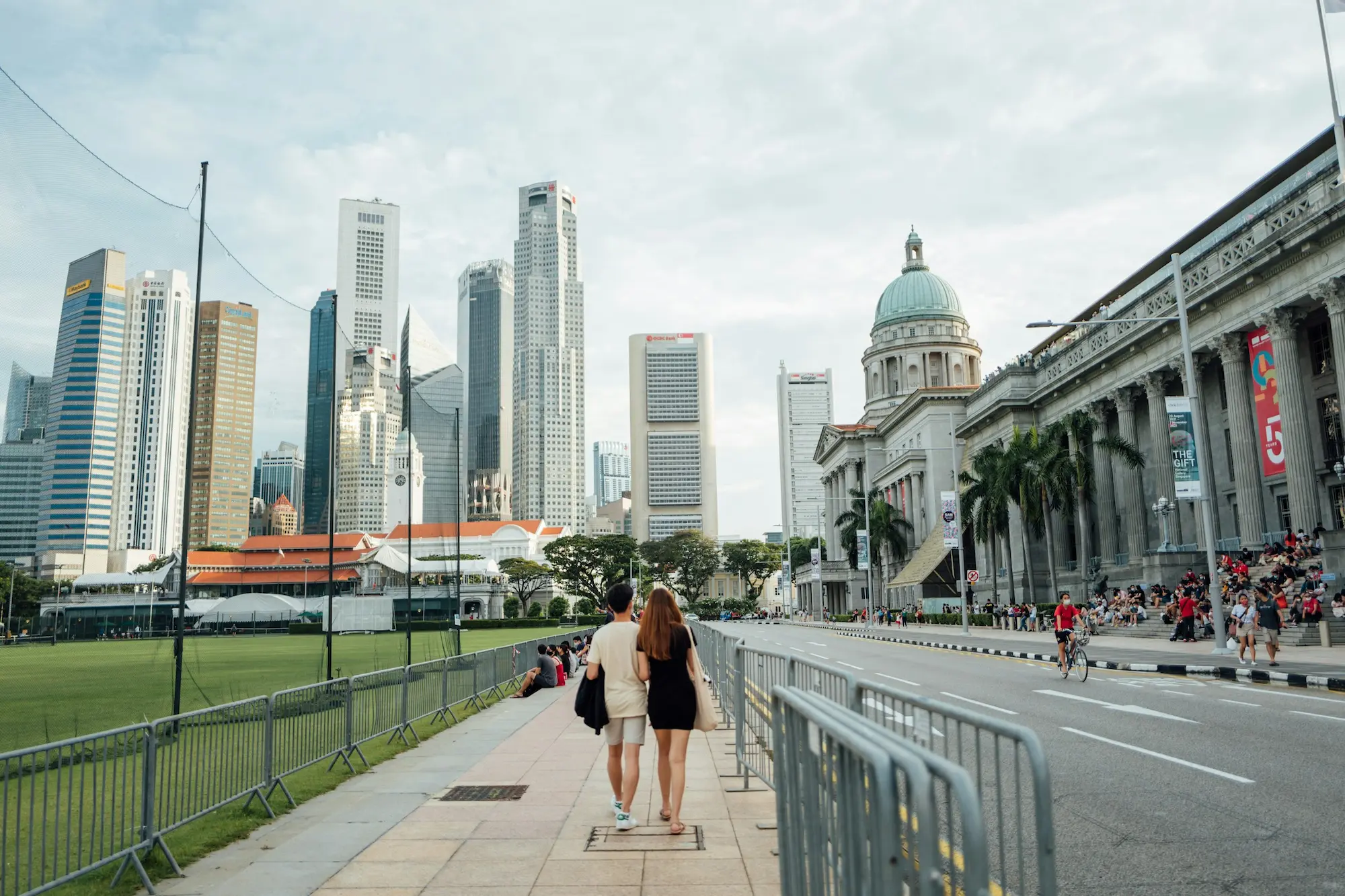
Singapore sits close to the equator, which means it experiences a tropical rainforest climate year-round. Average temperatures stay between 25 and 34 degrees Celsius. Relative humidity outdoors typically ranges from 70 to 90 percent. UV Index readings are consistently high, often reaching 11 or above at midday.
On the surface, high humidity might seem like a benefit for the skin. More moisture in the air should mean better-hydrated skin. In practice, however, the interplay of outdoor heat, indoor cooling, and UV exposure creates a more complicated picture.
The Air Conditioning Problem
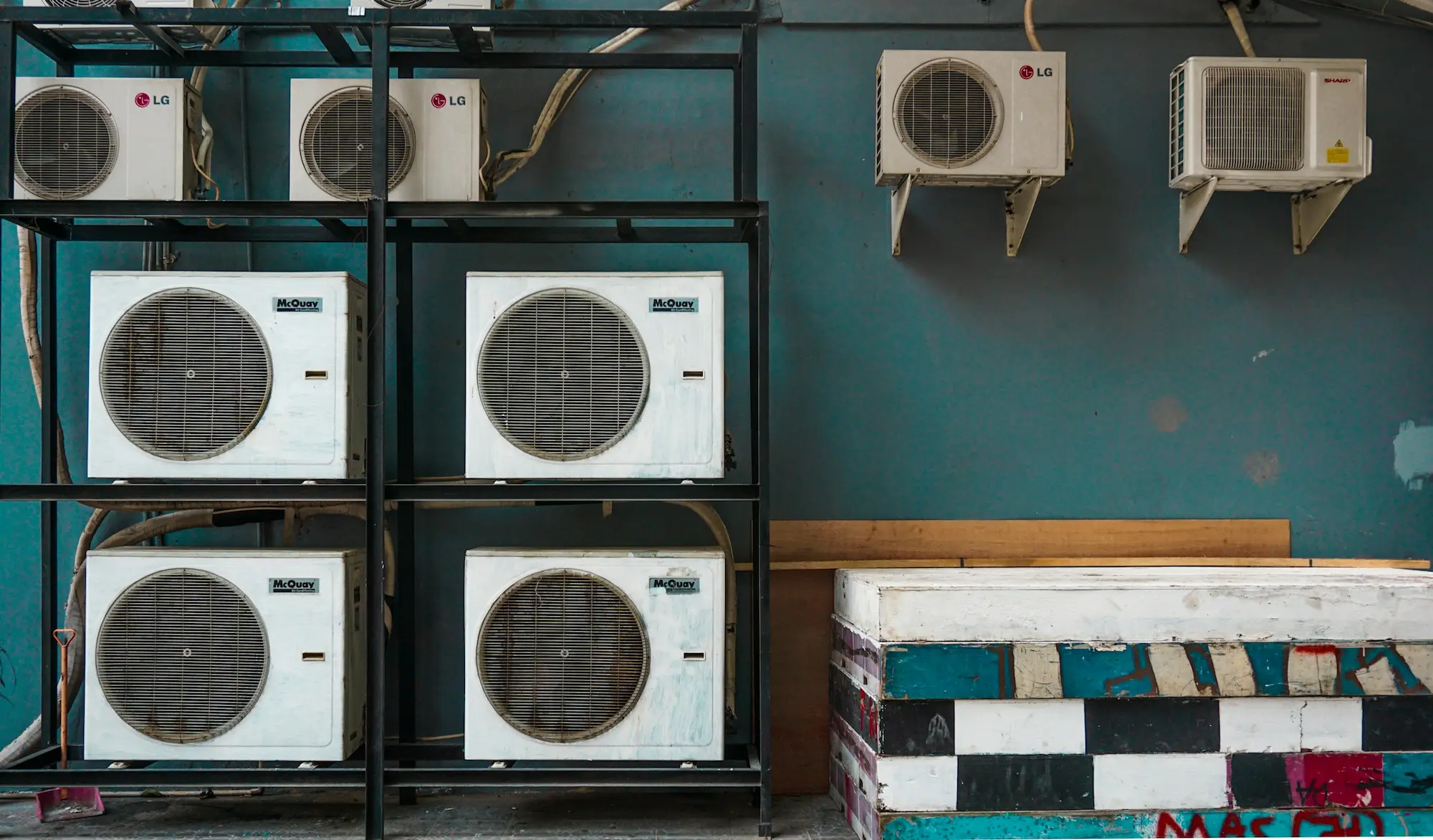
This is the defining skincare challenge for many people in Singapore. Air-conditioned environments operate at significantly lower humidity than the outdoors. Offices, shopping malls, MRT stations, and most indoor environments maintain temperatures of around 20 to 23 degrees Celsius with much lower relative humidity.
Skin that moves repeatedly between humid outdoor air and dry indoor air is constantly adjusting to different moisture conditions. Over time, this moisture fluctuation takes a toll on the skin barrier. The lipid layer that protects the skin gets disrupted more easily, moisture evaporates more readily during indoor time, and the cumulative effect is skin that feels tight and dry despite the outdoor humidity.
This also explains why many people in Singapore experience dry skin that does not match the common perception of tropical climates as being hydrating for the skin.
The UV Exposure Challenge
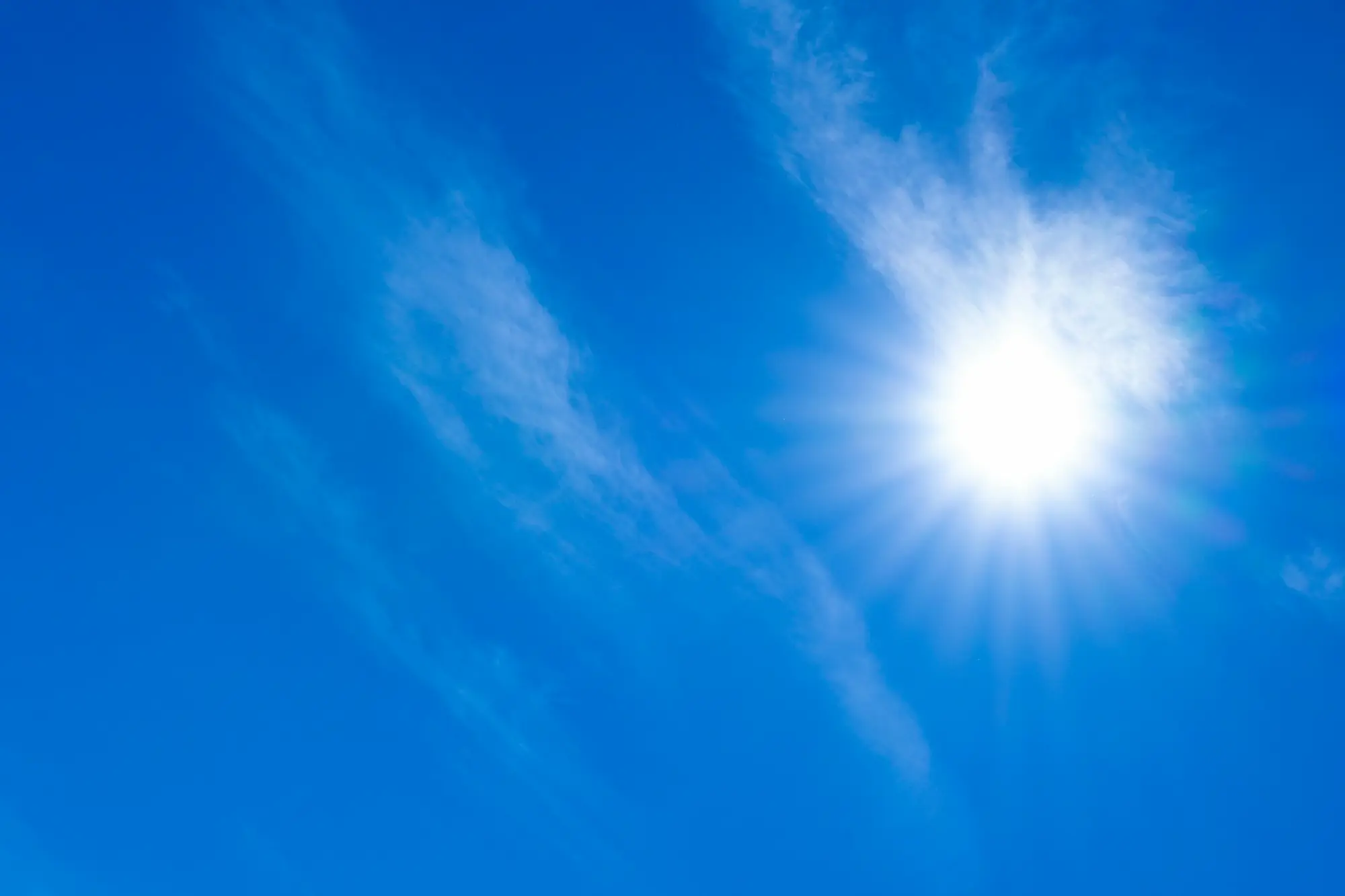
Singapore’s UV Index is one of the highest in the world. UV radiation is the primary environmental cause of premature skin ageing, uneven pigmentation, and barrier damage. With outdoor UV levels consistently extreme throughout the year, daily SPF protection is not optional. It is genuinely essential in this climate.
Many people underestimate UV exposure in Singapore because the sun is not always visible, and rain or cloud cover reduces its apparent intensity without meaningfully reducing UV levels. UVA radiation in particular penetrates cloud cover and glass, meaning exposure happens even when sitting near windows or during overcast days.
Sweating and Its Effects on Skin
The heat in Singapore causes most people to sweat throughout the day. Sweat itself is not harmful to the skin, but what happens with sweat can be:
- Sweat mixes with sunscreen and makeup, potentially clogging pores if not properly cleansed
- Sweat that evaporates quickly from the skin surface can take moisture with it
- Wiping sweat repeatedly with a cloth or tissue causes friction that can irritate sensitive skin
- Bacteria that thrive in warm, moist environments can proliferate on the skin surface if cleansing is not consistent
Adjusting Your Skincare Routine for Singapore’s Climate
Cleanse twice a day
With the combination of sweat, sunscreen, pollution, and product build-up, twice-daily cleansing is appropriate for most people in Singapore. Use a gentle, pH-balanced cleanser that removes impurities effectively without stripping.
Layer hydration, even in a humid climate
The indoor dryness that air conditioning creates means hydration remains important even in a tropical climate. Use a hydrating toner after cleansing, add a lightweight serum with skin-supporting ingredients like hyaluronic acid or glycerin, and follow with a moisturiser appropriate for your skin type.
For those who find heavy cream moisturisers uncomfortable in Singapore’s warmth, a lighter gel moisturiser can provide hydration without the uncomfortable heaviness. The Atelo Vital pH Gel is designed to balance and refresh the skin while supporting a comfortable skin surface, which makes it suitable for the Singapore climate where a lighter texture is often more practical.
Prioritise SPF above everything else
No skincare step is more important in Singapore than SPF. Use a broad-spectrum SPF 30 or higher every morning, and consider reapplying during the day if you spend time outdoors. Mineral SPFs with zinc oxide are generally reliable for broad-spectrum protection and are often well-tolerated even by sensitive skin.
Cleanse properly at the end of the day
A thorough evening cleanse is especially important in Singapore. If you wore SPF and spent time outdoors or in an air-conditioned environment, consider double cleansing to ensure the skin is thoroughly clean before your evening routine.
Use a weekly treatment for hydration
The ongoing stress of Singapore’s climate can leave skin feeling depleted. A weekly hydrating mask, such as the Atelo Amine Mask, can provide a concentrated reset that helps skin recover from the week’s environmental exposure and appear smoother and more refreshed.
Common Skin Problems Exacerbated by Singapore’s Climate
Dry or dehydrated skin indoors
Despite the outdoor humidity, dehydrated skin from indoor air conditioning is very common. This often shows up as skin that feels fine outdoors but becomes tight and uncomfortable within an hour or two of being inside.
Congested or oily skin outdoors
The combination of heat, sweat, and sunscreen can cause congestion and increased oiliness for those who are prone. A lightweight, non-comedogenic moisturiser and thorough cleansing at the end of the day help manage this.
Uneven pigmentation
With year-round high UV exposure, post-inflammatory hyperpigmentation from spots and uneven pigmentation from sun damage are very common in Singapore. Daily SPF use and antioxidant support in the routine are the key preventive measures.
Sensitive or reactive skin
The constant shift between humid outdoor air and dry indoor air, combined with high UV and pollution, can make the skin more reactive over time. Simplifying the routine, prioritising barrier support, and using fragrance-free products help manage this.
Building a Singapore-Ready Skincare Routine
The best routine for Singapore weather skin care combines thorough cleansing, layered hydration, consistent UV protection, and regular use of barrier-supporting ingredients. It should be light enough to wear comfortably in the heat but hydrating enough to compensate for what air conditioning takes away.
Adjusting your routine seasonally is less important here than in other climates, as conditions remain broadly consistent year-round. The bigger adjustment is spatial: what your skin needs outdoors versus what it needs after hours in an air-conditioned environment. Building a routine that serves both is the real challenge and opportunity of skincare in Singapore.
Frequently Asked Questions (FAQs)
How does Singapore’s weather affect your skin and skincare routine?
Singapore weather skincare presents a uniquely challenging environment because of three simultaneous stressors that most climates do not combine: year-round extreme UV radiation with an Index frequently reaching 11 or above at midday, outdoor humidity of 70 to 90 percent that creates a false sense of skin hydration, and pervasive indoor air conditioning operating at 20 to 23 degrees Celsius with significantly lower humidity. The result is skin that constantly fluctuates between humid and dry conditions throughout the day, progressively weakening the barrier’s lipid layer and causing moisture to evaporate more readily indoors. A Singapore-ready skincare routine needs to address all three stressors simultaneously: thorough daily cleansing, layered hydration, and non-negotiable daily SPF.
Why does skin feel dry indoors in Singapore despite the high humidity outside?
This is the defining paradox of dry skin in Singapore from air conditioning, and the answer lies entirely in indoor environments. Despite outdoor humidity regularly exceeding 70 percent, the vast majority of time in Singapore is spent in air-conditioned offices, malls, MRT stations, and homes operating at much lower humidity levels. Skin that moves repeatedly between humid outdoor air and dry indoor air is constantly adjusting to conflicting moisture conditions, gradually disrupting the barrier’s lipid layer and accelerating transepidermal water loss. The result is skin that feels comfortable outside but becomes noticeably tight and uncomfortable within one to two hours of being indoors. Consistent layered hydration (toner, lightweight serum, and an appropriate moisturiser) directly compensates for this air-conditioning-driven moisture loss.
What is the best skincare routine for Singapore’s humidity and climate?
The best skincare routine for Singapore’s humidity balances two seemingly contradictory needs: being light enough to wear comfortably in outdoor heat and sweat, while being hydrating enough to compensate for hours of indoor air-conditioning-related moisture loss. The optimal routine includes a gentle pH-balanced cleanser used twice daily to remove sweat, sunscreen, and pollution effectively; a hydrating toner applied after cleansing to restore moisture immediately; a lightweight serum or gel moisturiser that hydrates without heaviness in the heat; broad-spectrum SPF 30 or higher as the non-negotiable final morning step; and a thorough double cleanse in the evening to ensure SPF and environmental residue are fully removed before the night routine begins. A weekly hydrating mask provides an additional reset for skin depleted by cumulative environmental stress..
How should you adjust your skincare routine for hot weather in Singapore?
Adapting a hot weather skincare routine for Singapore requires four specific adjustments beyond standard skincare advice. First, switch heavier cream moisturisers to lightweight gel formulas that provide equivalent hydration without the uncomfortable heaviness that causes people to skip moisturiser in the heat; skipping it entirely is the more damaging outcome. Second, prioritise thorough evening double cleansing to fully remove the sweat, sunscreen, and pollution that accumulate in Singapore’s outdoor environment, as incomplete removal contributes to congestion and uneven texture over time. Third, blot rather than wipe sweat during the day; repeated friction from wiping irritates the skin surface and compromises the barrier. Fourth, reapply SPF during extended outdoor exposure, as sweat significantly reduces sunscreen efficacy faster than in cooler climates.
What are the most important tropical climate skin tips for living in Singapore year-round?
The most essential tropical climate skin tips for year-round life in Singapore centre on five non-negotiable habits. Daily broad-spectrum SPF is the single highest-impact step given Singapore’s extreme year-round UV Index; cloud cover and glass do not meaningfully reduce UVA exposure, so SPF applies on every day without exception. Layered hydration counters the dehydrating effect of air conditioning that affects skin for most of the working day. Twice-daily gentle cleansing manages the sweat, sunscreen, and pollution that accumulate in Singapore’s outdoor environment. Fragrance-free, barrier-supporting products reduce the reactivity that the constant outdoor-to-indoor climate shift triggers in skin over time. A weekly intensive hydrating treatment provides the concentrated recovery that daily routines alone cannot fully deliver for skin under continuous environmental stress.