
When learning how to exfoliate skin, you will find that exfoliation is one of the most impactful steps in a skincare routine when done correctly, and one of the most common causes of skin barrier damage when done incorrectly. Understanding how exfoliation works, which types of exfoliants suit different skin concerns, and how often to use them gives you the tools to get real results without the irritation that puts many people off the practice entirely. This exfoliation skincare guide covers all the essentials.
Why Exfoliation Matters
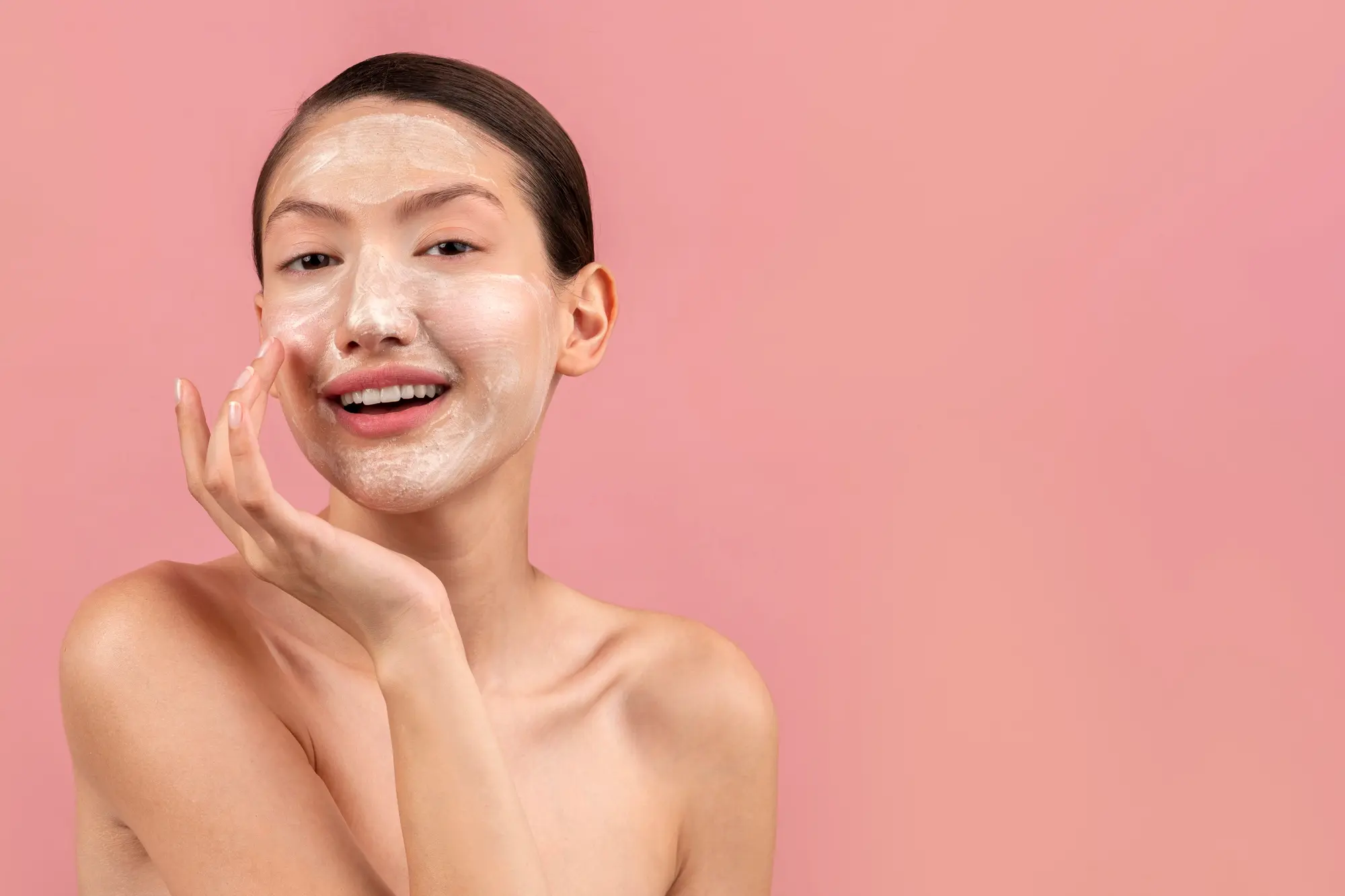
The skin naturally sheds dead surface cells through a process called desquamation. When this process is working efficiently, the skin surface appears smooth, reflects light evenly, and feels comfortable. When it slows (which happens naturally with age, in dry conditions, or due to certain skincare habits), dead cells accumulate on the surface. Accumulated dead cells create a layer that makes skin look dull and feel rough, reduces the effectiveness of other skincare products by creating a barrier between them and living skin cells, can block pores and contribute to congestion, and makes skin tone appear uneven.
Knowing how to exfoliate skin helps by removing this accumulated layer, allowing the skin surface to renew more efficiently and revealing the fresher cells beneath. (Learn more in our guides on Uneven Skin Texture and How to Get Rid of Dull Skin).
Chemical vs Physical Exfoliant Options
There are two main categories of exfoliants, and they work through very different mechanisms.
Physical Exfoliants
-
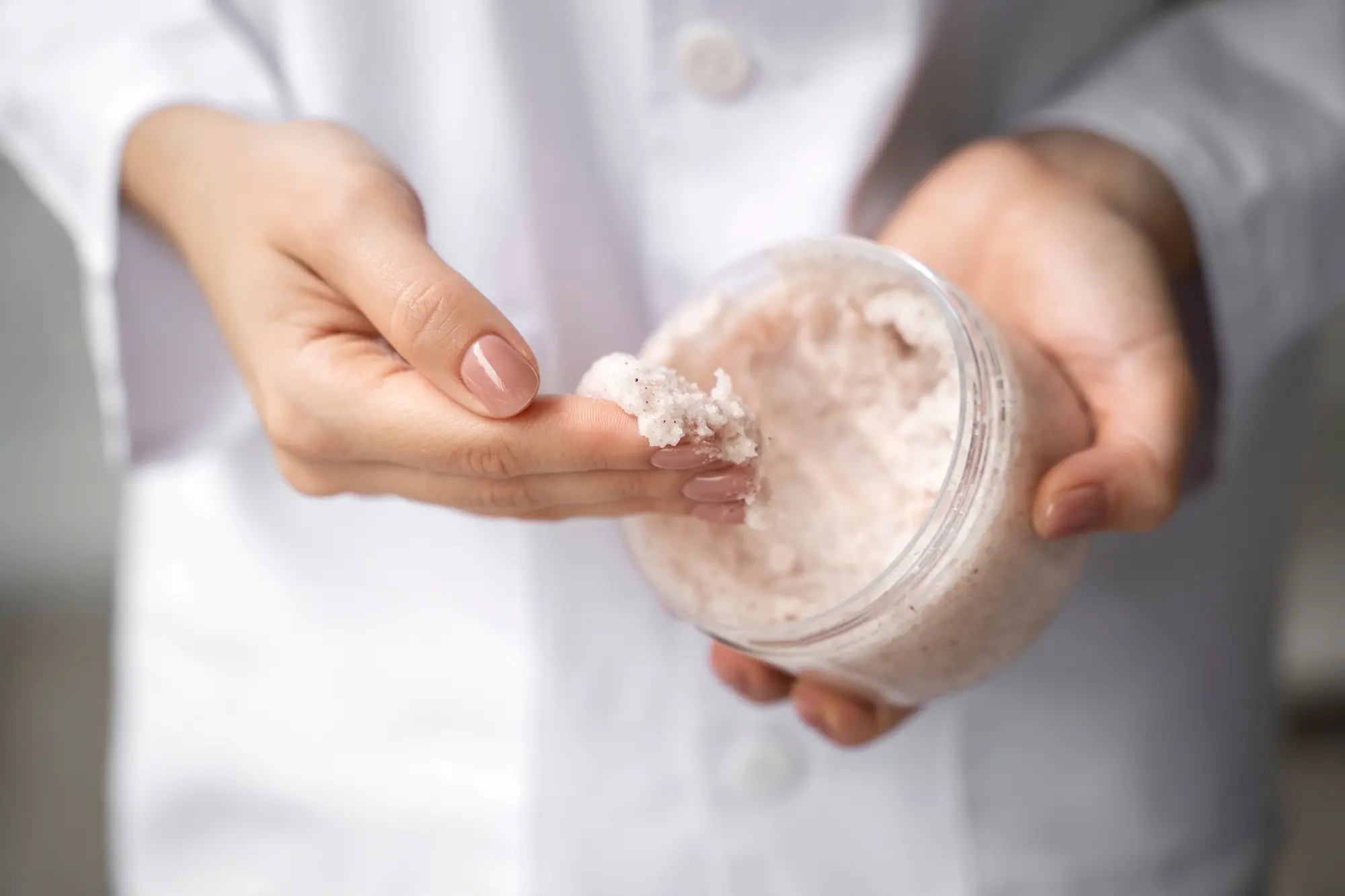
Physical exfoliants use abrasive particles or tools to manually remove dead skin cells from the surface.
-
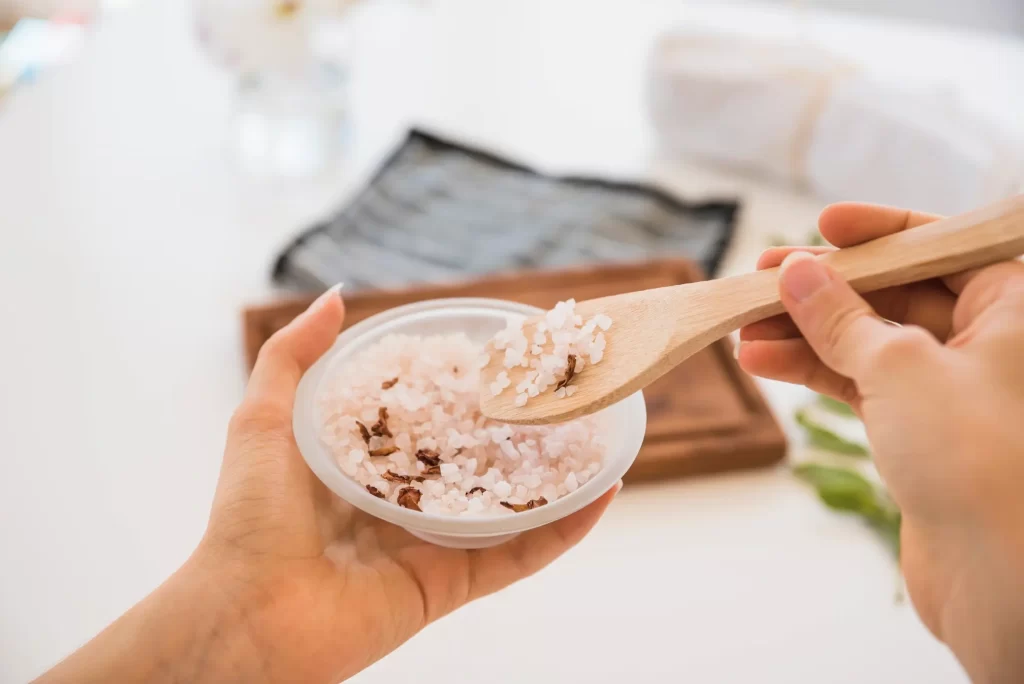
Examples include scrubs with sugar, salt, or walnut shell particles, cleansing brushes, and exfoliating cloths.
-
The main issue with many physical exfoliants is the consistency of abrasion.
-
Irregular or sharp particles can cause micro-tears in the skin surface, and the friction can be too aggressive for dry, sensitive, or compromised skin.
-
For these reasons, chemical exfoliants are generally preferred by dermatologists for facial skin.
Chemical Exfoliants
When considering how to exfoliate skin, chemical exfoliants dissolve the bonds that hold dead skin cells together, allowing them to shed naturally rather than being physically scraped away. This produces a more even, controlled exfoliation with less risk of mechanical damage. The main categories in an AHA BHA exfoliant routine are:
| Chemical Exfoliant | Characteristics |
| AHAs (alpha-hydroxy acids) |
AHAs are water-soluble acids that work on the skin surface. The most common are glycolic acid (smallest molecule, deepest penetration, most effective but also most irritating), lactic acid (larger molecule, gentler, also has some hydrating properties, good for dry and sensitive skin), and mandelic acid (largest of the common AHAs, slowest penetration, most gentle, good for sensitive or pigmentation-prone skin). AHAs are particularly good for improving skin texture, tone, and dullness, and for supporting the fading of hyperpigmentation. |
| BHAs (beta-hydroxy acids) |
The primary BHA is salicylic acid, which is oil-soluble and therefore able to penetrate into the pore lining. It is the most effective exfoliant for oily or congestion-prone skin, working from within the follicle to clear blockages. It also has some anti-inflammatory properties that can help with acne-prone skin. |
| PHAs (polyhydroxy acids) |
PHAs such as gluconolactone and lactobionic acid are the gentlest chemical exfoliants. Their larger molecular size means slower penetration and less risk of irritation. They are a good starting point for very sensitive skin or those new to chemical exfoliation, providing mild exfoliation with some additional hydrating effects. |
How Often to Exfoliate?
When learning how to exfoliate skin, knowing how often to exfoliate is crucial. Frequency depends on skin type and the specific exfoliant being used:
-
Sensitive or dry skin: once a week, starting with a gentle AHA (lactic acid) or PHA.
-
Normal skin: one to two times a week with an AHA or BHA.
-
Oily or congested skin: two to three times a week with a BHA, alternating with an AHA.
-
Mature skin: once or twice a week, focusing on gentle AHAs that also support the appearance of skin luminosity.
A common mistake in how to exfoliate skin is increasing exfoliation frequency when results are slow, rather than adjusting the specific product or concentration. More frequent exfoliation rarely produces faster results and often causes barrier damage that sets the routine back.
How to Exfoliate Correctly

To master how to exfoliate skin, adhere to these best practices:
-
Apply to clean, dry skin: Exfoliants work best applied directly to freshly cleansed skin. Residue from other products can dilute the exfoliant or interfere with its pH-dependent activity.
-
Start low, go slow: If new to chemical exfoliants, begin with the lowest effective concentration and use once a week for the first two weeks. Observe how the skin responds before increasing frequency. The goal is gentle, sustainable exfoliation, not an aggressive treatment.
-
Wait for absorption before applying other products: Allow the exfoliant to absorb for at least 20 to 30 seconds before applying the next step. For AHAs that need to maintain a low pH to be effective, apply before any higher-pH products.
-
Always follow with SPF: AHAs in particular increase the skin’s sensitivity to UV by removing the protective dead cell layer. Daily SPF is essential whenever you are using any chemical exfoliant in your routine.
Signs of Over-Exfoliation
A crucial part of how to exfoliate skin safely is monitoring your skin barrier. (See our guide on What Is Skin Barrier). Over-exfoliation is common and identifiable by these signs:
-
Skin feels unusually tight, raw, or stings after applying any product.
-
Redness that does not subside between exfoliation sessions.
-
Increased breakouts or flaking despite continued exfoliation.
-
Skin that previously tolerated products now reacts to them.
If these occur, stop all exfoliants immediately, return to a simple, gentle routine, and allow the barrier to recover for two to four weeks before reintroducing exfoliation at a lower frequency. (More on our guide on How to Fix Damaged Skin Barrier).
Frequently Asked Questions (FAQs)
What is the difference between chemical and physical exfoliants?
Physical exfoliants use abrasive particles or tools to manually remove dead skin cells from the surface through friction. While effective, they can cause micro-tears and inconsistent abrasion, particularly with irregular particles. Chemical exfoliants dissolve the bonds between dead skin cells, allowing them to shed naturally with more even, controlled results and less risk of mechanical damage. Dermatologists generally prefer chemical exfoliants for facial skin because they are more targeted, predictable, and suitable for sensitive skin types. For most people wondering how to exfoliate skin, replacing a physical scrub with a chemical exfoliant (starting with lactic acid or a PHA for sensitive skin) produces better results with less irritation. This highlights the core debate of a chemical vs physical exfoliant.
How often should you exfoliate your skin?
When asking how often to exfoliate, the right frequency for exfoliation depends on skin type and the exfoliant used. Sensitive or dry skin: once a week with a gentle lactic acid or PHA. Normal skin: one to two times a week with a mild AHA or BHA. Oily or congestion-prone skin: two to three times a week with a BHA, alternating with an AHA on different days. Mature skin: once or twice a week focusing on gentler AHAs. In any routine focusing on how to exfoliate skin, if skin shows any signs of over-exfoliation (redness, stinging, increased reactivity), reduce frequency immediately and allow the barrier to recover before reintroducing exfoliation.
What is the best exfoliant for sensitive skin?
When researching how to exfoliate skin, the best exfoliant for sensitive skin is a PHA (polyhydroxy acid such as gluconolactone or lactobionic acid) or a low-concentration lactic acid. Both are gentler than glycolic acid due to their larger molecular size and slower skin penetration, which reduces the risk of irritation. Mandelic acid is another gentle option with additional antioxidant properties. Start with once-weekly use at the lowest available concentration and observe the skin for two weeks before considering any increase in frequency. Fragrance-free formulations are essential for sensitive skin, as fragrance compounds can cause reactions when applied to recently exfoliated skin.