
What does toner do for skin? It is a question that surfaces in the minds of those who want to take the first step in skincare.
Toner is one of the most misunderstood steps in skincare. For years, it was associated with alcohol-heavy astringents that stung the skin and left it tight. Modern toners are a very different category, and understanding what a toner does for skin can help you decide whether adding one makes sense for your routine.
This guide covers how toners work, what benefits they offer, and how to choose and use one effectively.
What Does a Toner Actually Do?
A toner is a water-based product applied after cleansing and before serums or moisturisers. Its primary functions depend on the type of toner, but for most modern hydrating toners, the key roles are:
- Restoring the skin’s pH balance after cleansing
- Adding an initial layer of hydration to damp skin
- Preparing the skin to better absorb the products that follow
- Delivering lightweight active ingredients in an easily absorbed form
Some toners also include ingredients that address specific concerns like exfoliation, brightening, or oil control. The type of toner you choose should align with what your skin actually needs.
The pH Connection: Why It Matters More Than You Think
One of the most important things a toner does is help restore the skin’s natural pH after cleansing. The skin’s surface is naturally slightly acidic, with a pH of around 4.5 to 5.5. Many cleansers, especially soap-based ones, have a higher pH that temporarily disrupts this acidity.
A slightly elevated skin pH is not immediately catastrophic, but it can interfere with the skin barrier’s ability to function properly and make the skin more vulnerable to irritants and moisture loss. A well-formulated toner with a compatible pH helps bring the skin back to its natural range quickly, allowing the barrier to settle before you apply the rest of your routine.
Do You Need a Toner? Depends on Your Skin Concerns

Toner is not strictly essential for everyone, but for certain skin types and concerns, it adds real value.
Dry skin
For dry skin, a hydrating toner is arguably one of the most beneficial steps. It delivers hydration immediately post-cleansing, when the skin is most receptive to absorbing water, and primes the skin to get more out of the serum and moisturiser that follow.
Sensitive or reactive skin
A soothing toner with gentle ingredients like panthenol or rice ferment filtrate can help calm the skin after cleansing and create a more settled surface for the rest of the routine.
Oily or combination skin
Toners with balancing ingredients like niacinamide can help regulate oil production and minimise the appearance of pores. These are very different from the old-style astringent toners and should not over-strip the skin.
Normal skin
For normal skin, a toner adds an extra hydration and absorption-boosting step, but the impact is less dramatic. It is still worth including if you want to get the most from the rest of your routine.
Old Toners vs Modern Toners: What Changed?
The original purpose of toner in skincare was to remove any residue left by heavy soap-based cleansers. These older toners were often loaded with alcohol to cut through oil and product build-up. While effective at that specific task, they were also drying and potentially damaging to the skin barrier with regular use.
Modern toners have evolved significantly. They are now typically alcohol-free, pH-balanced, and formulated to nourish rather than strip. The main categories available today include:
- Hydrating toners with humectants like hyaluronic acid or glycerin
- Essence-type toners that combine the functions of toner and serum
- Exfoliating toners with AHAs, BHAs, or PHAs for texture and pore concerns
- Balancing toners for oil control and pore minimising
How to Use a Toner Correctly
Application technique affects how much you get from your toner. Here are the most effective methods:
With clean hands
Pour a small amount of toner into your palms, press your hands together briefly, and then press your palms gently against your face. This is the most hygienic method and wastes the least product. It also delivers the toner as a light, even layer without dragging the skin.
With a cotton pad
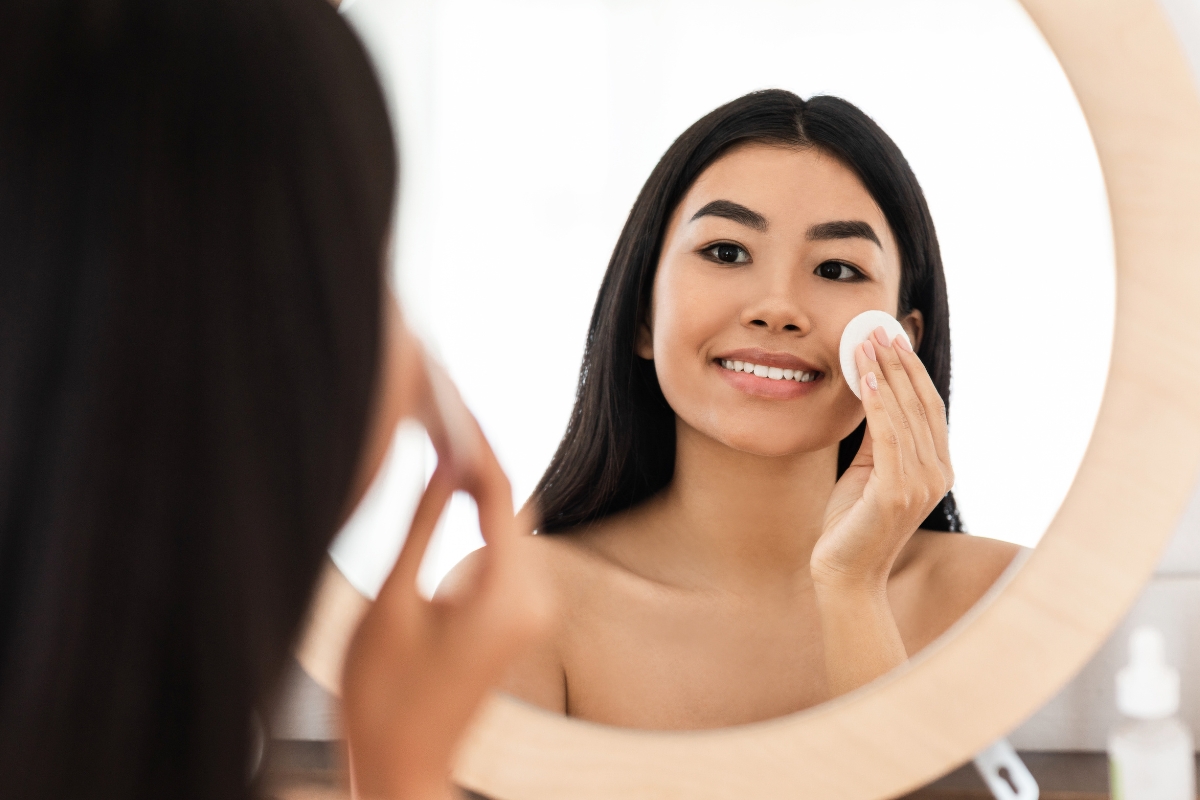
Some people prefer cotton pads for precision, particularly with exfoliating toners. However, cotton pads absorb a significant amount of product and can cause unnecessary friction. If you use a cotton pad, choose a soft, non-woven version.
Patting into the skin
Whether you use hands or a cotton pad, gently patting the toner into the skin rather than rubbing helps the skin absorb it more effectively and avoids unnecessary irritation.
The Atelo Approach to Toning
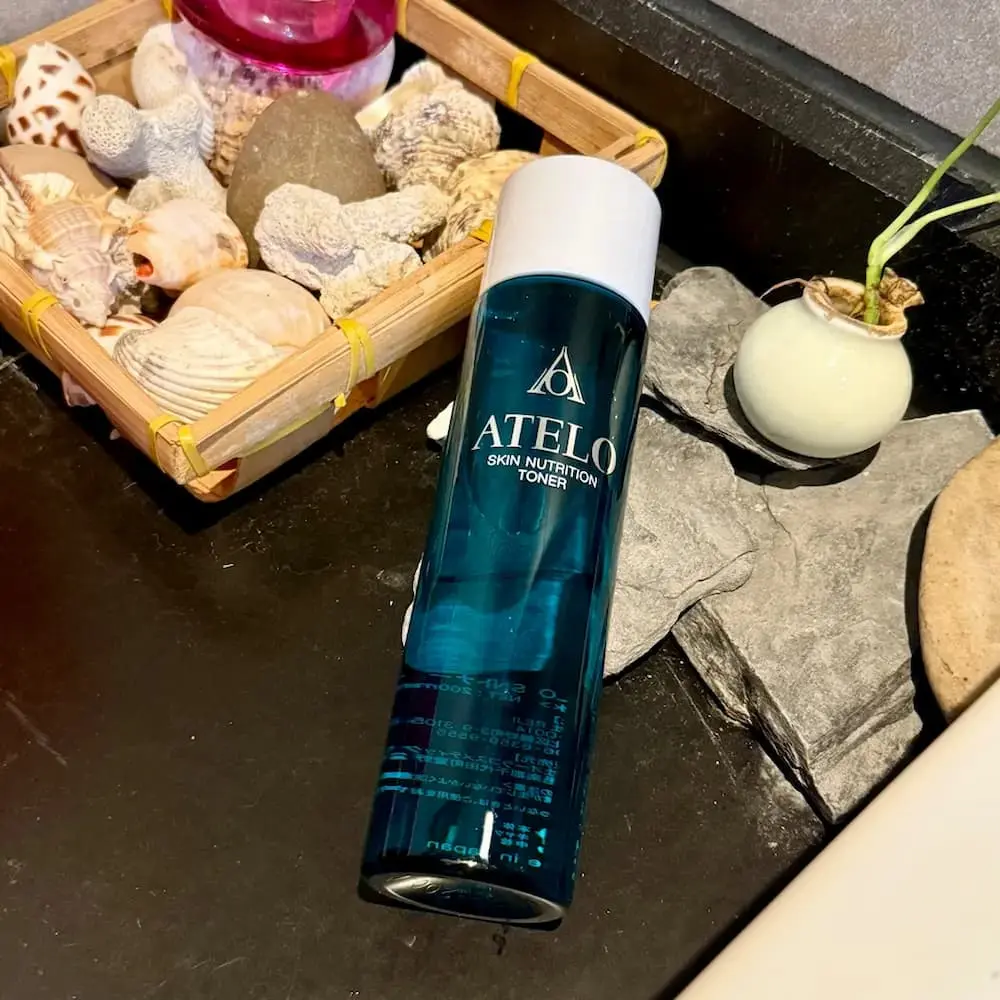
The Atelo Skin Nutrition Toner is designed to prepare and condition the skin after cleansing. It supports hydration and enhances the absorption of the steps that follow, fitting into the Atelo philosophy of layering skincare thoughtfully to support healthy skin over time.
For people building a routine that prioritises the skin barrier and sustained hydration, a well-formulated toner is a logical and effective step to include after cleansing and before heavier products.
How to Layer Toner in Your Full Routine
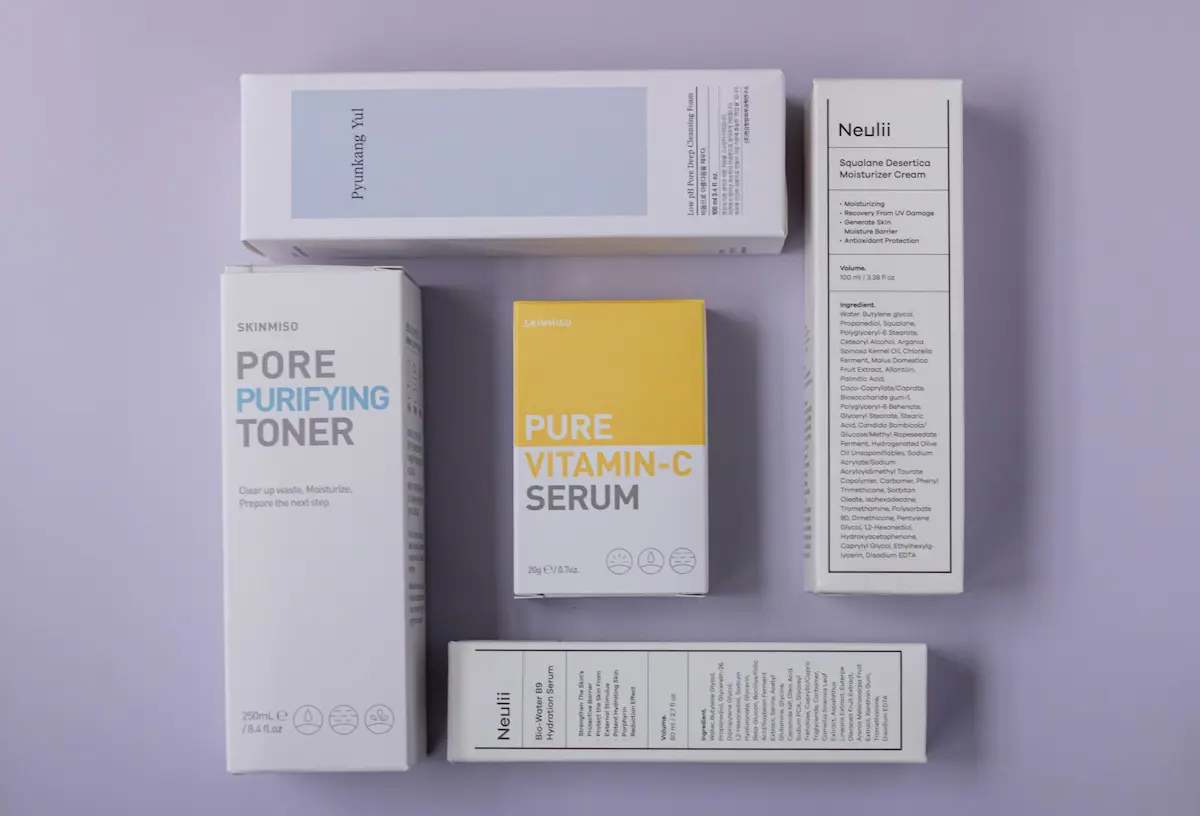
The correct order of application matters:
- Cleanse
- Apply toner on slightly damp skin
- Wait 20 to 30 seconds for absorption
- Apply serum or essence
- Apply moisturiser
- Finish with SPF in the morning
The toner should go on before any serum or treatment product so that the skin surface is hydrated and properly pH-balanced before you layer anything else.
Common Mistakes When Using Toner
Even with a good product, a few common mistakes reduce the benefits:
Using too much product
A small amount of toner is sufficient. Using excessive amounts does not improve results and wastes product.
Applying to fully dry skin
Toner absorbs best when the skin is still slightly damp from cleansing. Apply it within about 60 seconds of washing your face.
Using a toner with alcohol on dry or sensitive skin
Check the ingredient list for SD alcohol, denatured alcohol, or alcohol denat near the top of the formula. These are drying and should be avoided if your skin is dry or reactive.
What Toner Does for Skin: A Summary
When chosen correctly and applied consistently, a toner adds meaningful value to a skincare routine. It restores pH balance, adds an important first layer of hydration, and helps everything that follows absorb more effectively. For dry or sensitive skin in particular, a hydrating toner can make a noticeable difference in overall skin comfort and the performance of the rest of the routine.
If you have been skipping toner because it seemed optional, it may be worth adding one and seeing how your skin responds over a few weeks.
Frequently Asked Questions (FAQs)
What does toner do for your skin?
A toner is a water-based product applied after cleansing that serves four key functions: it restores the skin’s natural pH balance disrupted by cleansing, delivers an immediate first layer of hydration, prepares the skin to absorb serums and moisturisers more effectively, and introduces lightweight active ingredients in an easily absorbed form. Modern hydrating toners are alcohol-free and nourishing; a significant evolution from the harsh, stripping astringents that defined the category in earlier decades.
What are the benefits of using a hydrating toner?
The key hydrating toner benefits include replenishing moisture immediately after cleansing when skin is most receptive, restoring the skin’s natural pH to support barrier function, and improving the absorption and performance of serums and moisturisers applied afterwards. For dry and sensitive skin types in particular, a hydrating toner adds a foundational layer of hydration that makes the entire routine work harder. Ingredients like hyaluronic acid, glycerin, and panthenol are the most effective to look for in a hydrating formula.
Should you use a toner after cleanser, and does the order matter?
Yes. Toner after cleanser is the correct placement, and the order matters significantly. Cleansing temporarily raises the skin’s pH and removes surface moisture, leaving it less receptive to subsequent products. Applying toner within 60 seconds of cleansing, while the skin is still slightly damp, restores pH balance and adds hydration before it fully evaporates. From there, the correct layering order is: toner, serum, moisturiser, then SPF in the morning. Applying toner to fully dry skin reduces both its absorption and its effectiveness.
What is the best toner for dry skin?
The best toner for dry skin is one that is alcohol-free, pH-balanced, and formulated with humectant ingredients like hyaluronic acid, glycerin, or sodium PCA to attract and hold moisture. Avoid toners containing SD alcohol, denatured alcohol, or alcohol denat near the top of the ingredient list, as these are drying and counterproductive. Soothing additions like panthenol or rice ferment filtrate provide extra benefit for dry skin that also tends toward sensitivity. Apply with clean hands rather than a cotton pad to reduce friction and maximise product delivery.
Is a toner necessary, or can you skip it in your skincare routine?
Toner is not strictly essential for every skin type, but this skincare toner guide makes one thing clear: for dry, sensitive, or barrier-compromised skin, skipping it means missing a genuinely valuable step. For dry skin, a hydrating toner delivers hydration at the moment the skin is most receptive (right after cleansing) and significantly improves how well the moisturiser performs afterwards. For normal or oily skin, the impact is less dramatic but still beneficial. If you choose to skip toner, ensure your serum and moisturiser are doing double the hydration work to compensate.