
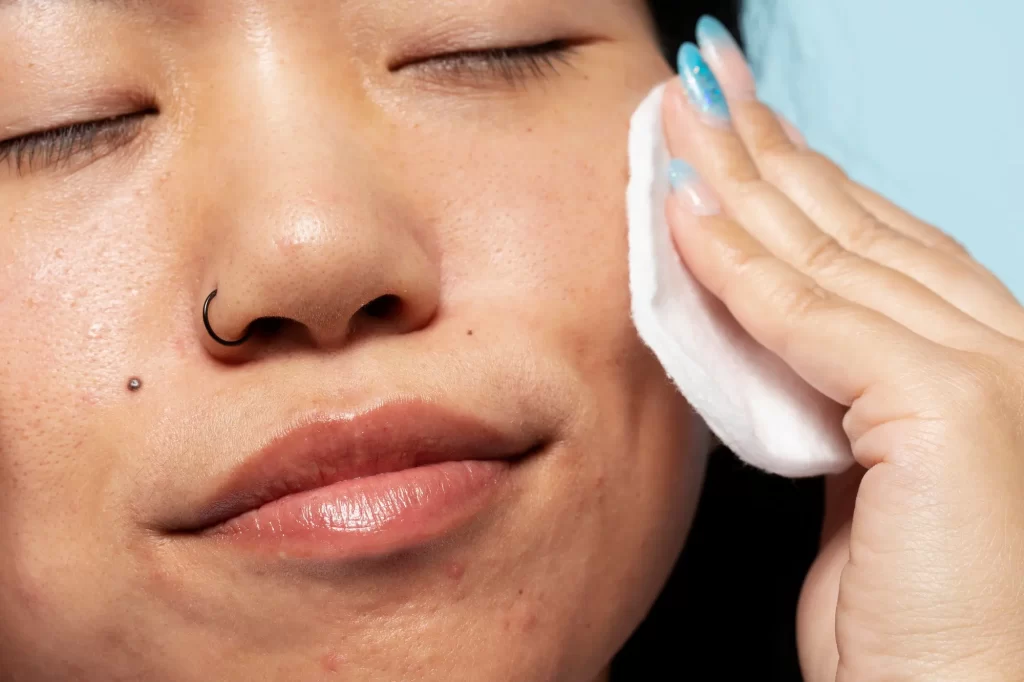
Clogged pores are one of the most common skincare concerns, affecting people across skin types, ages, and climates. In Singapore specifically, the combination of heat, high sebum production, SPF use, and air conditioning creates conditions where pore congestion is particularly prevalent. Understanding what causes clogged pores, and how different treatment approaches work, allows you to build a targeted routine rather than guessing.
If you want to learn how to clear clogged pores, this guide breaks down the science and solutions.
What Are Pores and Why Do They Clog?
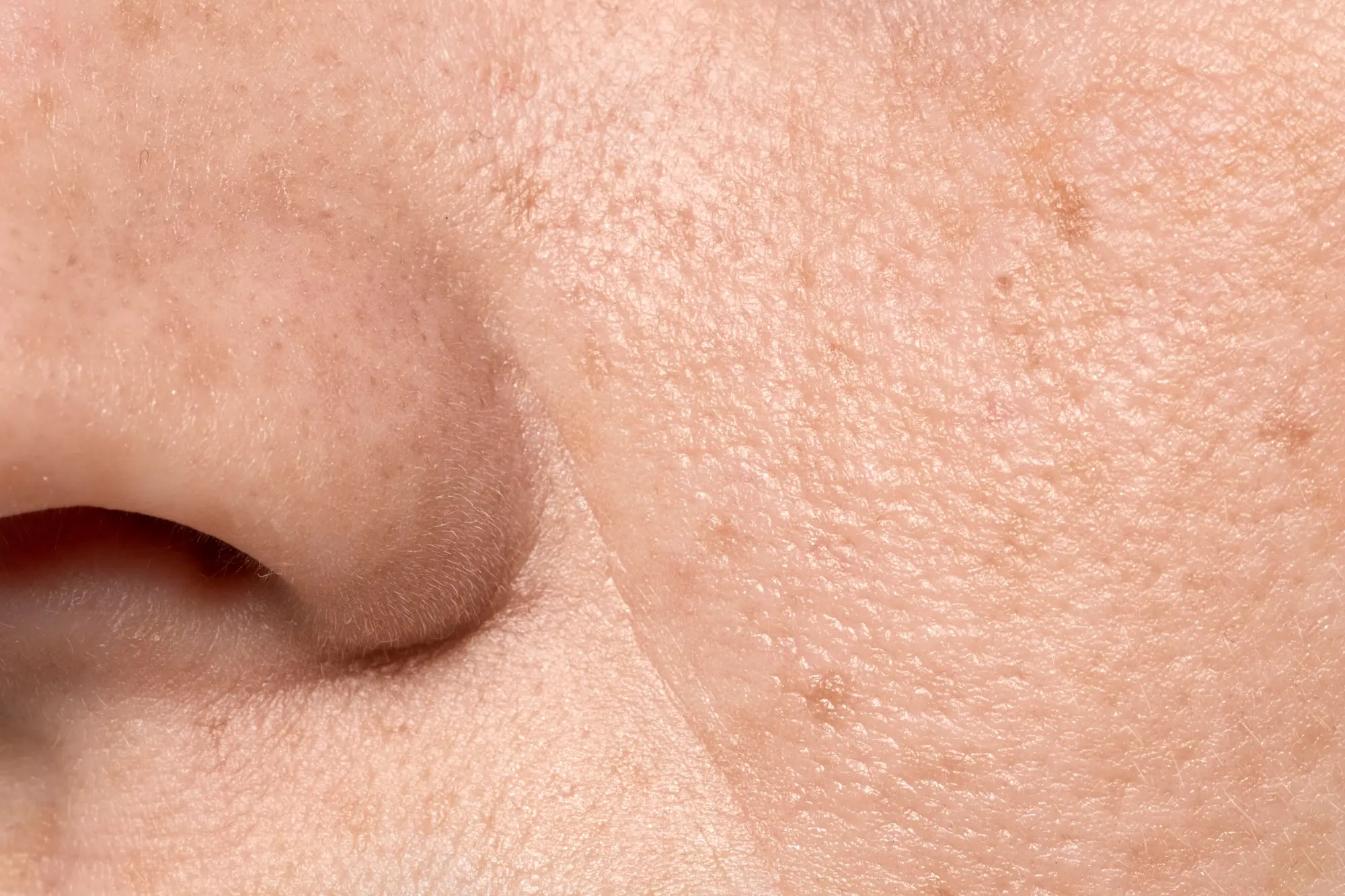
Pores are the openings of follicles on the skin surface. Each follicle contains a hair and a sebaceous (oil) gland. Pores allow sebum to travel from the gland to the skin surface, where it forms part of the protective film that maintains skin hydration and defence. Before mastering how to clear clogged pores, it helps to know that pores become clogged when a combination of sebum, dead skin cells, and external debris accumulates inside the follicle and creates a plug.
The nature of this plug determines what type of clogged pore it becomes:
-
Blackheads (open comedones): The plug is exposed to air, causing oxidation that turns its surface black or dark.
-
Whiteheads (closed comedones): The plug is covered by a thin layer of skin, keeping it white or flesh-coloured. (Dealing with blackheads whiteheads Singapore heat triggers is a very common local concern).
-
Congestion: A general term for a collection of clogged pores that creates a bumpy texture under or on the skin surface without becoming inflamed breakouts. (Learn more in our guide on Uneven Skin Texture here).
Common Causes of Clogged Pores
Understanding the triggers is the first step in learning how to clear clogged pores:
-
Excess sebum production: Oily skin types naturally produce more sebum, which increases the likelihood of follicles becoming blocked. Heat increases sebum production, which is why pore congestion tends to be more pronounced in Singapore’s outdoor climate.
-
Slow skin cell turnover: When dead skin cells shed too slowly, they accumulate in the follicle opening rather than clearing naturally. This is accelerated by ageing, by dehydrated skin that causes cells to stick together, and by certain skincare habits that do not support adequate exfoliation.
-
Comedogenic skincare and makeup products: Some ingredients in skincare and makeup products can block follicle openings and contribute to congestion. Heavy oils, waxes, and certain occlusive ingredients may cause issues for pore-congested or oily skin types. The term “comedogenic” is used for ingredients with a higher likelihood of causing this.
-
Incomplete cleansing: SPF, makeup, and pollution left on the skin surface can mix with sebum and settle into follicle openings. In Singapore’s outdoor conditions where sun protection is essential, thorough evening cleansing is particularly important for preventing the accumulation that leads to congestion.
-
Touching the face: Hands transfer oils and bacteria to the skin surface throughout the day. Frequent touching of the face introduces additional material that can contribute to follicle blockage, particularly in already oily or congestion-prone areas.
How to Clear Clogged Pores: Effective Approaches
If you are looking for highly effective pore-clearing skincare, here are the best strategies:
BHA Exfoliation (Salicylic Acid)
Knowing how to clear clogged pores almost always involves a beta-hydroxy acid. BHA (beta-hydroxy acid, primarily salicylic acid) is oil-soluble, which means it can penetrate into the pore lining rather than working only on the skin surface. This makes it the most targeted ingredient available for pore clearing. Salicylic acid dissolves the sebum-and-dead-cell plug from within the pore, gradually clearing congestion with regular use.
Use a BHA exfoliant one to three times a week, depending on your skin’s tolerance. Look for formulations at two percent salicylic acid for effective pore treatment. (For a deeper dive, read our guide on How to Exfoliate Skin).
Regular, Thorough Cleansing
Consistent twice-daily cleansing with a pH-balanced, non-comedogenic cleanser removes the surface excess that would otherwise settle into pores. In the evening, double cleansing ensures SPF and makeup are fully removed before the skin rests overnight. This is foundational to how to clear clogged pores. (See our Double Cleansing guide here).
AHA Exfoliation for Surface Clearance
AHAs (lactic acid, glycolic acid) work on the skin surface to loosen the connections between dead skin cells and accelerate their shedding. While they do not penetrate into the pore lining like BHAs, they prevent the surface dead cell accumulation that contributes to pore blocking. Use one to two times a week, on different days to BHA for most skin types.
Niacinamide for Sebum Regulation
Regular use of niacinamide helps regulate sebum production over time, reducing the baseline oiliness that feeds pore congestion. It also has evidence for minimising the visible appearance of pore size, which while not the same as clearing congestion, contributes to the overall appearance of clearer skin.
Clay Masks for Weekly Pore Management
Clay masks draw excess sebum and impurities from the pore openings, providing a visible short-term clearing effect. Used once a week on the most congested areas (typically the T-zone), they support the pore-clearing work of the exfoliants in the daily routine.
What Does Not Work for Clogged Pores
When figuring out how to clear clogged pores, it is equally vital to know what not to do:
-
Physical extraction (squeezing): Can cause inflammation, scarring, and introduce bacteria that worsen congestion.
-
Pore strips: Provide a momentary visual clearing, but do not address the underlying sebum and dead cell accumulation that causes congestion.
-
Over-cleansing: Strips the skin barrier and triggers rebound sebum production that worsens congestion.
-
Skipping moisturiser: Dehydrated skin produces more oil, and the cells shed less effectively, compounding the congestion cycle.
Preventing Clogged Pores from Returning
Once congestion has been cleared, preventing it from returning requires consistent habits. Mastering how to clear clogged pores long-term means committing to a solid routine:
-
Regular gentle exfoliation maintains clear follicle openings.
-
Thorough evening cleansing removes daily accumulation before it settles.
-
Non-comedogenic product choices reduce the risk of topical contributors.
-
Lightweight, gel-based moisturisers for oily and congested skin types. (Check out our Skincare Routine for Oily Skin guide here).
-
Consistent SPF use (which requires thorough removal) rather than skipping it to avoid congestion.
Incorporating quality clogged pores skincare prevents future breakouts.
Frequently Asked Questions (FAQs)
What causes clogged pores and how do you clear them?
Clogged pores form when sebum, dead skin cells, and external residue accumulate in follicle openings and create a plug. Main causes include excess sebum production (increased by heat and certain skin types), slow skin cell turnover, comedogenic ingredients in skincare or makeup, incomplete removal of SPF and makeup, and frequent face-touching that transfers oils and bacteria to the skin surface. For those wondering how to clear clogged pores, use a BHA exfoliant (salicylic acid) one to three times weekly to dissolve the plug from within the pore lining, cleanse thoroughly twice daily with a pH-balanced formula, and use a clay mask weekly on the most congested areas.
What is the best skincare routine for clogged pores?
The most effective how to clear clogged pores regimen combines five targeted practices: double cleansing in the evening to fully remove SPF and surface residue that settles into pores overnight; a BHA exfoliant (salicylic acid two percent) used one to three times weekly to dissolve pore plugs from within the follicle; AHA exfoliation once or twice a week on alternate days to prevent surface dead cell accumulation; daily niacinamide serum to regulate sebum production and reduce pore appearance over time; and a weekly clay mask on the T-zone for a targeted clearing boost. Moisturising consistently with a lightweight, non-comedogenic formula prevents the dehydration-driven sebum overproduction that worsens congestion.
Does BHA help with clogged pores and blackheads?
Yes — using BHA for clogged pores (salicylic acid) is the most targeted over-the-counter ingredient for clogged pores and blackheads. Unlike AHAs, which work on the skin surface, salicylic acid is oil-soluble and can penetrate into the pore lining itself. Once inside, it dissolves the sebum-and-dead-cell plug that creates blackheads and congestion. Regular use one to three times a week at a two percent concentration gradually clears existing congestion and helps prevent new blockages from forming. It works most effectively when combined with thorough cleansing to ensure the skin surface is clean before exfoliation, allowing the BHA to reach the pore lining unobstructed. This is the ultimate method for how to clear clogged pores.